
How to Eat More Fiber – and Why You Should
A gastroenterologist explains how eating more fiber can improve your overall health, the two types of fiber you should incorporate into your diet and the easiest ways to do it.
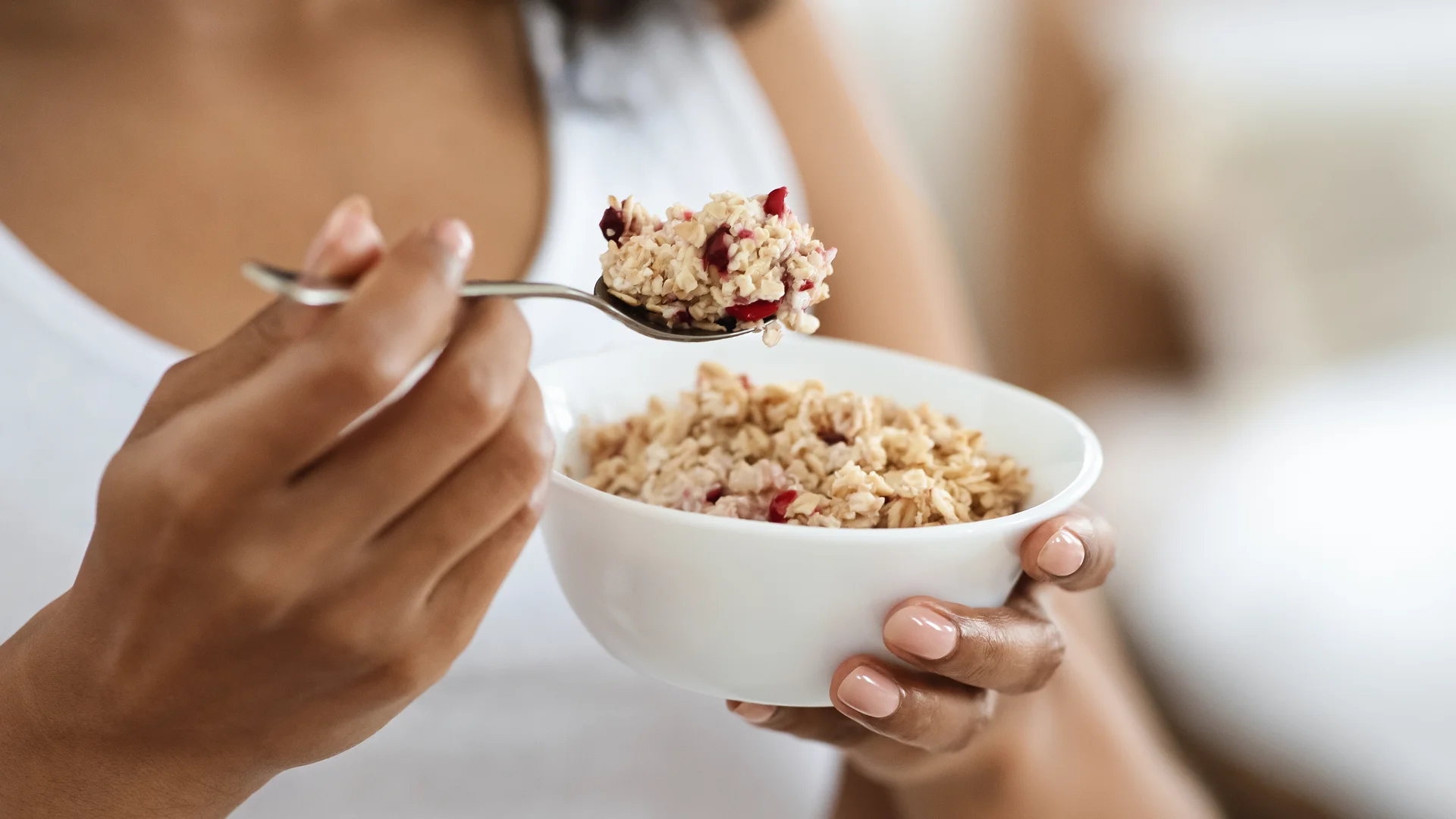
Most people know that fiber is good for them. It can help balance bacteria in the gut and even potentially lower the risk of colorectal cancer. But it takes more than an apple a day to reap all these benefits.
Studies have shown that about 95% of Americans are not getting the fiber that is recommended by the U.S. Food and Drug Administration, says Dr. Carolyn Newberry, a gastroenterologist and physician nutrition specialist at NewYork-Presbyterian/Weill Cornell Medical Center. While the FDA has recommended people aim for 28 grams of fiber a day (based on a 2,000-calorie diet), the ideal intake can vary based on a person’s individual health conditions. “You have to make sure you’re making good food choices that have the amount of fiber that your body needs,” says Dr. Newberry.
Health Matters spoke with Dr. Newberry, who is also an assistant professor of medicine at Weill Cornell Medicine, to learn why consuming fiber is such a critical part of a healthy diet, the best types to eat and how to eat them.
Explore Digestive Health Services at NewYork-Presbyterian

Dr. Carolyn Newberry
What are the health benefits of eating more fiber?
“Fiber helps the digestive track flow,” says Dr. Newberry. The more fiber one consumes, the lower the likelihood of constipation. “Fiber helps bulk stool so that it’s easier to pass and it improves transit time,” she says. The easier it is for stool to move through your colon, the faster your body will be able to expel it.
Fiber also makes you feel fuller, longer. “It helps you feel satisfied, so it can also support appetite regulation,” says Dr. Newberry. “For people looking to improve portion control and maintain a healthy weight, fiber is a great tool.”
And not only does fiber help with maintaining a personalized healthy weight, which can reduce your risk of developing diabetes and heart disease, but fiber also helps stabilize blood sugar levels, Dr. Newberry says. “Excessive intake of simple sugars is going to raise insulin and blood sugar levels and increase your risk of diabetes. Whereas starchy and fibrous foods are going to keep insulin levels regular and keep blood sugar levels where they’re supposed to be.”
How does fiber impact gut health?
Fiber is food for bacteria in the gut, Dr. Newberry says. “Probiotics are the bacteria that confer health benefits in our digestive tracts; prebiotics — the fibers — [are what] the probiotics eat. So the more fiber you get in your diet, the more you’re going to promote a healthy gut microbiome.”
The balance and health of the gut microbiome can impact the rest of your body, says Dr. Newberry. “It’s been implicated in things like cancer risk, cardiovascular health, and even mood.”
What are the links between fiber and colorectal cancer?
An increase in fiber intake has been linked to a decreased risk of colorectal cancer. You can think of stool, Dr. Newberry says, as toxic byproducts of things that you eat. “The less time stool comes into contact with the wall of the digestive tract and colon, the less a person may be at risk of developing things like inflammation, or cellular changes that could potentially lead to things like colon cancer down the road,” she says.
Are there different kinds of fiber?
There are two main types of fiber: soluble and insoluble.
Soluble fibers dissolve in water. Plain oatmeal is a good example of soluble fiber. “If you were to put it into a bucket of water, it’s going to absorb that water and form the shape of whatever container it’s in,” Dr. Newberry says. It’s broken down in the body into short-chain fatty acids, which are important to the health of certain cells that line the digestive tract, Dr. Newberry says.
Insoluble fiber, on the other hand, bulks up the stool. It improves colonic transit time, reducing the time that toxic byproducts from foods and the metabolic processes of digestion are in contact with the colon wall, Dr. Newberry says.
An example of insoluble fiber is roughage – think raw leafy greens or a piece of celery that you could throw into a water bucket and see it retain its shape. Both kinds of fiber are very important in digestive health and the prevention of colon cancer, Dr. Newberry says.
How much fiber do you actually need?
“In general, we recommend at least 25 to 35 grams of fiber per day for the average American,” Dr. Newberry says. “That range gives you some leeway. Somebody who’s eating fewer calories per day is going to have a slightly lower fiber need than someone who needs more calories. And that’s going to be dependent on, among other things, your body size, your sex, and your activity level.”
Try incorporating fiber along with other important macronutrients like protein into every meal, so you're eating a balanced diet throughout the day. There are many apps you can download to figure out the fiber content of different foods. “They have a lot of foods chronicled and you can easily put in portion sizes. They’ll total the amount of fiber that you’re eating [based on] whatever you’re putting in,” says Dr. Newberry.
What’s the best way to incorporate fiber into your diet?
First, consider some easy food swaps: Think about dishes you or your family cook frequently — pasta, for example — then think about an ingredient you can sub out for a more fiber-rich substitute. “You can switch from a white or wheat pasta to one that’s made of lentils or chickpeas, something that has much more fiber per ounce versus regular pasta,” says Dr. Newberry. “Or rather than doing a regular lasagna with noodles, you can do a lasagna using eggplant.”
Also think about grinding up a high-fiber food and using it as a topping or ingredient in a recipe. “I tell people to add chia seeds or flax seeds to their morning cereal or smoothie, because that’s going to add a lot of extra fiber,” she says.


Can you eat too much fiber?
In general, you really can’t get too much fiber into your diet. “By definition, fiber is basically this indigestible compound. Your body breaks down a little bit of it, but most of it goes out in waste product,” says Dr. Newberry.
Can you take a fiber supplement if you’re not eating enough fiber?
If you’re wondering whether a supplemental pill might give you the same health benefits as a daily bowl of oatmeal sprinkled with chopped apples, the answer is no. “Fiber supplements certainly have their role,” says Dr. Newberry. “If somebody has constipation and we want to increase the amount of fiber they’re getting to help them go to the bathroom more regularly, a fiber supplement is a great option. But in terms of health benefits — like an improved gut flora, reduced risk of cancers, feeling full for longer — data is pretty weak [to support] that fiber supplements have the same benefits as fiber from food.”
How to Eat More Fiber Without Bloating
Super-fibrous foods can prompt gas, bloating, and discomfort in some people. But that doesn’t mean you can’t up your intake; it just means you have to be savvy about how you do it. These tips from Dr. Newberry can help.
- Talk to your doctor about preexisting conditions. “People who have slow digestive tracts, which may be part of a condition called gastroparesis, can try eating smaller quantities of fiber at a time,” says Dr. Newberry. “If you’re underweight and trying to gain weight, you may also want to avoid eating a big dose of fiber in one sitting, because it might prevent you from eating enough.”
- Start incorporating fiber gradually, suggests Dr. Newberry. “It’s probably better to do a slow ramp-up, particularly if you’re not a big fiber eater to begin with, so that your body gets used to tolerating the fiber.”
- Find the fiber that’s right for you. “If you’re somebody who’s sensitive to fiber and gets gassy and bloats when you eat it, you may want to stick to more soluble fibers,” Dr. Newberry suggests. A big, raw leafy green salad with raw veggies, for example, may cause more bloating to a sensitive system; a green smoothie or soup may be a more tolerable choice. “You can also sauté vegetables with a little olive oil to sort of break down some of the bonds and make them easier to digest,” says Dr. Newberry.

The health and wellness newsletter you can trust
Featured Experts