



Processed Food vs. Ultraprocessed Food: Here’s How to Tell the Difference
Not all processed foods are the same, according to an integrative medicine physician. Here’s why.
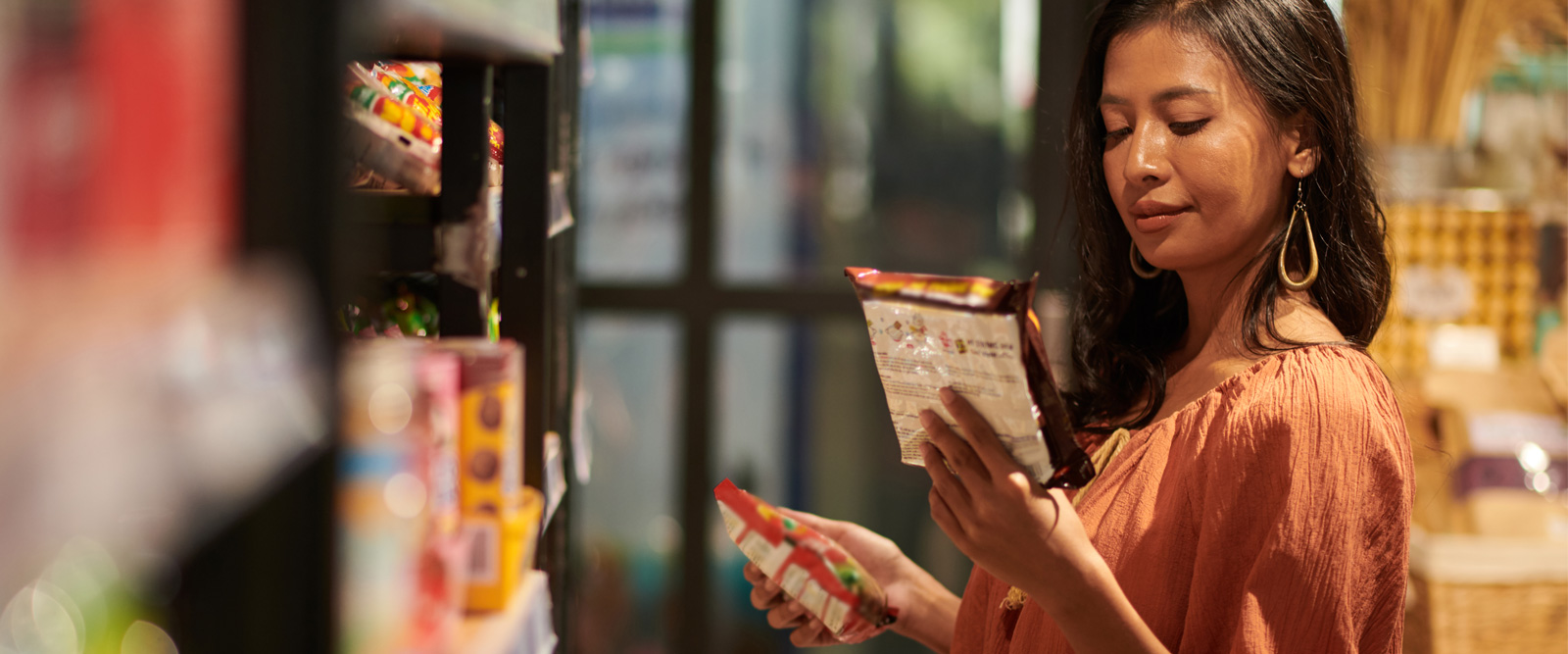
From yogurt cups to granola bars to frozen vegetables, many staples on a typical grocery list fall into the category of processed foods.
But not all processed foods are created equally. While minimally processed foods can be part of a healthy diet, a recent review found associations between high ultraprocessed food intake and 32 adverse health outcomes, including cardiovascular disease, metabolic disease, anxiety, and cancer.
These health risks have led to a national conversation about processed foods and consumer safety, with local lawmakers and the Food and Drug Administration working to eliminate synthetic additives from foods.
“A dietary pattern that emphasizes ultraprocessed food can be of concern both in the short and long term,” says Dr. Chiti Parikh, an integrative medicine practitioner, and the Executive Director of Integrative Health and Wellbeing at NewYork-Presbyterian and Weill Cornell Medicine. “But not all processing is harmful. Nutrition does not need to be all-or-nothing. The goal is progress toward a more whole-food-based dietary pattern overall that is sustainable.”
Health Matters spoke with Dr. Parikh to learn more about how to recognize ultraprocessed foods, the possible effects they can have on your overall health, and tips on how to shop and cook with more healthful ingredients.
Explore Integrative Health Services at NewYork-Presbyterian
What are processed foods?
Dr. Parikh: Processed food refers to foods that have been altered from their natural state — whether through washing, freezing, cooking, milling, pasteurizing, packaging, or adding ingredients for preservation or flavor.
The NOVA food classification system, which researchers in Brazil developed in 2009, divides foods into four groups ranging from minimally processed foods to ultraprocessed foods.
Are processed foods bad for you?
Dr. Parikh: Not all processed foods are bad for you. Processing can improve food safety, convenience, affordability, and shelf life while preserving nutrition.
It’s really a spectrum or continuum. For example, plain corn on the cob is minimally processed. If the corn is frozen or canned, that’s still considered relatively minimal processing and can be part of a healthy diet. Corn chips would be more processed, while flavored cheese-coated corn snacks with artificial additives and preservatives would fall into the ultraprocessed category, along with high fructose corn syrup that is extracted from the corn.
The bigger concern is ultraprocessed foods, which are industrially manufactured products that often contain additives, emulsifiers, preservatives, artificial colors or flavors, refined sugars, and combinations of fat, salt, and carbohydrates designed to maximize palatability and encourage overconsumption.
What has recent research shown about how ultraprocessed foods may impact our health?
Dr. Parikh: A growing body of research consistently links high intake of ultraprocessed foods with obesity, cardiovascular disease, type 2 diabetes, cancer, depression, cognitive decline, and increased mortality. One landmark NIH-controlled feeding study found that participants consuming ultraprocessed diets ate about 500 more calories per day and gained weight compared to those eating minimally processed diets — even when calories, sugar, fat, fiber, and macronutrients were matched between diets.
Researchers believe these foods may contribute to disease because they are engineered to be hyper-palatable, energy-dense, rapidly absorbed, and low in fiber and micronutrients. They may also negatively affect satiety signaling, blood sugar regulation, the gut microbiome, and inflammatory pathways.
One striking statistic is that ultraprocessed foods account for nearly 60% of calorie intake in U.S. adults and nearly 70% in children. This makes the issue not just an individual dietary concern, but a major public health issue.
At the same time, we have strong evidence supporting dietary patterns centered around whole or minimally processed foods — such as the Mediterranean diet, Blue Zones dietary patterns, plant-forward diets, and anti-inflammatory diets — which are consistently associated with better metabolic health, longevity, and lower rates of chronic disease.
It’s really a spectrum or continuum. Not all processed foods are bad for you. Processing can improve food safety, convenience, affordability, and shelf life while preserving nutrition.
What are examples of minimally processed foods?
Dr. Parikh: Some examples of minimally processed foods include:
- frozen vegetables
- plain yogurt
- oats
- canned beans
- roasted nuts
What are examples of ultraprocessed foods?
Dr. Parikh: Ultraprocessed foods are typically made using industrial processes such as hydrogenation, extrusion, molding, and pre-frying, and often contain ingredients that are not commonly used in home cooking.
One of the challenges is that ultraprocessed foods can sometimes appear healthy because they are marketed as “natural,” “plant-based,” “high-protein,” or “low-fat.” But the ingredient list often tells a different story.
Examples of ultraprocessed foods include:
- soda
- packaged snack foods
- instant noodles
- processed meats
- frozen dinners
- packaged baked goods
Why Potassium Bromate is Raising Concerns
Recently, New York lawmakers approved legislation that could ban potassium bromate – a chemical additive found in foods like bagels and pizza – among other ingredients in food products, such as propylparaben and red dye no. 3
Where it’s found: “Potassium bromate is commonly used as a dough-strengthening agent in certain breads, bagels, pizza doughs, pastries, crackers, and commercial baked goods,” says Dr. Parikh. “Brominated vegetable oil has historically been used in citrus-flavored sodas and sports drinks. Propylparaben and certain artificial dyes are used to improve shelf life, texture, or appearance in processed foods and beverages.”
What to know: “Potassium bromate has been banned or restricted in several countries due to concerns raised in animal studies suggesting possible carcinogenic effects and oxidative damage,” Dr. Parikh says. “While regulatory agencies in the U.S. currently permit limited use under specific manufacturing conditions, growing scrutiny around these additives reflects increasing public interest in food transparency and long-term health impacts.
Importantly, the broader concern is not just one ingredient in isolation, but cumulative exposure to additives and heavy reliance on ultra-processed foods overall.
This is an evolving area of research, but many experts view these legislative efforts as part of a broader movement toward improving food quality, transparency, and public health.”
How can you tell if food is ultraprocessed?
Dr. Parikh: One of the simplest things consumers can do is read ingredient labels. A long ingredient list with multiple additives, preservatives, artificial flavors, colors, emulsifiers, or ingredients you wouldn’t normally use in home cooking can be a clue that a food is ultraprocessed.
Another helpful strategy is focusing less on the marketing claims on the front of the package and more on the actual ingredient list. Labels like “healthy,” “vegan,” “natural,” or “high-protein” do not necessarily mean the food is minimally processed.
Are there healthy swaps for processed foods?
Dr. Parikh: There’s a perception that eating healthier is always more expensive, but with some planning it can be very affordable.
A good, practical goal is not perfection, but increasing the proportion of whole and minimally processed foods in your daily routine with things like:
- fresh or frozen vegetables
- fresh or frozen fruits
- canned beans or lentils
- oats
- nuts
- seeds
- whole grains
- eggs
- fish
Convenience is one reason ultra-processed foods became so dominant, so it’s important to build simple systems for meal prep and healthier convenience options. Even small shifts — like replacing sugary snacks with nuts and fruit, or swapping soda for sparkling water — can make a meaningful difference over time.

The health and wellness newsletter you can trust
Featured Experts
