



What Are Plant-Based Proteins, and Should You Eat More of Them?
New dietary guidelines for heart health recommend a shift from meat to plant-based protein. A clinical dietician explains the benefits of plant protein and how to add it to your diet.
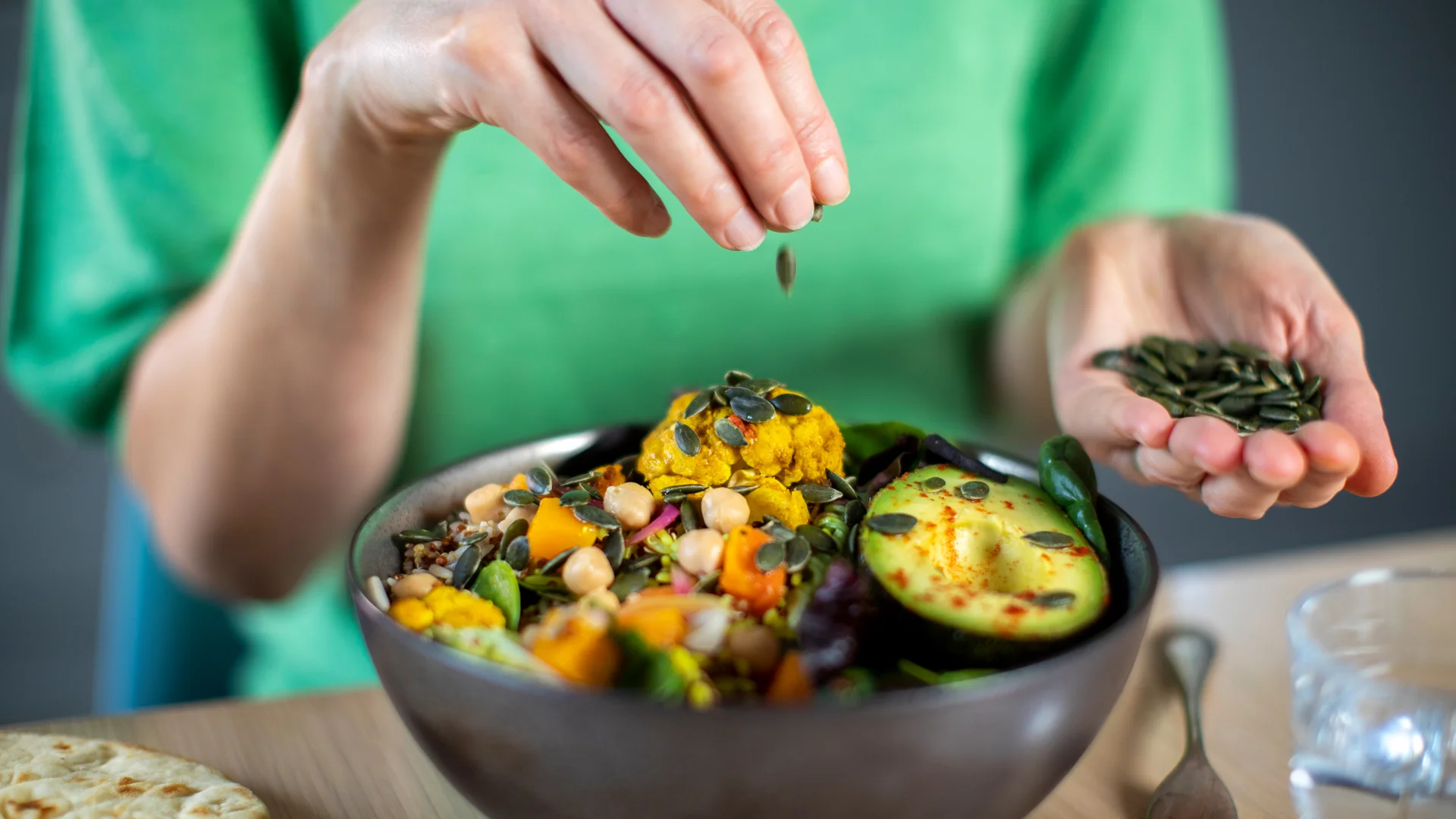
The American Heart Association has updated its dietary guidelines to improve heart health, and among the recommendations is a key change in nutrition guidance on sources of protein: “Shift from meat to plant-based sources,” the AHA recommends.
Plant-based proteins are non-meat foods that supply protein — think legumes, nuts and whole grains. But walk down any grocery aisle today and you’ll find high protein labels on everything from boxed mac and cheese to coffee to cereal.
So what are the best sources of plant-based protein, and should you prioritize them in your diet?
“It’s really helpful to add some plant-based proteins to your meal as a way to keep your heart and body healthy because many animal-based proteins are high in saturated fats,” Gabrielle Gambino, senior clinical dietitian at NewYork-Presbyterian/Weill Cornell Medical Center. “Plant-based proteins, when incorporated into the diet correctly, can meet our daily nutrient goals just as animal-based proteins do.”
To learn more about the health benefits of protein, how much protein you need every day, and the best sources of protein that aren’t meat, Health Matters talked to Gambino, who specializes in nutrition care for patients with advanced heart failure.
Explore Nutrition Services at NewYork-Presbyterian

Gabrielle Gambino
Why is protein important to your diet?
Many people hear the word “protein” and instantly think “muscle fuel” but protein is important to the body in many ways besides muscle growth and retention. Protein is used for hormonal regulation; it helps transport essential nutrients to organs throughout the body; and it supports our immune system. Protein also helps stabilize our hunger cues and energy levels.
How much protein should people get every day?
A lot of this depends on the individual’s activity level and their health situation. I usually recommend eating around 0.8 to 1.0 grams of protein per kilogram of their body weight daily. For a 150-pound adult, that’s around 55-70 grams of protein a day.
The Department of Health and Human Services and USDA recently announced new dietary guidelines which flipped the food pyramid upside-down and urged Americans for the first time to prioritize protein, including red meat. The guidelines say to meet 1.2 to 1.6 grams of protein per kilogram of your body weight daily, which translates to an average 109-126 grams of protein a day. In the past, that protein intake might have been limited to elite athletes or those who weightlift regularly.
What are the health benefits of plant-based protein compared to animal-based proteins?
Plants are chock-full of dietary fiber, which improves our cholesterol levels and strengthens gut health. They also have additional micronutrients that animal-based proteins simply don’t have, including vitamins, minerals, phytochemicals and antioxidants that combat inflammation and keep our cells healthy.
Lastly, plant-based proteins contain essentially zero dietary cholesterol. Animal proteins, especially red meat, tend to carry more cholesterol, and a higher intake of cholesterol can lead to artery damage and plaque.
What plant-based foods are high in protein?
To get the nutrition you need from plant-based protein, make sure you have a variety of different sources of protein on the plate. For example, brown rice paired with beans will provide all of the amino acids you need in your diet. Healthy plant-based proteins include:
- Tofu
- Lentils
- Tempeh
- Quinoa
How can you measure the right amount of protein in your meal?
I think visual cues are much more digestible, pun intended. We usually tell patients to look at their plate, and every meal should have about a size of a deck of cards of protein.
If you’re looking at grain-based protein sources, like brown rice or quinoa, about half of a cup to one cup would be OK for a meal.
What are some easy ways to incorporate plant-based protein into your diet?
You can add plant protein on the side or mix them into food. For example, say you're making oatmeal, you can mix in some natural peanut butter or use an alternative whole grain like quinoa or amaranth in place of your usual oats. These typically contain more protein.
Another easy way to sneak in protein is making a smoothie and sipping it throughout the day. That way you don’t have to plan for a deck of cards worth of protein on your plate in a meal. For extra protein, you can add chia seeds or peanut butter.
Are meat substitutes good for you? Are some better than others?
Meat substitutes may have lower saturated fat and calories, but they tend to be ultra processed. Recent guidelines suggest we limit intake of ultra processed foods since they can increase the risk of developing chronic conditions like diabetes and heart disease. Meat substitutes are often loaded with sodium and random filler ingredients that may cause more harm than we think. It’s okay to eat them once in a while – say once or twice a week, at a maximum.
Keep in mind, all of this also depends on your situation: For someone who is trying to adopt a plant-based lifestyle but is not yet ready to give up their burgers, these are definitely better alternatives and can act as “bridges” to a more plant-based diet. I would just avoid making these products a daily staple if you can. When shopping for meat alternatives, read those labels! Buy the products with the least amount of ingredients, total sodium and saturated fat.
What are some healthy, plant-based protein snack options?
One of my favorite snacks is roasted chickpeas because they are so versatile. You can make them savory by adding garlic and cumin, or sweet with a dash of cinnamon and some maple syrup. Other options include:
- Nuts
- Seeds
- Edamame
Are foods labeled with “added protein” ever a good option?
“Protein enhanced” items, like chips and cereals, can be beneficial for people who feel like they're not getting enough protein in the day, or want something just a little bit healthier than their basic alternative of that same food.
But in some cases, processed foods have so many added ingredients in them that you might actually be doing more harm to your body. The ingredients could be inflammatory, hard for your body to digest, or have added sugars which is unhealthy for our blood sugar and raises our risk of diabetes. Those types of foods tend to have extra ingredients in them to make them tastier.
How about protein powder and protein shakes?
It’s better to stick with whole foods. Protein powders are not strictly regulated by the FDA and can have high levels of unwanted ingredients, like lead, in them. Protein drinks tend to have artificial sweeteners which can be detrimental to your health.
Also, if you opt to get most of your protein from powder-based beverages, you’re likely missing out on gut-healthy fiber. There is some fiber in protein drinks, but this type of fiber is not the same quality as what you'll get from whole foods like quinoa and peas. Not to mention, plant-based proteins tend to have those amazing phytochemicals, which are rarely added to protein supplements.
Is it possible to have too much protein?
When you eat high amounts of proteins, your kidneys are being put to the task to filter out and excrete their byproducts. Too much protein can result in stomach upset or constipation. Unfortunately, prolonged, excessive protein intake could lead to more serious complications with your kidneys, and other organs involved in digesting and metabolizing these foods.
What do you think is driving the protein craze?
Every decade there is some kind of nutrient or diet trend or fad; back in the '90s, it was low fat, and now it's high protein. TikTokers and influencers are everywhere saying, ‘High amounts of protein are so good for you’.
The most important message we tell patients is to always choose whole and unprocessed foods that have been as untouched by humans as possible.
