



Is Matcha Good for You?
An integrative medicine specialist explains what matcha is — and whether scientific studies back up the health claims.
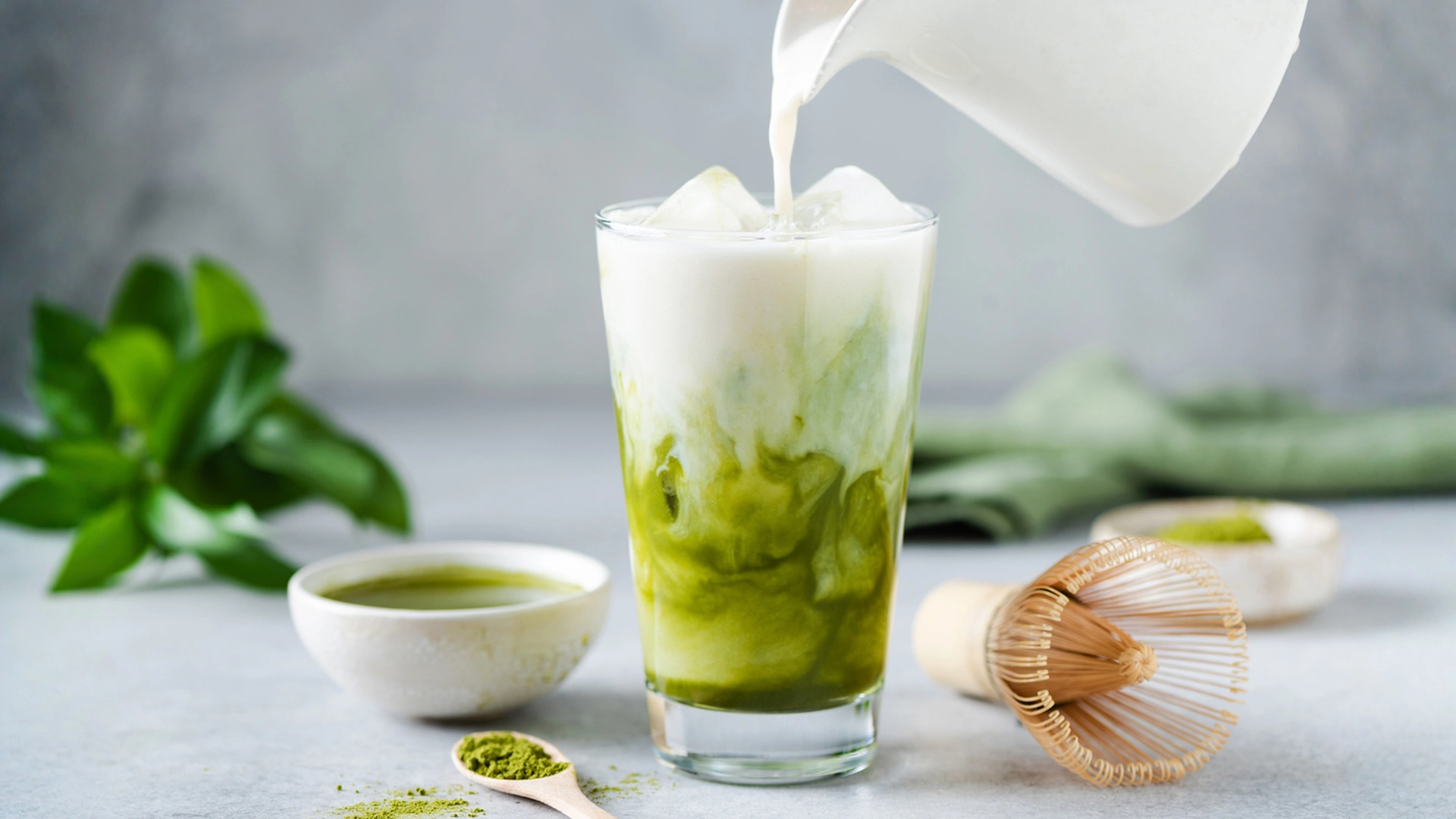
Matcha, a powdered form of green tea, has been consumed for centuries in Japan — traditionally whisked with hot water as part of tea ceremonies. Now it’s everywhere: dominating the menus of global coffee chains, topped with lavender cold foam, and lining supermarket shelves in everything from ice cream to gourmet salt.
It’s also gained traction among kids, who see their favorite influencers sipping iced matcha lattes and want to try it themselves.
One of the reasons matcha has become so popular? The myriad health claims: that matcha can improve focus, energize without the jitters, and reduce inflammation. So is matcha actually good for you?
“There are several potential health benefits to drinking matcha,” says Dr. Chiti Parikh, executive director of the Integrative Health and Wellbeing Program at NewYork-Presbyterian/Weill Cornell Medical Center. “But it’s not for everyone, and you should be mindful when ordering matcha drinks from coffee shops, as many contain high amounts of added sugar.”
Dr. Parikh answers frequently asked questions about matcha powder for Health Matters ahead.
Explore Integrative Health Services at NewYork-Presbyterian
What is matcha, and how is it different than green tea?
Dr. Parikh: Matcha is a powdered form of green tea made by grinding whole tea leaves into a fine powder. Unlike traditional green tea (where the leaves are steeped and then discarded), you’re consuming the entire leaf.
As a result, matcha tends to have a higher concentration of certain compounds, including caffeine and antioxidants, compared with regular brewed green tea.
How much caffeine does matcha contain?
Dr. Parikh: Matcha contains more caffeine than green tea, but less than coffee.
An 8-oz cup of green tea contains about 30 milligrams of caffeine, whereas the same amount of coffee contains around 100 milligrams. Matcha lands somewhere in the middle: One teaspoon of matcha powder is estimated to contain between 38 and 89 milligrams of caffeine.
Are there health benefits to drinking matcha?
Dr. Parikh: Since you’re consuming the whole leaf, matcha provides a more concentrated dose of certain compounds compared to green tea, including:
- Epigallocatechin Gallate (EGCG): A plant antioxidant (also known as a catechin), EGCG may reduce stress, have anti-inflammatory effects, and prevent some chronic diseases.
- L-theanine: An amino acid found in tea leaves may promote relaxation and support focus, when combined with caffeine.
- Chlorophyll: This compound found in plants may support overall cellular health, though more research is needed. (Chlorophyll is also what gives matcha its bright green color.)
How does a matcha boost compare to a coffee boost?
Dr. Parikh: Some people find that they feel a different kind of energy boost from matcha compared to coffee. Whereas coffee can cause a more rapid spike in adrenaline and cortisol, which may leave some people feeling jittery or anxious, matcha tends to provide more gradual, sustained energy. In addition to matcha containing less caffeine, this may be due to the effects of EGCG and L-theanine.
How is matcha typically consumed?
Dr. Parikh: There are many different ways to enjoy matcha. While it is traditionally prepared whisked with water, it can taste slightly bitter on its own, so many people prefer to drink it as a latte (mixed with dairy milk or alternative milk, such as oat or almond) to mellow out the flavor a bit. Others prefer to sprinkle the matcha powder over yogurt or oatmeal or blend it into their smoothie.
How is matcha prepared at home?
Dr. Parikh: If you’re looking to purchase matcha powder to prepare at home, it’s important to note that not all matcha is created equal.
I would recommend purchasing “ceremonial grade,” stone-ground matcha. It tends to be a bit more expensive, but it is higher quality; it not only has a brighter green color, but it tends to be smoother and less bitter. (Lower quality matcha may appear dull or brownish and can taste more bitter due to oxidation.)
To prepare matcha at home, whisk 1 to 2 teaspoons of powder with hot (but not boiling) water until smooth. You can drink it as is or add milk to make a latte.
Is there anyone who should not have matcha?
Dr. Parikh: The same guidelines we apply to caffeine overall apply to matcha. During pregnancy, caffeine intake should be limited to less than 200mg a day, and those with anxiety or acid reflux may want to minimize it as well.
Matcha and green tea can also interfere with iron absorption, so for those who are taking iron supplements, it’s best to have them a few hours apart.
If you’re a parent, what should you know if your kid asks for a matcha?
Dr. Parikh: Children should generally avoid caffeinated beverages, including matcha. Plus, since kids may not enjoy matcha’s naturally bitter taste, the types of matcha drinks they’re drawn to are often heavily sweetened.

The health and wellness newsletter you can trust
Featured Experts
