



Menstrual Pain: What’s Normal and When to See a Doctor
An OB-GYN explains why period cramps happen, how to tell what’s normal, and when pain could signal something more.
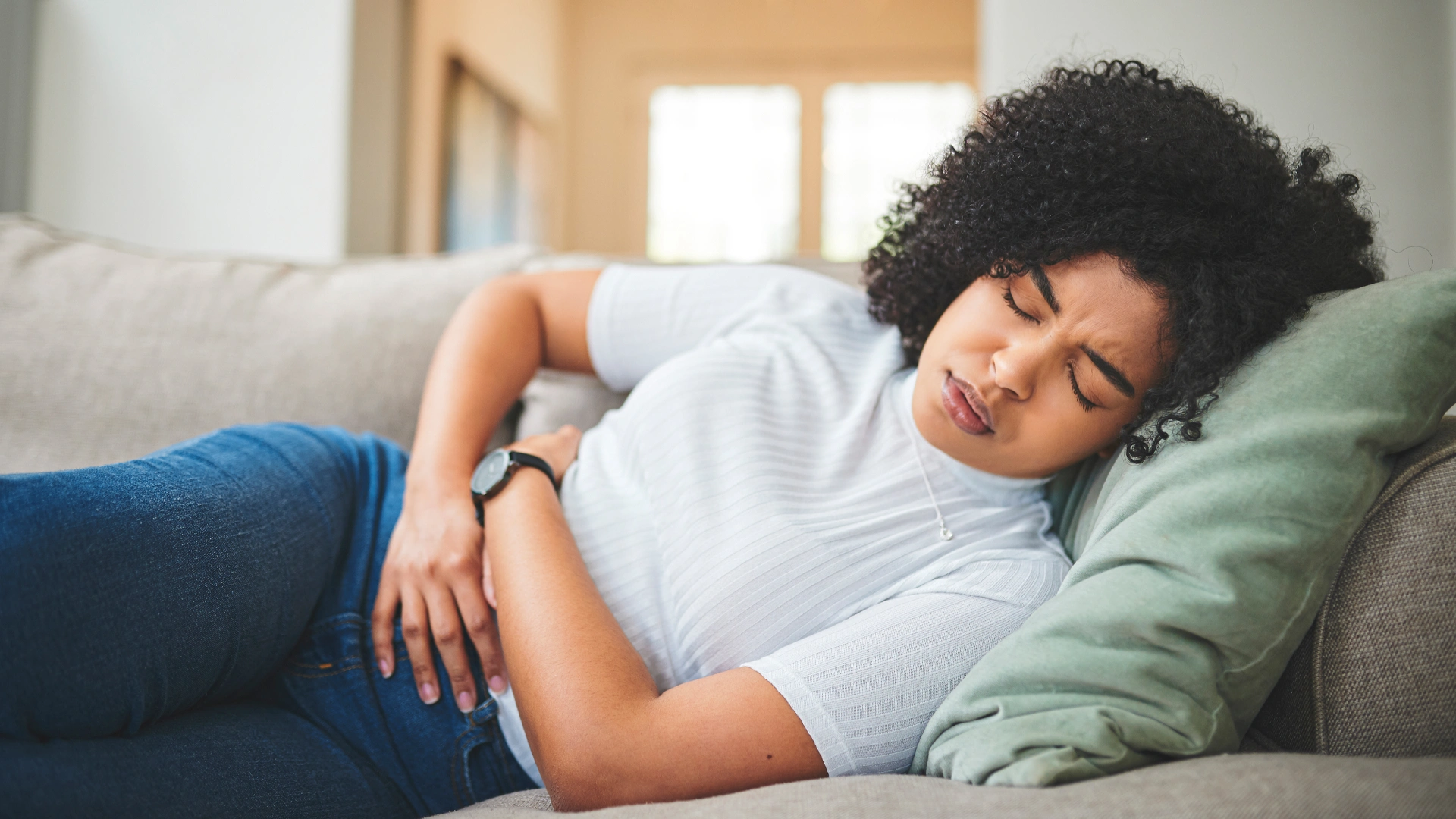
Lower abdominal cramps, back pain, aching thighs — period pain affects up to 90% of women and girls of reproductive age, with up to 15% experiencing discomfort so intense that it causes them to miss work or school.
While the severity of period cramps varies from person to person, it’s important for everyone who menstruates to track and pay close attention to their period symptoms, says Dr. Alessandra Hirsch, an OB-GYN at NewYork-Presbyterian/Columbia University Irving Medical Center.
Explore Women's Health Services at NewYork-Presbyterian
“Period cramps are very common, and most women experience them at some point in their lives,” says Dr. Hirsch. “But if your pain is disruptive, worsening, or comes with other symptoms, it’s important to talk to your doctor — there are treatment options that can help.”
Health Matters spoke with Dr. Hirsch to learn more about why period cramps happen, what level of menstrual pain is normal, and when to seek care.
What is happening in the uterus when people experience menstrual cramps?
Menstrual cramps typically feel like colicky, crampy pain in the lower abdomen that usually begins a few days before or during your period.
As the uterine lining sheds during menstruation, the body releases hormone-like substances, called prostaglandins. Prostaglandins trigger inflammation and cause the muscles and blood vessels of the uterus to contract — similar to mild versions of labor contractions. This is what causes pain in the lower abdomen, and sometimes in the lower back or thighs.
Why are menstrual cramps more painful for some than others?
“Dysmenorrhea” is the medical term for cramping pain in the lower abdomen during or just before menstruation. It can be accompanied by headaches, lower back or thigh pain, diarrhea, nausea, or vomiting. There are two types of dysmenorrhea:
- Primary dysmenorrhea is period pain that isn’t caused by another medical condition, but simply by menstruation itself. Doctors don’t know exactly why primary dysmenorrhea is more severe for some individuals, but higher levels of prostaglandin receptors are associated with more severe cramps — this may be why some people experience intense pain, while others barely notice their cramps at all.
- Secondary dysmenorrhea is period pain that is caused by an underlying reproductive condition, such as endometriosis. This type of menstrual pain is more commonly associated with other symptoms, like pain during sex or bowel problems.
What symptoms should prompt someone to see a doctor?
Some degree of menstrual pain and discomfort is normal. But if your period pain is very severe or long-lasting, it may be a sign of an underlying reproductive condition. You should tell your primary care physician or OB-GYN if you are experiencing any of the following symptoms during your period:
- Pain so intense that it causes nausea or vomiting
- Cramps that are not helped by over-the-counter pain medicine
- Heavy bleeding that leads to dizziness or lightheadedness
- Rectal bleeding
- Pain after sex or physical activity
- Sudden onset pelvic pain
- Fever and chills
There is a wide range of conditions that can cause period-related pain, including endometriosis, fibroids, adenomyosis, pelvic inflammatory disease, and even IBS . It’s important to speak openly with your doctor about what kinds of symptoms you’re experiencing, how often, and the severity, in order to rule out any underlying health issues.
Are there certain phases in life when menstrual pain may be more intense?
Period pain is usually most intense during your first few menstrual cycles, in the teen years.
What are some treatment options to help ease menstrual pain?
- NSAIDs (nonsteroidal anti-inflammatory drugs) like ibuprofen and acetaminophen are the first-line treatment because they target the prostaglandins responsible for uterine contractions and inflammation. For people with regular cycles, you can start taking NSAIDs a day or two before cramps usually begin and — as long as you don’t have a medical reason not to — can take 600 milligrams every six hours to get ahead of the pain.
- Heat therapy can be incredibly effective for menstrual pain. One study even found it to be more effective than acetaminophen, so don’t underestimate the power of a heating pad.
- Hormonal birth control is another common and effective treatment for painful periods. Oral contraceptives that contain estrogen and progesterone, help stabilize hormone levels and prevent the monthly hormonal fluctuations that drive cramps. They also thin the uterine lining — where prostaglandins are produced — which can help reduce pain. Hormonal IUDs work similarly and are often very effective for cramp relief. (Copper IUDs, however, can worsen cramps and bleeding because they increase local inflammation in the uterus, so they’re best for people who already have very light, painless periods.)
- Lifestyle adjustments can also help manage menstrual pain. Exercise, especially aerobic activity, and practices like yoga, during your period has been shown to reduce cramps, likely because endorphins released during movement counteract inflammatory prostaglandins. Getting enough sleep, cutting back on caffeine and alcohol during your period, and eating anti-inflammatory foods such as ginger, nuts and seeds, and lean proteins like fish may also help.
Many patients with severe menstrual pain think that it’s simply part of being a woman and something they have to live with — but it's not, and it shouldn’t be. It deserves to be taken seriously. Tell your doctor what you're experiencing; there are treatments that can help.

The health and wellness newsletter you can trust
Featured Experts

Obstetrics & Gynecology