
Is Eating Late at Night Bad for Your Health? Here’s What to Know
A gastroenterologist discusses whether eating late-night meals may increase your risk of obesity.
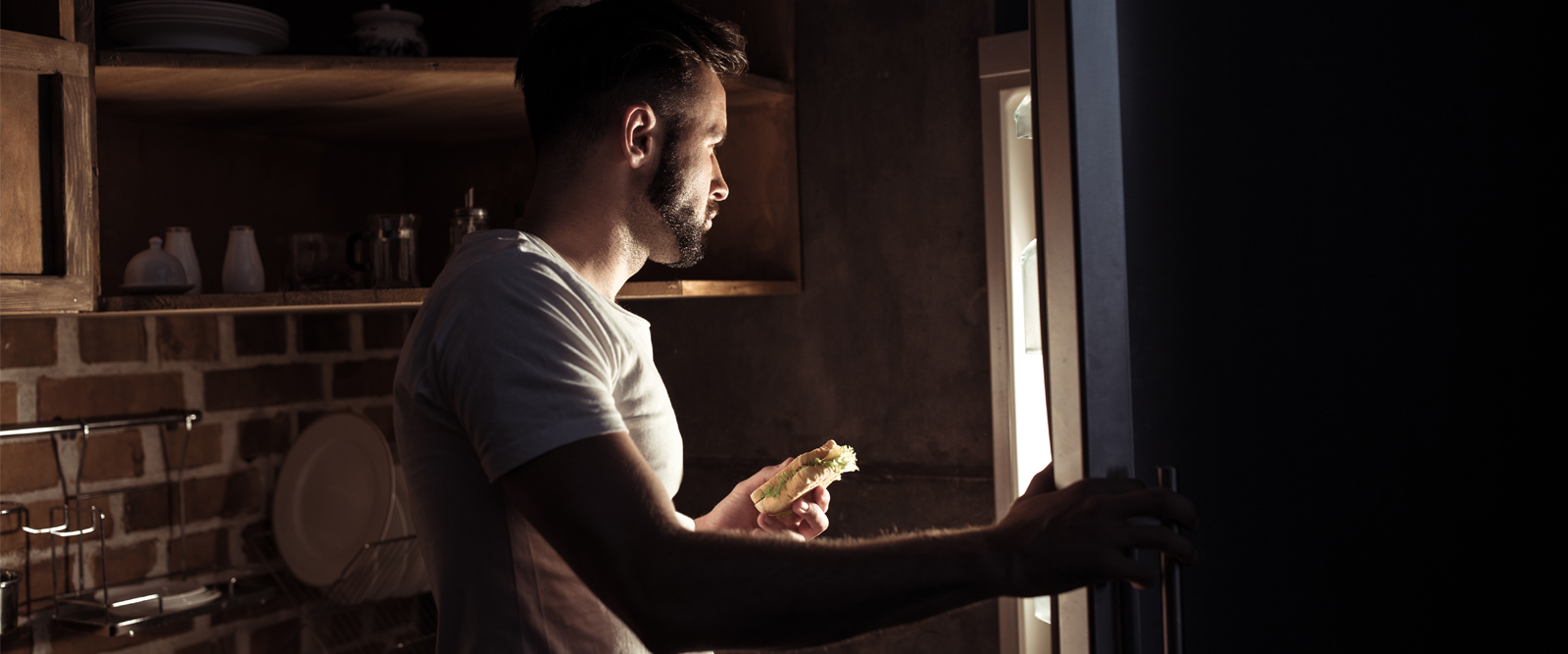
Before making an evening dinner reservation or heading to the fridge for a midnight snack, you might want to consider the impact that eating late at night may have on your body. Eating late can affect the body and potentially lead to consuming more calories throughout the day.
"We certainly know that when you go to sleep, your metabolic rate slows down," says Dr. Carolyn Newberry, a gastroenterologist and physician nutrition specialist at NewYork-Presbyterian/Weill Cornell Medical Center. "If you’re eating late at night, it would make sense that you may burn fewer of the calories that you ate. So it probably isn’t the best thing for somebody who’s trying to lose weight to eat late at night."
For more insight on eating late-night meals, Health Matters spoke with Dr. Newberry.
Explore Digestive Health Services at NewYork-Presbyterian
What causes the body to feel hungry?
The regulation of hunger and satiety is complex. And it’s related to the rise and fall of specific hormones, including leptin and ghrelin.
Ghrelin is the hormone that makes you hungry — it makes the stomach growl. Leptin is a hormone that makes you feel full. So if you have decreased leptin levels, you may not feel as full as you should — even when your body has taken in an appropriate number of calories.
Is there an ideal schedule for eating that would work for everyone? Are there certain times of the day that are more ideal for meals?
In an ideal world, most people feel best when they eat earlier in the day. When you eat a late-night meal, your body is triggered to secrete stomach acid and digestive enzymes to help break down that meal. When this process is initiated before you lie down and go to sleep, you may develop digestive issues. A number of studies show there’s increased gastric acid secretion after you lie down for bed, and that’s going to cause more esophageal irritation, heartburn, and discomfort. You may also burn fewer of the calories you’ve consumed as your metabolic rate slows down.
But it’s important to note that everybody has a different way that they feel when they eat. That said, most people feel their best when eating smaller meals throughout the day. Not only can it reduce symptoms like heartburn, bloating, and nausea, but for many people, eating smaller meals can also help them feel more satiated and satisfied throughout the day.
Do you have tips for people who do tend to eat later at night?
If you’re going to eat later in the evening — particularly if you suffer from gastrointestinal distress or if you’re trying to watch your weight — a high-protein snack may be a better option than something with more carbohydrates, which can induce more insulin release. Some examples are a handful of almonds or a piece of cheese. Those things tend to be better tolerated later in the evening.
What are some ways people might curb late-night cravings?
Late-night cravings can indicate not consuming enough calories during the day, which may lead to bingeing at night. Focusing on consuming regular meals during the day that are balanced (i.e., containing protein, fat, and complex carbohydrates) can reduce these nighttime cravings.

The health and wellness newsletter you can trust
Featured Experts