




Do I Need to Take Vitamin D?
Experts explain why vitamin D is important, signs of vitamin D deficiency, and how to get enough of this “sun vitamin."
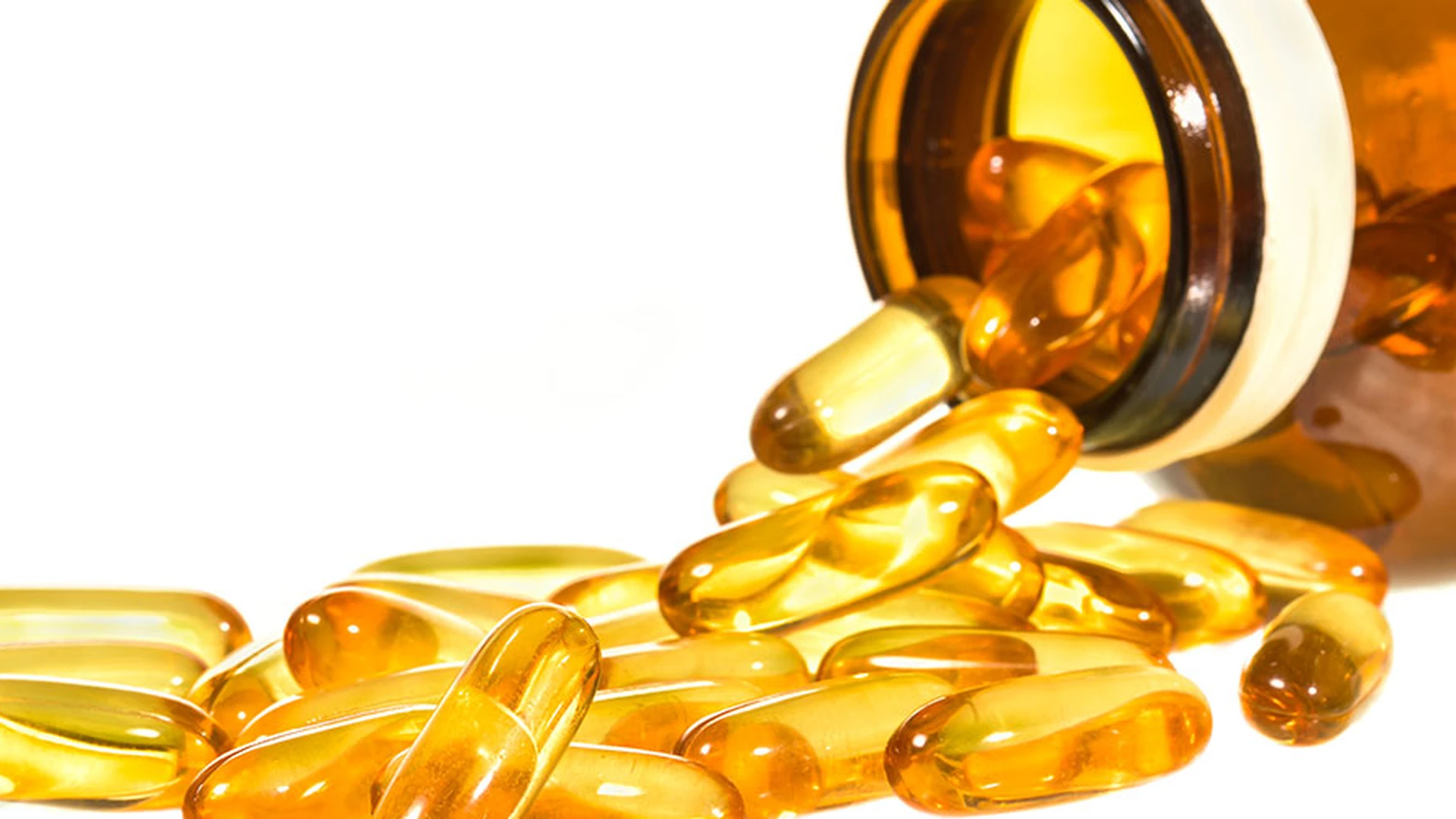
Known as the “sun vitamin,” vitamin D is vital to bone health, muscle movement, nerve connections to the brain, and immune system function.
Studies suggest vitamin D may help protect us from infections and major diseases like cancer, cardiovascular and respiratory diseases, dementia, and more, with a 2026 analysis finding that vitamin D may help reduce diabetes risk for certain groups.
With the wide availability of supplements, taking vitamin D seems like an easy way to bolster your health. But is it?
Endocrinologist Dr. John Bilezikian, an attending physician at NewYork-Presbyterian/Columbia University Irving Medical Center and the Dorothy L. and Daniel H. Silberberg Professor of Medicine at the Columbia University Vagelos College of Physicians & Surgeons, and Dr. Rekha B. Kumar, an attending endocrinologist at NewYork-Presbyterian/Weill Cornell Medical Center and an assistant professor of medicine at Weill Cornell Medicine, answer common questions about vitamin D, including signs of vitamin D deficiency and who may benefit from a supplement.
What does vitamin D do?
Dr. Bilezikian: Vitamin D, like all vitamins, is a nutrient that’s essential for life. Our bodies produce active vitamin D after exposure to sunlight, and we get some vitamin D from food. It’s also a hormone, and hormones help control how cells and organs function.
Vitamin D makes our bodies better at absorbing other nutrients, namely calcium and phosphorus, which are both important for bone health. It also helps to restore and maintain the calcium in our bones, where 99% of it resides.
What happens if you do not have enough vitamin D, and what are signs of a vitamin D deficiency?
Dr. Kumar: If vitamin D levels are extremely low, people can have bone pain, muscle pain, and start losing bone mineral density.
You can ask your doctor to check if you have a vitamin D deficiency, and to make sure your levels are adequate for your life stage.
Dr. Bilezikian: Measuring the form of vitamin D made in the liver, called 25-hydroxyvitamin D, is the best way to find out whether you are deficient. Ask your doctor if you should do this blood test.
When someone is vitamin D-deficient, calcium is not replaced adequately, which leads to weak and fragile bones. Bone density tests measure how much calcium is in bones. Low bone density signals a condition called osteoporosis. Severe vitamin D deficiency can be a sign of osteomalacia (Greek lesson: soft bones). In children, severe vitamin D deficiency appears as rickets.
When is the best time to measure vitamin D?
Dr. Bilezikian: Your lowest level is likely to be in the middle of winter. Measure then. If you start taking in sun or supplements, measure again two to three months later. It takes about that long to get to a steady level.
Vitamin D: The Sun Vitamin
The primary source of vitamin D is sunlight. People who live closest to the equator have the best exposure to vitamin D. In regions farther from the equator, particularly in the winter, the sun’s rays are less effective.
If you live in New York and the surrounding area:
- From October to April: The sun provides minimal or no vitamin D, regardless of time spent outdoors. This is when supplements are vital.
From May to September: 15-20 minutes of sun a day is enough. Remember to put sunblock on after this sun exposure if you continue to stay outdoors.
If you’re over age 70, you may need more than 20 minutes because your skin does not make vitamin D as well as it did when you were younger.
Who can benefit from a vitamin D supplement?
Dr. Kumar: Those who can benefit from taking vitamin D as a supplement include:
- perimenopausal women
- people that have known osteopenia or osteoporosis
- pregnant or lactating women
- people with kidney disease
- people who live further away from the equator
- people that have more pigment in their skin
No matter where someone lives, the amount of pigment in their skin can determine how much vitamin D they absorb. Having more melanin – the substance that produces hair, eye and skin pigmentation (color) – can reduce your ability to synthesize vitamin D from the sun, according to studies.
Dr. Bilezikian: If you’re not getting enough vitamin D from the sun or food, you can take pills, capsules, drops, and other forms of vitamin D. Many multivitamins contain vitamin D.
What is the difference between vitamin D3 and vitamin D2?
Dr. Bilezikian: Two forms of vitamin D are available in supplements: vitamin D3 and vitamin D2. Both can help correct vitamin D deficiency, but most doctors recommend D3 because it is slightly more active and therefore slightly more effective. Vitamin D3 is naturally produced by animals, including humans. Vitamin D2 is the plant form. Using the form made in our bodies is another reason for recommending vitamin D3.
How much vitamin D should you take?
Dr. Bilezikian: How much vitamin D you need depends on factors like age and health issues. Talk to your doctor. Celiac disease and other conditions associated with malabsorption of food make it difficult for the body to absorb nutrients. People with these conditions and who have had gastrointestinal tract surgeries need more vitamin D.
- For people over age 70, the daily recommendation is 800 International Units (IUs), or 20 micgrograms (mcg).
- For people below age 70: 600 IU (15 mcg).
These recommendations meet the bone health needs for most people. In most situations, taking more than 4,000 IU per day is not recommended.
Are there side effects of taking too much vitamin D?
Dr. Kumar: Because it's a fat-soluble vitamin, meaning it collects in your fat cells, there is such thing as taking too much vitamin D.
Your blood calcium level can increase, making it dangerous for your health. This can affect your kidney function, digestive system, and bone and heart health, among other conditions. Speak with your doctor about the correct dose for you.
What foods have vitamin D?
Dr. Bilezikian: The following foods are often fortified with vitamin D:
- Orange juice
- Milk
- Yogurt
Vitamin D is naturally present in fish, especially fatty, oily fish such as salmon. Choose wild over farmed when you can: A study showed farmed salmon had about 25% of the vitamin D content as wild salmon. You can also get vitamin D from fish liver oils - supplements that also contain nutrients like omega-3 fatty acids and vitamin A.
What’s the most important thing to know about vitamin D?
Dr. Kumar: Before buying and trying vitamin D, speak with your clinician and do your research.
In a time when everyone is doing their supplement research through social media, be mindful of where you’re finding information. Look for sources that cite medical literature and journals.
Dr. Bilezikian: Vitamin D plays an important role in health, but it’s just one vitamin people need. Simply taking vitamin D will not fix everything that might be wrong with your health.
A version of this story first appeared in the Columbia University Irving Medical Center Newsroom.

The health and wellness newsletter you can trust
Featured Experts

Internal Medicine

Endocrinology