



CAR T-Cell Therapy, a Breakthrough Treatment for Cancer Patients
Why this therapy holds promise for patients with certain types of lymphoma and leukemia after other treatments have failed.
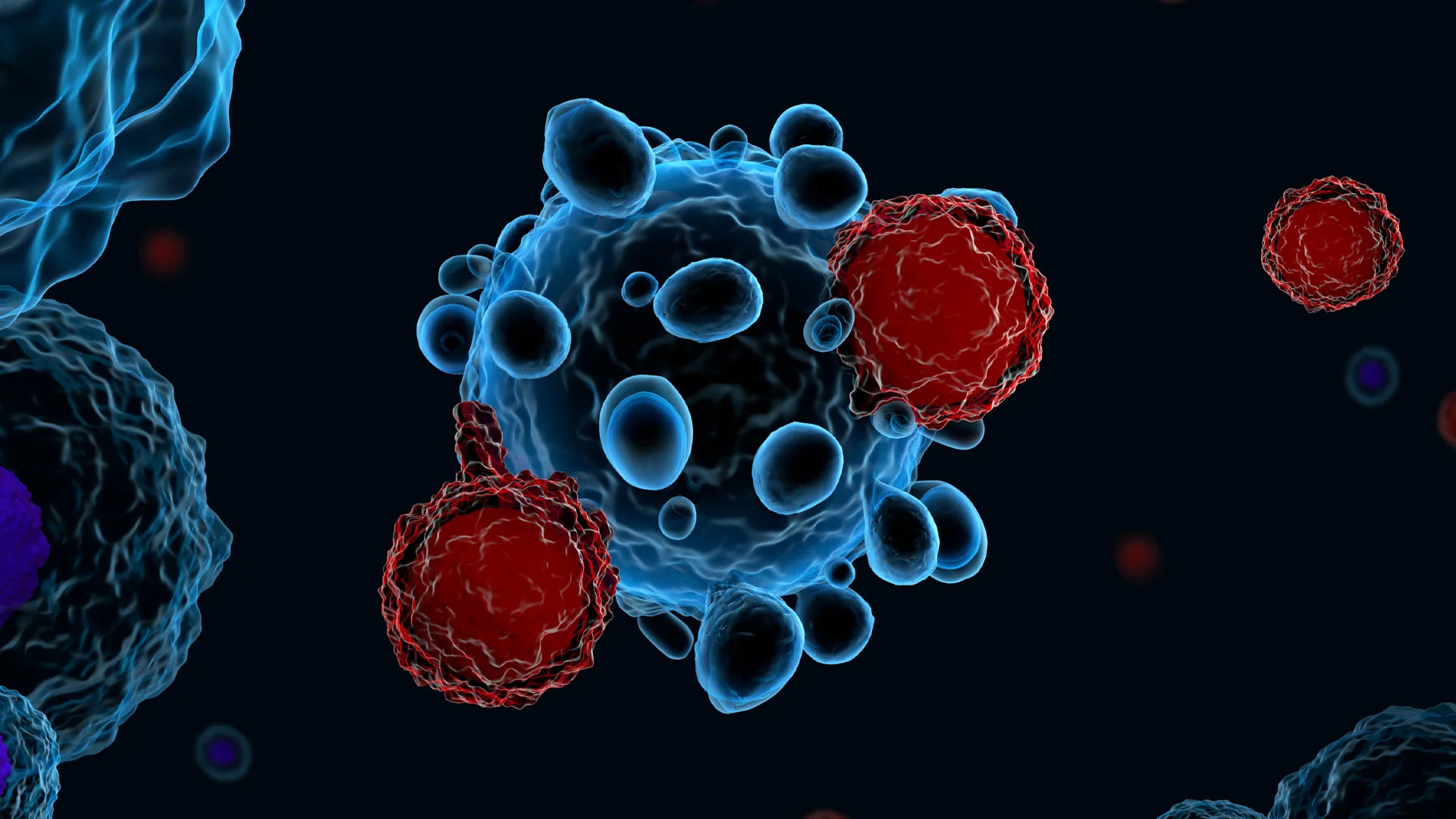
When a new type of immunotherapy called CAR T-cell therapy was approved by the U.S. Food and Drug Administration in 2017, it gave patients who had exhausted other treatment options hope where there was none before.
The treatment, which genetically alters a patient’s own immune cells to fight cancer, is intended for patients who have not responded to standard therapies, such as chemotherapy and/or bone marrow transplantation, or whose cancer has returned after receiving standard treatments. At that point, prospects for survival can be dire.
Explore Cancer Care Services at NewYork-Presbyterian
The therapy is currently approved by the U.S. Food and Drug Administration to treat some blood cancers, including multiple myeloma, certain subtypes of non-Hodgkin's lymphomas, and the most common childhood cancer, acute lymphoblastic leukemia, known as ALL. More recently, the FDA has approved the first cell therapy approaches for metastatic melanoma and a rare type of sarcoma.
“There is no question that using a patient’s own immune system to fight cancer was one of the major medical breakthroughs of the 21st century,” says Dr. Ran Reshef, director of the cellular therapy program at NewYork-Presbyterian/Columbia University Irving Medical Center and a professor of medicine at Columbia’s Vagelos College of Physicians and Surgeons. “CAR T-cell therapy addresses the major challenge with immunotherapy by finding a way to harness the immune system by either genetic modification or other methods so it can do a better job of fighting cancer.”
Health Matters spoke with Dr. Reshef about what to expect during CAR T-cell therapy, its potential benefits and side effects, and what questions to ask your doctor before receiving treatment.
What is CAR T-cell therapy?
CAR T-cell therapy is a type of immunotherapy that has had a tremendous impact on how we treat certain types of cancer and holds great promise for treating other cancer types and even autoimmune diseases.
It involves collecting types of white blood cells, lymphocytes, also called T cells, from cancer patients, and genetically modifying them to produce new CAR (chimeric antigen receptor) proteins that can detect specific antigens on cancer cells. I like to think of it as arming T cells to be able to recognize cancer. Once these newly armed T cells are manufactured, we infuse them back into the same patient so these cells can start attacking cancer cells. It’s a living drug, where the new T cells not only attack the cancer but also continue to multiply and persist in the patient.
Why is CAR T-cell therapy considered to be so promising?
These re-engineered T cells are tremendously potent. The term serial killers is the best way to describe them. These modified T cells kill one cancer cell, then move on to kill the next, and the next, to the very last one. In some cases, these cells may remain in the body for years and offer protection against cancer recurrence. As a result, some patients who were once considered incurable have gone into complete remission now known to last more than a decade and possibly indefinitely.

Dr. Ran Reshef
What’s the process like for patients?
After meeting with a cell therapy specialist to review the process and make sure that the patient is ready to proceed, the first step is the cell collection. During this appointment, an apheresis machine – a medical device that separates specific blood components from a donor or patient while returning the remaining blood back to the body – collects the patient’s blood, skims off the lymphocytes, and then returns the blood to the patient. This takes about three to four hours. The T cells then are shipped to the pharmaceutical company’s manufacturing facility to be genetically modified and multiplied (in some instances, the T cells may be manufactured locally at Columbia’s CAR T cell manufacturing facility). Two to four weeks later, the new T cells are ready for infusion into the patient. Shortly before the infusion, patients usually receive a form of preparatory chemotherapy meant to reduce their own lymphocytes and make room for the new “super potent” T cells to establish themselves. The patient will be closely monitored for side effects for several weeks after the treatment. If all goes well, the T cells will attack the cancer cells successfully, and the patient will achieve remission.
What are the possible side effects?
A small minority of patients experience serious side effects that require urgent management, occasionally in intensive care. This occurs when the new T cells cause an aggressive inflammatory response in the patient. That’s the reason that CAR T cells are administered either inpatient or outpatient with daily monitoring during the first 7-10 days. One side effect can be cytokine release syndrome (CRS), which causes:
- Fever
- Malaise and fatigue
- Shortness of breath
- A drop in blood pressure and oxygenation, among other symptoms.
The inflammatory response can also affect the nervous system and cause a complication called immune effector cell-associated neurotoxicity syndrome (ICANS), which can result in:
- Tremors
- Headaches
- Drowsiness
Occasionally, ICANS can cause difficulty speaking and disorientation. Rarely, and in severe cases, it can cause seizures and brain swelling.
This is why CAR T-cell therapy is administered only in specialized centers. The good news is that the side effects occur within days from the infusion, and, given that CAR T cells are designed to be a one-time treatment, the overwhelming majority of patients completely recover from these side effects and can return to their regular activities within a few weeks.
Long-term side effects are rare after CAR T-cell therapy but may still occur. Similar to many other cancer therapies, there is a low chance of secondary cancers, although it is not yet clear if this is a direct result of the treatment. Fortunately, this is a rare occurrence.
Where do you see CAR T-cell therapy going next?
We are still learning the potential of CAR T-cell therapy, and clinical trials are underway using it to treat a number of other cancers, including solid tumors, as well as autoimmune diseases like lupus, scleroderma and multiple sclerosis. I am very optimistic and hopeful about the future of CAR T-cell therapy.
There is no question that using a patient’s own immune system to fight cancer is one of the major medical breakthroughs of the 21st century.
What advancements in cell therapy are you particularly excited about?
At NewYork-Presbyterian and Columbia, we have a highly developed program with a decade of experience in administering CAR T-cells and other cell therapies. Beyond the FDA-approved products, we have a large portfolio of clinical trials that address the needs of patients, for whom FDA-approved products are not yet available. These trials include experimental treatments for various solid tumors and autoimmune diseases, and, in the future, we anticipate expanding our trials for additional conditions. We also launched the Columbia Institute for Cell Engineering and Therapy, under the leadership of Dr. Michel Sadelain, where the next generation of cell therapies are developed and studied. In the near future, some CAR T-cells will be manufactured by CICET for clinical trials conducted at NewYork-Presbyterian/Columbia University Irving Medical Center.
What questions should a patient ask their doctor about CAR T-cell therapy?
CAR T-cell therapy is reserved for patients who have not found success with traditional therapies and comes with the risk of serious side effects. These are some questions to discuss with your care team before treatment:
- What results have you seen in patients with my type of cancer?
CAR T-cell therapy is a highly personalized treatment, and the results vary. In leukemia in children, we have found that between 50% and 60% will have a durable long-term response. In lymphoma cases, approximately two-thirds of the patients may achieve a complete remission, even if they have failed a number of prior therapies, and approximately 40% of patients should expect a durable response for at least five years and most likely cure. CAR T cells have also revolutionized the treatment of myeloma and may replace bone marrow transplants in the near future for this devastating disease. The chance of response to CAR T-cell therapy in myeloma exceeds 90% and a third of the patients will still be in remission five years after a single CAR T cell infusion without any further therapy. - What side effects should I watch for?
Before treatment, you should discuss the potential side effects with your cell therapy care team and how each one is treated. Talk with your doctor about the symptoms you should look out for and when you may need urgent care, especially if you are recovering at home. - How closely will I need to be monitored after treatment and for how long?
Side effects primarily occur within the first two weeks after treatment and require close monitoring. Talk with your care team about whether you will need to stay in the hospital for observation and how long you may need to remain. If you can recover at home, find out how close you need to be to your medical facility and how long the recovery period will last. Patients are strongly advised to have a dedicated caregiver to help watch for side effects and are instructed not to drive for the first two weeks after treatment. - Am I a candidate for a clinical trial?
If you do not have one of the cancers currently approved for CAR T-cell therapy, there may be a clinical trial for your cancer type. Talk to your doctor about whether you may be eligible to participate in a study.

The health and wellness newsletter you can trust
Featured Experts
Hematology/Oncology