



Who Can Get Screened for Lung Cancer?
A radiologist shares what to know about screening for lung cancer, the leading cause of cancer death.
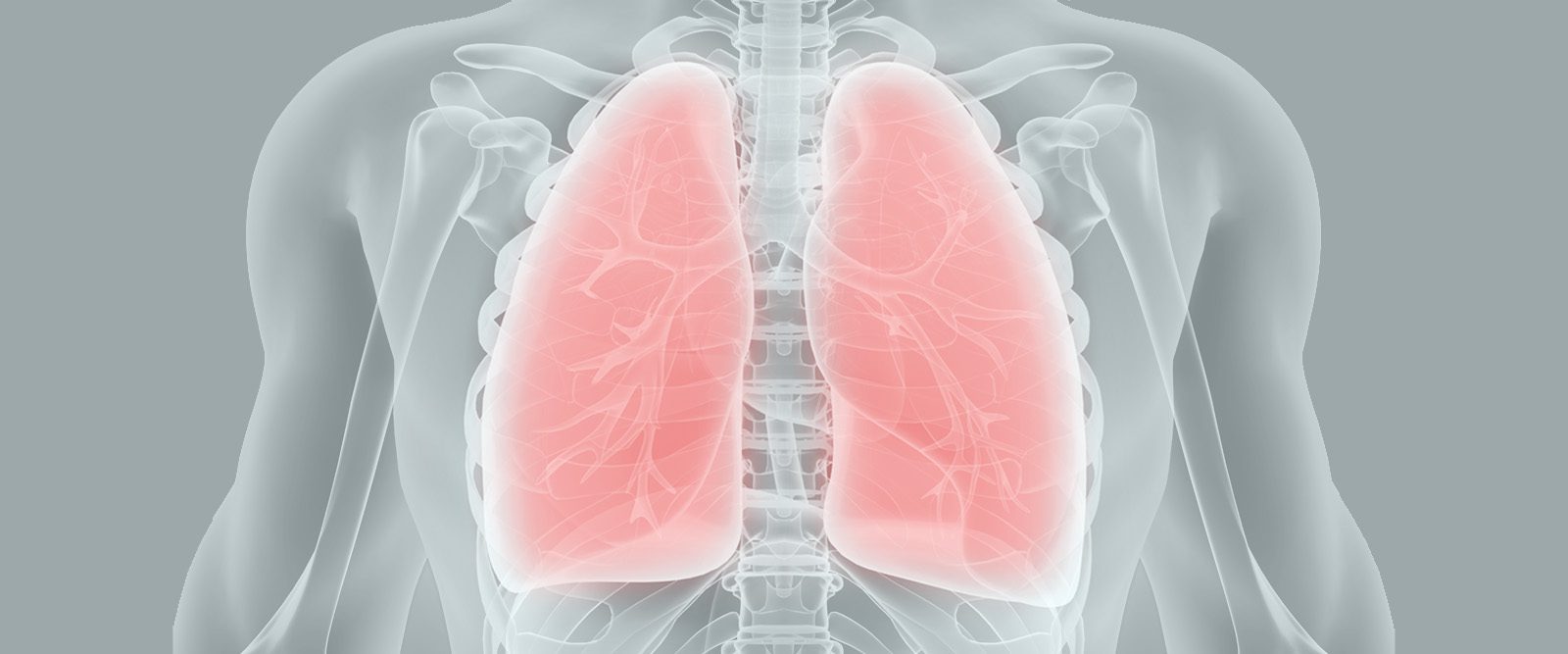
In the U.S., lung cancer is the second most common cancer in both men and women (not counting skin cancer) and the leading cause of cancer deaths. Each year, more people die of lung cancer than of colon, breast and prostate cancers combined.
The American Cancer Society (ACS) updated its lung cancer screening guidelines in 2023, which made about five million more people in the United States eligible for annual screening, aiming to reduce the number of deaths from lung cancer. When lung cancer is caught early, it is easier to treat because it is small and localized to the lungs. A recent study showed that more than 62,000 lives would be saved over five years if everyone eligible had a lung cancer screening.
"The latest guidelines allow for more people to get screened, which is imperative to save lives," says Dr. Bradley B. Pua, a vascular and interventional radiologist and director of the lung cancer screening program at NewYork-Presbyterian/Weill Cornell Medical Center. "There is a significant difference between the survival outcomes for stages I to II of lung cancer compared to stages III and IV. Even with our best treatments, the five-year survival rate for advanced lung cancer is about 15% to 20%, compared to 90% to 95% if it is found at stage I."
To learn more about lung cancer screening, who is eligible, and why early detection is critical, Health Matters spoke to Dr. Pua.
Explore Cancer Care Services at NewYork-Presbyterian

Dr. Bradley B. Pua
Who should get screened for lung cancer?
Dr. Pua: The ACS recommends yearly lung cancer screening — done with a rapid, non-invasive imaging test that takes detailed, 3-dimensional pictures of the lungs, a low-dose computed tomography (LDCT) scan (using a lower dose of radiation than a standard CT scan) — for people age 50 to 80 years, who:
- Smoke or used to smoke
AND
- Have at least a 20 pack-year history of smoking (for example, smoking one pack of cigarettes a day for 20 years or two packs a day for 10 years)
Since older people are at increased risk for lung cancer, it's important to be screened no matter how long they've quit for. Multicenter trials that have been done not only in the U.S., but in Europe and Asia, show that if we look at people who are age 50 to 80 years, who have a 20 pack-year history or more, are a current or former smoker. Current guidelines suggest screening is most optimal for former smokers who have quit within the last 15 years.
Why are the guidelines so much more specific than other cancer screening guidelines?
Dr. Pua: We focus screening on individuals who are at meaningful risk. A key concern with broad screening is the potential for incidental findings, which can lead to additional testing that may be unnecessary and could cause harm. If everyone were screened, many findings would not represent lung cancer but would still trigger further evaluation.
Some feel the current screening criteria are too restrictive, since lung cancer can also occur in people who have never smoked. We do see cases in individuals with other risk factors such as a strong family history, secondhand smoke exposure, or prior radon exposure. However, there is not yet sufficient evidence to support routine screening in those groups.
Why is it so important to get screened, if eligible, for lung cancer?
Dr. Pua: Getting screened reduces the lung cancer death rate by at least 20%, according to the American Lung Association. But screening for the disease has been drastically low compared to other cancers. Only 18.2% of people at high risk for lung cancer get screened each year nationally, whereas an estimated 67% of women ages 40 years and older had a breast cancer screening in the past two years and around 70% get colonoscopies to screen for colorectal cancer.
When looking at breast and colorectal cancer, we know who is at risk, what we need to screen for, and at what age, but lung cancer is unique. We need more data to see who the at-risk population is for lung cancer, besides people with a history of cigarette smoking, so that we can make guidelines broader.
Who is at high risk of lung cancer?
Dr. Pua: Each year there are about 229,410 new cases of lung cancer cases in the U.S, according to the ACS. The leading causes include:
- Cigarette smoking is linked to about 80% to 90% of lung cancer deaths, making it the number one risk factor for lung cancer.
- Secondhand smoke.
- Exposure to radon.
- Exposure to asbestos, arsenic, diesel exhaust or other carcinogens in the workplace.
- Personal or family history of the disease.
What can someone expect during a lung cancer screening?
Dr. Pua: The screening is done with a low-dose CT scan, or Low-Dose Computed Tomography (LDCT). It is non-invasive and done within a few seconds. The technologist will ask the patient to take a deep breath and hold it for a second or two and then an image is taken.
Even though it is low-dose radiation, it is still radiation. But the radiation risk is minimal and not what we're concerned about.
What happens if there is a positive result from the screening?
Dr. Pua: A patient is notified of the findings, and health care providers will recommend next steps. Recommendations, specifically at the lung cancer screening program at NewYork-Presbyterian/Weill Cornell Medical Center, are made by a multidisciplinary team of pulmonologists, thoracic surgeons, oncologists and radiologists.
In our program, when a patient has a positive screening result and is subsequently diagnosed after biopsy with early stage, potentially resectable disease, we strive to move quickly to definitive, potentially curative treatment, including surgery when appropriate, often within two weeks rather than the typical several month timeframe. While screening is critical, it is equally important to have a multidisciplinary team working closely together with the patient to rapidly determine the most appropriate next steps.
What steps should someone take if they want to learn more about lung cancer screening?
Dr. Pua: My advice is to reach out to a screening program if you have any questions or concerns about lung cancer. It does not mean that you are agreeing to get screened, It is just a way to find out more. Often, we have people come in for the shared decision-making because they are curious about screening. That's what we are here for – to offer that type of counseling as part of the screening program.

The health and wellness newsletter you can trust
Featured Experts

Vascular and Interventional Radiology