



Found a Tick? Here Are the 6 Things You Should Do Next
Don’t panic, but don’t wait. Two infectious disease physicians share a step-by-step guide on what to do after a tick bite and when to see a doctor.
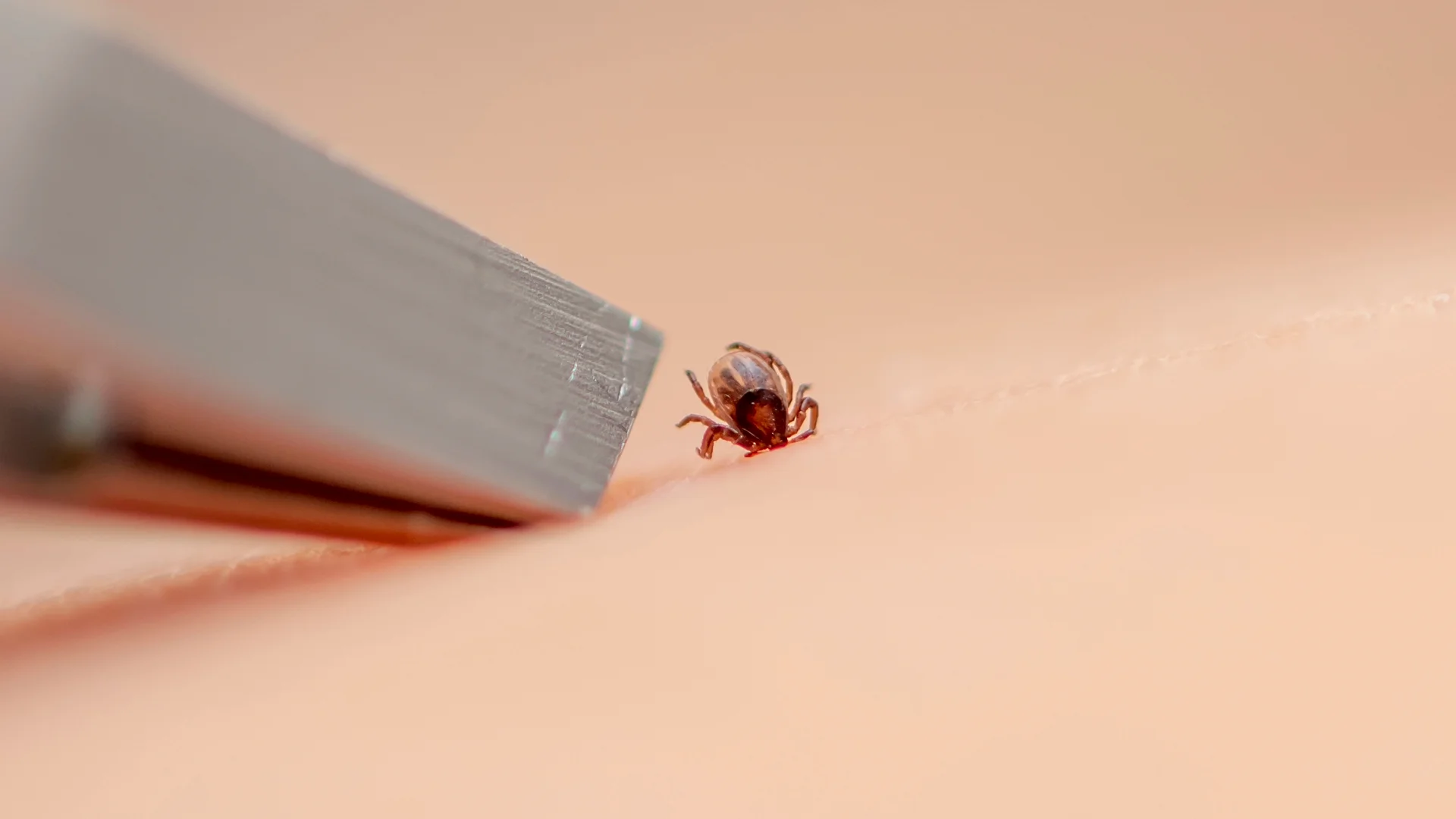
It’s tick season, and whether you’re in the city or suburbs, experts encourage taking extra precautions to protect yourself when spending time outdoors.
In New York City, cases of tick-borne diseases have been trending upwards, and emergency room visits for tick bites this spring were higher than normal in many parts of the country, according to the Centers for Disease Control and Prevention.
“In the Northeast you should always do tick checks. They can be the size of a poppy seed,” says Dr. Laura Kirkman, an infectious disease doctor at NewYork-Presbyterian/Weill Cornell Medical Center. “We want people to be aware but still enjoy time outside.”
“We know that cases of Lyme disease are increasing,” says Dr. Karen Acker, a pediatric infectious diseases specialist and hospital epidemiologist at NewYork-Presbyterian Komansky Children’s Hospital of Children’s Hospital of New York. “The good news is these diseases are very treatable.”
So what should you do if you find a tick on your body? Drs. Acker and Kirkman share a step-by-step guide, including how to safely remove one and when to see a doctor.
Explore Infectious Disease Services at NewYork-Presbyterian
1. Remove the Tick Immediately
Dr. Kirkman: If you find a tick crawling on you and it’s unattached, don’t worry. There's no disease transmission happening. You can brush it off, use tweezers, or use something sticky like a lint roller or tape to remove it.
Dr. Acker: Finding an unattached tick is a good reason to check for more. You may not notice it, and they can go to areas that are not as easy to see.
When doing a full-body tick check, inspect high-risk areas of the body, including the:
- Scalp
- Hairline
- Nape
- Underarms
- Groin
- Belly button
- Back of the knees
For kids, I also recommend looking in their diaper and private areas.
If the tick is attached to your skin, remove the entire tick body using a clean, fine-tipped tweezer.
- Get a good grip where the tick is closest to the skin. Try not to squeeze its body.
- Pull upward steadily with even pressure, don’t twist or jerk.
- If you can’t remove the tick mouthparts in the skin, leave them alone as your body can naturally push it out over time.
While it’s still attached, we don’t recommend putting petroleum jelly to try and suffocate it, or to try burning it off. Don’t crush it with your fingers, either.
2. Dispose of the Tick
Dr. Acker: Dispose of the live tick by placing it in a sealed container or wrapping it in tape before throwing it in the trash. You can also flush it down the toilet.
If you've removed the tick sufficiently, you don't need to send it for testing — we don’t rely on tick testing to decide the course of treatment.
Not all ticks contain pathogens for a tick-borne disease, and even if it did, testing the tick would not confirm whether the disease was transmitted to the person.
3. Clean the Bite Area and Your Clothes
Dr. Kirkman: After removing the tick, wash your hands and clean the parts of your skin the tick touched with soap and water, or rubbing alcohol.
Showering may help wash off any unattached ticks you may have missed.
You can also wash clothes in hot water to kill any other potential ticks, then dry on high heat.
Want to learn more about tick safety?
Dr. Ackman and Dr. Kirkman share practical tips for preventing tick bites, spotting symptoms and reducing your risk of Lyme disease on the Health Matters podcast.
4. Consider Calling a Health Care Provider
Dr. Kirkman: Especially if you find an engorged tick where its abdomen is swollen with blood, I would reach out to your physician because it indicates the tick may have been feeding long enough to transmit an infection. Often, they can prevent Lyme disease from developing by giving you one dose of doxycycline, an antibiotic.
There are other pathogens in addition to Lyme, such as anaplasmosis and babesiosis, that would require different types of treatment, so it’s something to be aware of.
5. Don’t Panic
Dr. Acker: A bite from a tick does not automatically mean illness or Lyme disease.
For Lyme disease, there are multiple variables: It has to be a blacklegged, or deer tick, that transmits Lyme. That tick has to be carrying the bacteria. That tick has to be on you for a long enough time that it takes a blood meal, so at least 36 to 48 hours. Even then, it's not 100% guarantee that you would get Lyme disease.
The risk is really the amount of time the tick is attached to you and feeding. If it’s over 36 hours, that's where the risk jumps up. Under that, it's very unlikely to transmit Lyme.
6. Watch for Symptoms
Dr. Kirkman: In Lyme disease cases, there is commonly a hallmark red, round rash called erythema migrans, which may look like a bullseye with a central clearing.
But the rash isn’t always as typical as you think, so look for a circular, red area that’s flat, with a clear border.
Dr. Acker: When you have a tick-borne illness, you may develop a rash or fever within days or weeks of removing a tick. Other symptoms can include:
- Fever
- Headache
- Fatigue
- Muscle aches
- Joint pain
- Rash, or rashes on multiple areas of the body
One last thought on Lyme: I tell parents that as a parent myself, there's a lot of things I worry about. It's not Lyme disease that's keeping me up in the middle of the night, because we have the tools to prevent and treat it.

The health and wellness newsletter you can trust
Featured Experts


Internal Medicine