



A Guide to Pregnancy After 35
An OB-GYN shares what to expect and tips to help you have a healthy pregnancy.
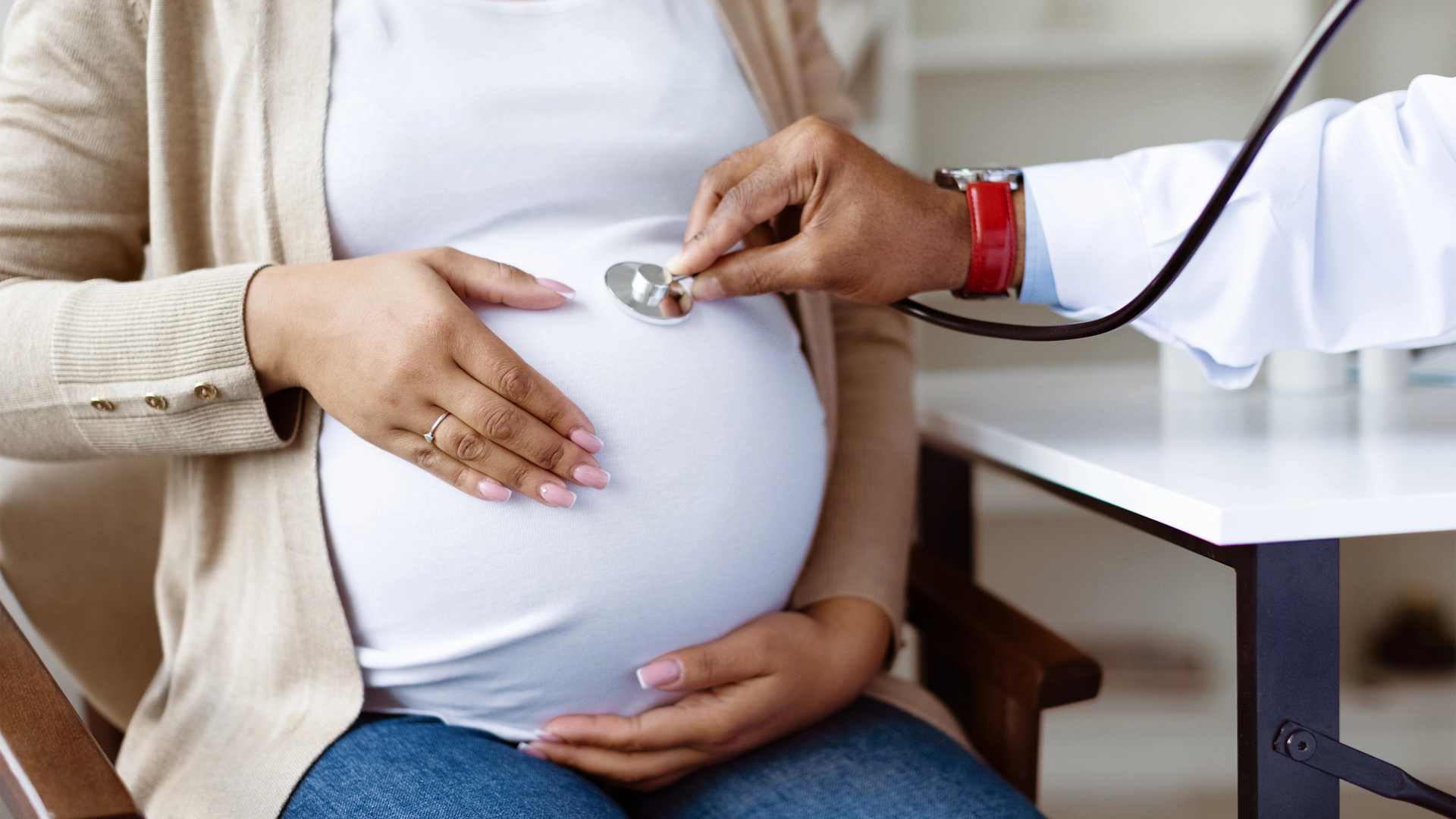
About one in five women in the U.S. have their first child after the age of 35, and women in the U.S. are increasingly waiting until their 30s to become mothers, according to a recent report from the Centers for Disease Control and Prevention.
While delivering at age 35 and older has historically been referred to as “advanced maternal age,” advancements in screening, monitoring and research have resulted in a better understanding of later-age pregnancy and the health risks that come with it.
Explore Women's Health Services at NewYork-Presbyterian
“My over-35 patients usually ask me, ‘‘Am I too old?’ My answer is almost always, ‘No, you are not too old,” says Dr. Robin Kalish, a maternal-fetal medicine specialist at NewYork-Presbyterian/Weill Cornell Medical Center. “And then their next question is, ‘Am I high-risk?’ Unfortunately, my answer is usually, ‘Yes.’ But with proper care and monitoring, the majority of women in that age range go on to have a healthy pregnancy.”
Health Matters spoke with Dr. Kalish, who is also a professor of Clinical Obstetrics and Gynecology at Weill Cornell Medicine, to understand what to expect during a pregnancy after age 35 and tips to help have a healthy pregnancy.
How does fertility change with age?
Fertility gradually decreases beginning in the early 30s and even more rapidly in the late 30s. You are born with all the eggs you are ever going to have—which is millions. As you get older, that number decreases. But it’s more than just the quantity of eggs. As you get older, the quality of eggs can decrease as well.
It is hard to pinpoint the exact numbers, but by age 40, the chance of conceiving each month is under 10%. By the time you’re 45, it’s about 1%. In comparison, someone in their mid-20s has a roughly 25% chance each month of getting pregnant.
While fertility declines with age, many people still conceive naturally in their late 30s and early 40s, and assisted reproductive technology continues to expand options for improving both access to pregnancy and the ability to monitor it safely.
“A healthy 38-year-old could have an easier pregnancy than a 20-year-old who has multiple medical issues,” says Dr. Kalish. “The risk increases little by little as women get older, and it’s incredibly individualized.”
How long does it take to get pregnant after 35?
If you’re thinking of getting pregnant, Dr. Kalish encourages everyone — especially those over 35 — to schedule a pre-pregnancy visit with their OB-GYN. “A lot depends on a person’s age, their medical history, and their future goals,” she says. “At a pre-pregnancy visit, you and your doctor can come up with an individualized plan and put in place healthy lifestyle habits—like good nutrition and exercise—to help optimize your health for when the time is right to conceive.”
A pre-pregnancy visit can also be a good time to talk with your doctor about fertility options. “While the biology hasn’t changed over the decades, the technology has changed,” says Dr. Kalish. “There are more options than ever before when it comes to fertility treatments and therapies.”
What are the risks of pregnancy after 35?
A variety of complications can occur over age 35, from the beginning of a pregnancy to childbirth. “That’s not to say that most people over age 35 will experience these complications, but it’s worth noting that these risks are increased,” Dr. Kalish says.
Pregnant people over 35 are at an increased risk of:
- Gestational diabetes — This type of diabetes only occurs during pregnancy; your chance of developing it increases after age 30.
- Preeclampsia — Characterized by high blood pressure during pregnancy or after childbirth, preeclampsia is more common among pregnant people who are very young or over age 40.
- Cesarean delivery (C-section) — Older women are at a higher risk for having pregnancy complications that require a caesarean delivery.
- Pre-term delivery and/or low birth weight — This can be due to many medical reasons that require an early delivery, including the placenta not functioning well and not delivering adequate nutrients and blood supply to the fetus.
- Stillbirth — This risk is relatively low; however, it becomes more common as a person ages. (For some patients, especially in their forties, additional monitoring later in pregnancy is recommended, as well as consideration for earlier delivery to optimize outcomes.)
- Fetal chromosomal abnormalities — The risk of a chromosomal abnormality that can cause conditions like Down syndrome increases with age.
Many of these complications can be detected with routine prenatal checkups and tests. For example, a blood test can help diagnose gestational diabetes, and your doctor may suggest you monitor your blood pressure at home for preeclampsia. In many patients over 35, low-dose aspirin is recommended to help reduce the risk of preeclampsia.
Do I need genetic testing if I’m over 35?
Today, highly accurate, noninvasive prenatal screening is available to all patients early in pregnancy, allowing for more informed and personalized decision-making than ever before. Genetic screening tests (which tell you if you are high-risk or low-risk for a condition) can be used to screen for genetic conditions like Down syndrome, while diagnostic tests like amniocentesis can confirm or rule out a condition.
“It’s important for all mothers to have a robust conversation with their OB-GYN about screening and diagnostic tests, especially when it comes to chromosomal abnormalities,” says Dr. Kalish.
What is important to know about postpartum care after 35?
The fourth trimester (the 12 weeks after giving birth) is just as important for a mother’s health as the first three trimesters -- and should be seen as a continuum of care, with an increased focus on cardiovascular health, mental health, and long-term implications of pregnancy complications.
According to the American College of Obstetricians and Gynecologists (ACOG), women should follow up with their obstetric healthcare team within the first three weeks of giving birth for a post-birth assessment and also have a more comprehensive postpartum evaluation by 12 weeks. For those who are considered high-risk, check in with your doctor within the first week or two.
“Pregnancy is now seen as a “stress test” for future health,” says Dr. Kalish. “Complications like preeclampsia and gestational diabetes are now understood to be early markers of long-term cardiovascular risk. Fortunately, these risks can be potentially mitigated with proper follow-up care.”
7 Tips for a Healthy Pregnancy After 35
1. Make time for prenatal visits. Find an OB-GYN with whom you feel comfortable having honest conversations.
2. Take prenatal vitamins. Taking folic acid even before getting pregnant can reduce the risk of some birth defects, such as spina bifida.
3. Get vaccinated. In addition to the COVID and flu vaccines, make sure you are up to date on all your vaccinations before you conceive.
4. Find out if genetic testing is right for you. Depending on your age and medical history, your doctor might recommend certain screenings or diagnostic tests to check for birth defects and/or genetic abnormalities. Talk with them about what’s right for you.
5. Eat well and exercise. This is important for every mom-to-be, no matter their age.
6. Prioritize mental health. Postpartum depression affects up to one in eight mothers, and it is treatable. Have a support system in place to help you navigate the transition to parenthood, and call your doctor if you’re experiencing signs of depression.
7. Don’t forget your postpartum checkup. Postpartum care should be an ongoing process, starting with a check-in around two weeks after giving birth to make sure mom and baby are healthy.

The health and wellness newsletter you can trust
Featured Experts

Obstetrics & Gynecology