



When Should You Treat Varicose Veins? Symptoms, Risks and Treatment Options
A vascular surgeon explains when varicose veins are harmless, warning signs to watch for and how they’re diagnosed and treated.
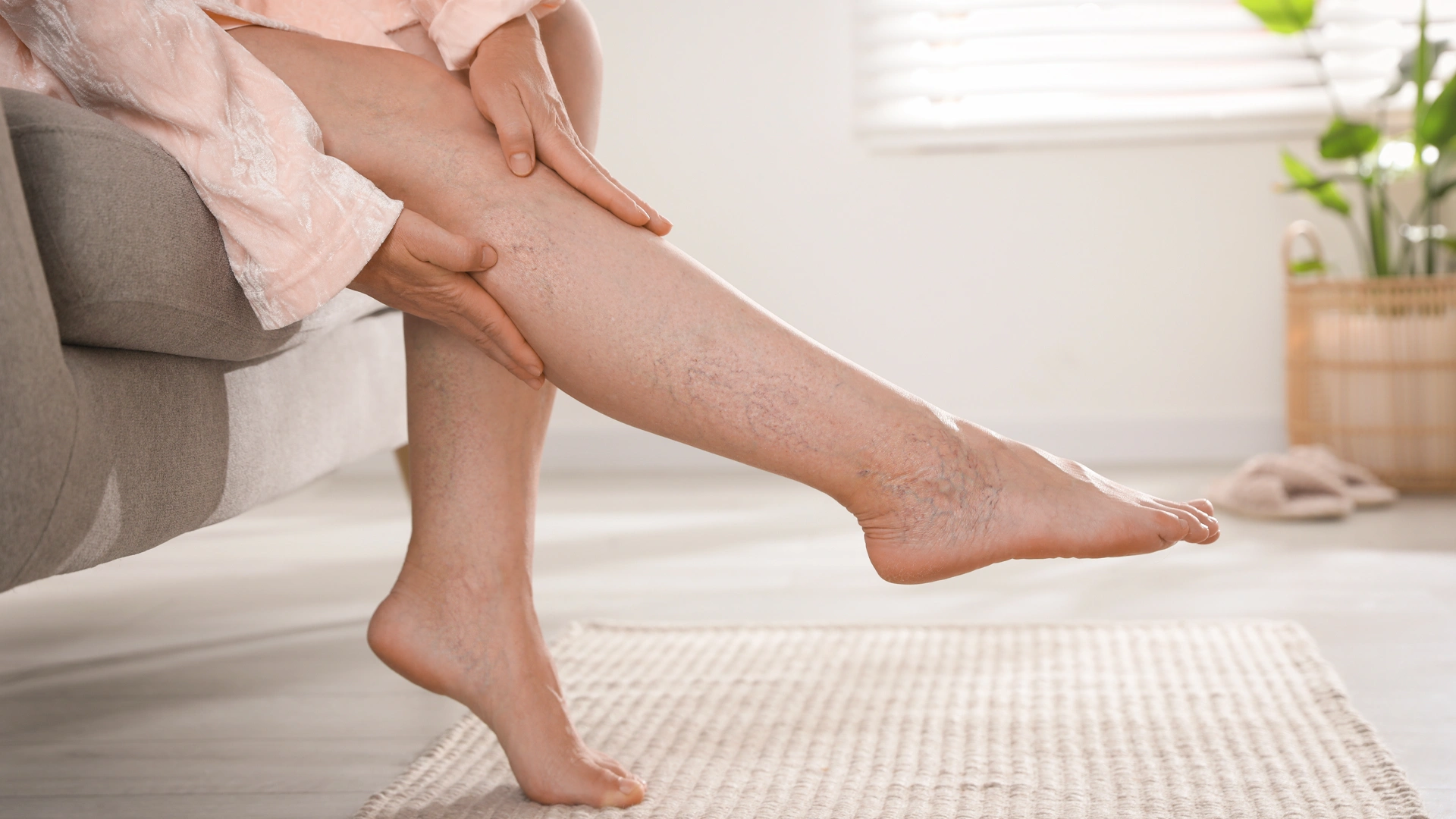
Varicose veins can be painful, uncomfortable or just plain annoying. While the puffy, twisted vessels can cause symptoms like swelling, itching or cramping in the legs, many people consider them merely a cosmetic concern. So, if your varicose veins are not particularly bothering you, do you have to remove them?
“In the majority of cases, varicose veins are harmless as long as they're not causing you any physical discomfort,” says Dr. Nicole Ilonzo, a vascular surgeon at NewYork-Presbyterian/Weill Cornell Medical Center. “But in certain cases, leaving them untreated can lead to more serious health issues.”
Health Matters spoke with Dr. Ilonzo about what causes varicose veins, who is most at risk of developing them and when treatment is necessary.
Explore Women's Health Services at NewYork-Presbyterian
Who is most likely to develop varicose veins?
Dr. Ilonzo: Varicose veins are very common; as many as 40 million people in the U.S. have them. While they can affect anyone, women are more likely to get them. This may be related to hormones — estrogen and progesterone are known to relax the vein walls, causing the veins to work less effectively and exacerbate venous insufficiency. They’re common during pregnancy, due to increased blood volume and hormonal changes.
Genetics play a role, too — varicose veins tend to run in families. They are also more likely to affect older adults and those with jobs that require a lot of prolonged sitting or standing.
What causes varicose veins?
Dr. Ilonzo: Varicose veins develop when the valves that carry blood up from our legs to our heart become weakened or damaged over time. When those valves fail, the blood can flow backwards and pool, causing the veins — usually on the calves, ankles, or feet — to stretch and become enlarged; this is also known as “venous insufficiency.”
Are varicose veins simply a cosmetic issue or can they also pose health risks?
Dr. Ilonzo: Asymptomatic varicose veins are usually not dangerous and can be left alone unless you would like them removed for cosmetic purposes. However, you should see a doctor if you experience any of the following:
- Aching pain, discomfort, or throbbing
- Red, inflamed, or itchy skin
- A feeling of warmth, hardness, or “chord-like” feeling in the vein (may indicate blood clots)
- Ulcers (slow-healing sores)
- Bleeding
- Dark, sometimes itchy patches of skin discoloration
If left untreated, varicose veins of this severity can lead to serious conditions, such as blood clots, and impact your overall health and quality of life.
How are varicose veins diagnosed?
Dr. Ilonzo: Most people can recognize when they have varicose veins on their own, but when they come in for an evaluation, my job is to determine what's causing them and whether there are any related complications.
During the exam, I look for signs of swelling and skin changes. Varicose veins can sometimes lead to dermatitis, causing darkening or discoloration of the skin, particularly on the inner part of the leg. I also check for any venous ulcers that may have developed.
I’ll also want to rule out more serious issues, such as blood clots. To do that, I typically order an ultrasound, which allows me to evaluate both the deep and superficial veins, as well as assess venous insufficiency.
Depending on the results, treatment may need to address both the underlying vein insufficiency and the visible varicose veins themselves.
How are varicose veins treated?
Dr. Ilonzo: Treatment for varicose veins typically begins by addressing the underlying cause.
If your varicose vein symptoms are mild, your doctor may simply suggest wearing compression socks for certain periods of time throughout the day.
Common nonsurgical treatment options for varicose veins include:
- Sclerotherapy: A chemical solution or foam that is injected to seal the varicose vein.
- Laser ablation: Targeted laser frequencies are used to shrink and seal the varicose vein.
- Cyanoacrylate glue closure: A special medical adhesive to seal the vein is delivered through a small catheter.
Larger varicose veins (more than 3 millimeters in diameter) may require surgical treatment:
- Ambulatory phlebectomy: A quick procedure in which tiny incisions are made along the length of the vein, and the damaged section of the vein is removed with a medical hook; local anesthesia is used. Healthy neighboring veins naturally take over the job of carrying blood after the procedure.
- Surgical ligation and stripping (for more severe cases): Incisions are made around the area of the vein, the vein is “tied off” to prevent blood flow and then it is removed (or “stripped”); local or general anesthesia is used.
The best treatment depends on the patient's individual anatomy, symptoms and preferences and should be decided through a discussion with a vascular specialist.
What is recovery like after varicose vein removal?
Dr. Ilonzo: It depends on the type of procedure, but in general, your doctor may recommend that you rest and elevate the affected leg for a few days. They may also recommend an ultrasound within about a week to ensure that no blood clots have developed.
Compression therapy is also an important part of recovery. You may be instructed to wear an ACE wrap or compression stockings for a specific period of time to support healing.
Walking is encouraged after treatment, but patients should avoid strenuous exercise and high-intensity physical activity for about two weeks. This allows the treated veins to heal properly and helps promote the best possible outcome. Most patients can return to their normal daily activities relatively quickly.
Can varicose veins return?
Dr. Ilonozo: Yes, it’s common for varicose veins to return, usually a few years after treatment. While treatments can effectively remove or close existing varicose veins, they don't cure the underlying condition that causes them.
Are there lifestyle changes that can help prevent varicose veins from returning or getting worse?
Dr. Ilonzo: There are a few habits that can help, including:
- Daily movement or cardiovascular exercise.
- A healthy low-sodium diet.
- Avoiding sitting or standing for prolonged periods.
- Elevating legs for 15 minutes a day.

The health and wellness newsletter you can trust
Featured Experts
General Surgery