



What to Know About Colon and Rectal Cancer in Young Adults
Experts explain the increase in colorectal cancer diagnoses in people younger than 55, and when people should see a specialist.

In the United States, colorectal cancer is the third most commonly diagnosed type of cancer, and since the mid-1990s, rates have been rising annually among young people. According to the American Cancer Society, 1 in 5 cases occur in people 54 years or younger, an 11% increase from 1995, which was 1 in 10.
"The rise does not appear to be abating," says Dr. Benjamin Lebwohl, a gastroenterologist at NewYork-Presbyterian/Columbia University Irving Medical Center and a professor of medicine and epidemiology at Columbia University Vagelos College of Physicians and Surgeons. "Unlike in older age groups, whose rates of colorectal cancer are falling, there has been an ongoing increase of this cancer in young people."
"Around 10% of all new diagnoses of colorectal cancer in the U.S. are now early-onset [defined as cancers in adults aged 18 to 49 years]," explains Dr. Beatrice Dionigi, a colorectal surgeon at NewYork-Presbyterian/Columbia University Irving Medical Center, and an assistant professor of surgery at Columbia University Vagelos College of Physicians and Surgeons. "Following this trend in the next 10 years, early-onset colorectal cancer will make up 25% of rectal cancers and 10-12% of colon cancers."
Dr. Lebwohl and Dr. Dionigi spoke with Health Matters on the latest statistics on colon and rectal cancer, why screening continues to be critical, and what can be done to address the rise in cases in the younger population.
Explore Cancer Care Services at NewYork-Presbyterian

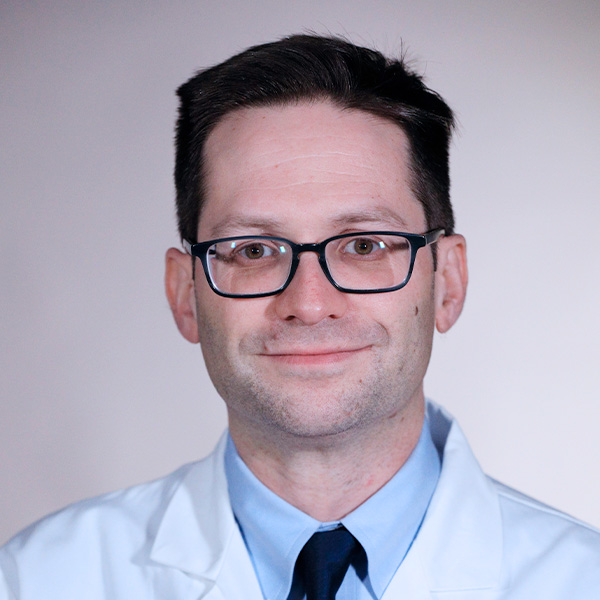
Dr. Benjamin Lebwohl
Why is colorectal cancer rising in people younger than 50?
Dr. Lebwohl: There is a lot we do not know about what is causing this increase and what causes these cases in an individual. For that reason, recommendations about when to screen are based on established colorectal cancer risk factors. These include family history, lifestyle factors, age, and people with underlying conditions. People with a family history, for example, have two to four times the risk of developing the disease, and in the U.S., some proportion of colorectal cancers is attributable to lifestyle factors, such as an unhealthy diet or insufficient physical activity.
Dr. Dionigi: There are many well-known risk factors associated with early onset colorectal cancer and these include a family history of colorectal cancer, inherited syndromes, such as Lynch syndrome or familial adenomatous polyposis, as well as inflammatory bowel disease. However, to date, the rise of colon and rectal cancer in patients younger than 45 cannot be fully explained by only these factors. In fact, up to 80% these cases are sporadic, or not inherited. More research is needed to fully understand why there is a rise in this part of the population.
Screening for colon and rectal cancer is recommended to begin at age 45. For people younger than 45, how are screening recommendations determined?
Dr. Lebwohl: We recommend that someone who has a first-degree relative, such as a parent or sibling, who had early onset colorectal cancer get screened earlier. This would be either 10 years younger than when their relative was diagnosed with cancer or at age 40, whichever comes first. For example, if your relative was diagnosed at 35, you should get screened at 25.
We also want to identify people who have genetic syndromes such as familial adenomatous polyposis, caused by changes in genes that a person inherits from parents, and underlying conditions that also put people at risk. Other than inflammatory bowel disease, these include Crohn's disease and ulcerative colitis. In Crohn's disease, parts of the digestive system get inflamed and have deep sores called ulcers, resulting in belly pain and diarrhea. Ulcerative colitis causes swelling, inflammation, and ulcers in the lining of the large intestine (colon) and causes diarrhea, belly pain, and bleeding from the rectum.
People who have these genetic syndromes and underlying conditions should be screened earlier than 45.
What are the symptoms of colorectal cancer people need to be aware of?
Dr. Dionigi: The four red-flag signs and symptoms have been identified as associated with a significant increased risk of early onset colon and rectal cancer include abdominal pain, rectal bleeding, diarrhea, and iron deficiency anemia. Rectal bleeding in particular had the strongest association with colorectal cancer.
What would you like young people to know about these symptoms, and what to do if they are experiencing them?
Dr. Lebwohl: Many people could find this subject embarrassing in terms of talking about bowel movements and frightening when thinking about cancer. But it is important to be as open as possible, especially with healthcare providers, about anything that is out of the ordinary. They can help formulate a plan and engage in shared decision-making about the next steps. Sometimes that plan involves further testing and evaluation, including, in some cases, a colonoscopy, which is one way to get checked for colorectal cancer.

Dr. Beatrice Dionigi
Dr. Dionigi: Abdominal pain, rectal bleeding, diarrhea, and iron deficiency anemia are usually symptoms associated with hemorrhoids, inflammatory bowel disease or irritable bowel syndrome, delaying possible colorectal cancer diagnosis. Studies have shown that these symptoms often precede the formal diagnosis date by 3 months to 2 years. To avoid delays in diagnosis, it is very important for primary care providers not to delay referral to colorectal clinic or gastroenterology clinic for further evaluation of those symptoms. It is also very important for patients to advocate for themselves to be seen by specialists if symptoms persist for more than 1 month.

The health and wellness newsletter you can trust
Featured Experts
Gastroenterology

Surgery - Colon and Rectal Surgery