


What to Know About Scoliosis: A Spine Expert’s Guide for Parents
A leading spine specialist shares 10 things parents and caregivers of kids and teens should know about this common, treatable condition.
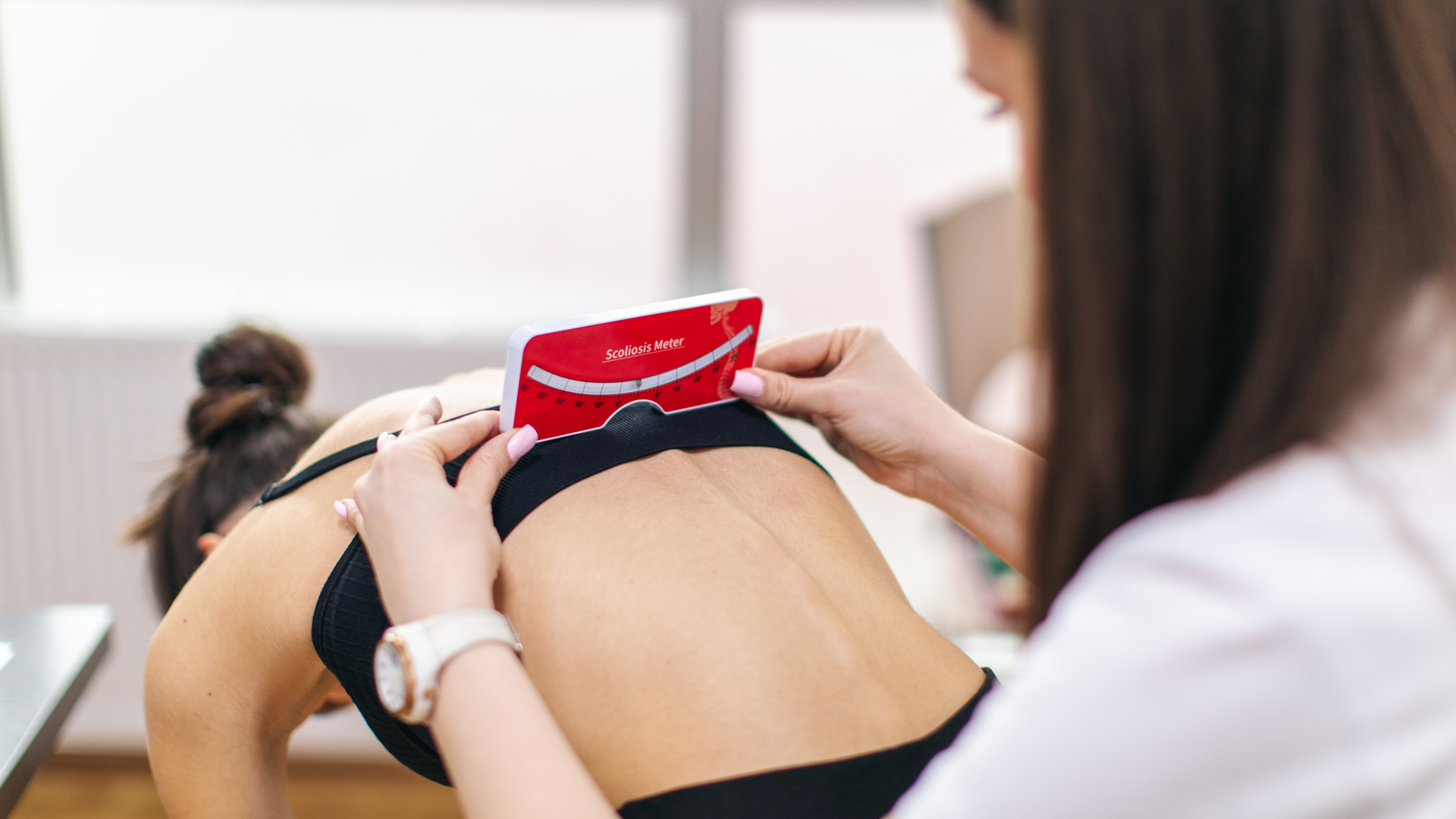
Most often detected during adolescence, scoliosis is a spinal condition that can vary from a slight abnormality to an extreme curve that can affect how a person walks and breathes. Scoliosis affects 2% to 3% of the population in the United States, or an estimated six to 9 million people. Despite how common it is, a diagnosis of scoliosis can feel scary for both caregivers and kids.
“If your child has scoliosis, don’t be afraid of it,” says Dr. Michael Vitale, chief of pediatric spine surgery at NewYork-Presbyterian Morgan Stanley Children’s Hospital and NewYork-Presbyterian Och Spine Hospital. “The key is being aware of it and getting the diagnosis early so you can begin treatment. When treated early, there’s a lot of hope for allowing kids to live a perfectly active, normal life.”
Dr. Vitale shared with Health Matters the top 10 things parents and caregivers of children with scoliosis should know.
Explore Och Spine Services at NewYork-Presbyterian
1. There are three types of scoliosis that appear in kids.
Dr. Vitale: When scoliosis develops in children, it typically falls into one of three main categories:
- Idiopathic scoliosis is the most common, and while the cause is unknown, it does tend to run in families.
- Congenital scoliosis is caused by a spine deformity that develops before a child is born.
- Neuromuscular scoliosis develops due to a neurological condition, such as cerebral palsy or muscular dystrophy, or an injury to the spinal cord.
2. It’s common for scoliosis to present just before puberty.
Dr. Vitale: Idiopathic scoliosis is most often detected between the ages of 10 and 15, around the time of a child’s growth spurt – usually a year before a girl gets her period or a boy begins growing hair under his arms or in his groin. It is more common in girls than in boys, though we don’t know exactly why.
3. A school nurse or pediatrician may be the first to raise a red flag. A spine specialist can help you learn more.
Dr. Vitale: Usually, your child’s primary care physician or school nurse will check annually for signs of scoliosis. If they notice any asymmetry in your child’s shoulders, shoulder blades, spine or pelvis, your next stop should be a pediatric spine specialist, who will measure the degree of curvature, often with an X-ray, and recommend next steps.
4. Early diagnosis is key to successful treatment.
Dr. Vitale: Scoliosis that remains untreated can get worse. Once the curve hits the 70-degree stage, lung function may be impaired. Curves of 90 degrees or more can worsen both lung and heart function and can even eventually cause neurological issues. As the curves get bigger, they can also cause back pain.
5. Bracing can be an effective treatment for small-to-moderate spinal curves.
Dr. Vitale: Bracing is the mainstay of treatment for spinal curves that measure around 20 to 45 degrees. Your child’s doctor may recommend 16-18 hours of daily brace wear until your child stops growing, and the brace will be most effective if worn as prescribed.
Not all braces are the same, says Dr. Vitale, so when a brace is needed, talk to your scoliosis doctor about custom-fitting your child with an external brace, a vestlike garment, to keep the scoliosis from getting worse and to maintain an upright spine.
It usually takes patients about a month to get used to wearing their brace, but it often becomes second nature. Newer, 3D braces are much more effective and comfortable than previous models, customized and designed to fit like a glove. Many even come with built-in monitors that allow doctors to assess progress and see how often the brace is being worn.
6. Scoliosis-specific physical therapy can help.
Dr. Vitale: A physical therapist can teach your child specific exercises and corrective breathing techniques to develop the inner muscles of the rib cage and change the shape of the upper trunk to help slow or stop curve progression.
7. Sometimes, surgery is the best option.
Dr. Vitale: If your child has a curve of 50 degrees or more, surgery is often necessary. There are a variety of different approaches, depending on the age of your child.
In Younger Children
- Growing rods that can be periodically lengthened by using magnets to remotely control rods implanted in the spine can be an effective option.
In Older Kids
- Fusion is the most common type of surgical treatment for scoliosis. In this approach, the vertebrae are aligned to correct the curve, then joined together using bone grafts, metal rods, and screws.
- Tethering is an approach that places a flexible cord along the rounded curve of the spine, allowing for the correction of scoliosis and continued growth at the same time.
Patients can typically expect to recover in the hospital for a few days following surgery and return to school and regular activity at three weeks.
9. Children with scoliosis who receive treatment often live typical, active lives.
Dr. Vitale: Even for patients who do end up needing surgery, treatments have continued to evolve and improve and outcomes are usually great, says Dr. Vitale. Often kids can get back to full sports activities, including things like gymnastics and dance, and are generally indistinguishable from kids who never had scoliosis.
10. Scoliosis is more treatable now than ever.
Dr. Vitale: There have never been better treatment options for children with scoliosis, says Dr. Vitale. With more accurate body scans, X-rays that use barely any radiation, and more advanced bracing, the sooner treatment starts, the less likely it is that your child will need surgery and the healthier they will be.

The health and wellness newsletter you can trust
Featured Experts

Orthopedic Surgery