



New Blood Test Added to Colorectal Cancer Screening Recommendations
A leading gastroenterologist explains updated colorectal screening guidelines and frequently asked questions about colonoscopies.
Colorectal cancer — cancer of the colon or rectum — is the second-leading cause of cancer deaths in the United States. Polyps and early colorectal cancer often cause no symptoms, but with proper screening, the disease is highly preventable.
The American Cancer Society (ACS) released updated guidelines for colorectal cancer screening, expanding testing options to include stool and blood tests as a first step, followed by a colonoscopy if there’s a positive result.
While screening can dramatically improve survival, there are more than 20 million Americans eligible for colorectal cancer screening who have not been tested as recommended.
“The most important and exciting part of these new tests is the hope that they will expand screening participation,” says Dr. Felice Schnoll-Sussman, a gastroenterologist and the director of The Jay Monahan Center for Gastrointestinal Health and an associate attending physician at NewYork-Presbyterian/Weill Cornell Medical Center.
One of the main reasons people avoid screening is because they think a colonoscopy will be painful or embarrassing, according to ACS. Offering more options may help catch colorectal cancer at an earlier, treatable stage, especially with the disease rising in younger populations—but the updated options aren’t meant to replace a colonoscopy.
“A colonoscopy remains the gold standard in detecting and preventing colon cancer,” says Dr. Schnoll-Sussman. “I witness many patients who are anxious about getting a colonoscopy, but it’s not something to be feared. Once patients understand what’s involved, their fears subside.”
Here, Dr. Schnoll-Sussman shares more on the updated guidelines for stool and blood tests, offers colonoscopy prep tips, and shares why it’s so important to be checked.
Explore Digestive Health Services at NewYork-Presbyterian
What do the updated guidelines say about at-home stool testing and blood tests for colorectal cancer screenings?
Dr. Schnoll-Sussman: The American Cancer Society recommends starting colorectal screening at age 45 — earlier if you have a family history of colon cancer — based in part on new data showing an increase in rates of colorectal cancer in people between the ages of 20 and 55.
The updated screening guidelines expand the screening test options from a colonoscopy to:
- At-home stool tests
- Blood tests
That said, not all screening tools carry equal benefit. Blood-based tests should be reserved for those who decline all other screenings. The blood test is primarily a cancer detection tool, rather than a cancer prevention tool. Modeling studies consistently show that blood-based tests are substantially less effective than stool-based tests or colonoscopy at reducing colorectal cancer incidence, mainly because of their poor detection of precancerous lesions, detecting roughly 13% compared to much higher rates with stool-based tests or colonoscopy.
A positive result on any non-colonoscopy test requires follow-up colonoscopy, which should be completed within 6 months.
Why is having a colonoscopy so important?
Dr. Schnoll-Sussman: Colonoscopies are both diagnostic and therapeutic.
At the time of a colonoscopy, polyps can be identified and removed. We know the precursor lesion for colon cancer is the colon polyp. The ability to remove polyps during a colonoscopy has been proven to decrease mortality from colon cancer.
While there are other methods of screening for colorectal cancer, such as stool-based tests that identify hidden blood and genetic mutations in the stool, a colonoscopy is still the only diagnostic and therapeutic procedure to both screen and prevent colorectal cancer.
Is a colonoscopy painful?
Dr. Schnoll-Sussman: During a colonoscopy, many patients are so comfortable that they do not even realize the procedure was completed.
You have a whole team by your side to ensure your safety, which may include a gastroenterologist, an anesthesiology professional, a nurse, and a technician. This highly skilled team is assembled to ensure your comfort and safety during the procedure.
While it may seem intimidating, proper colonoscopy prep can help with accurate screening, and the procedure itself should have little to no discomfort.
Will I be awake during a colonoscopy?
Before your colonoscopy, you are lightly sedated and your vital signs will be monitored during your procedure. The sedation will allow you to feel relaxed and comfortable. Your gastroenterologist will then insert into your rectum a colonoscope — a thin, flexible, hollow tube with a tiny camera on the end — to view the entire colon.
How to Have a Better Colonoscopy
- Be prepared for some bathroom time. As part of the prep, it’s normal to have a lot loose stools the night before your colonoscopy. By morning, this improves.
- Eat soft foods the day before your colonoscopy. While individual doctors’ recommendations differ, many now permit a “low residue” diet of soft foods that pass quickly through the colon like eggs, fish, chicken (no skin), and pasta with butter (not tomato) sauce are allowed.
- Add a little flavor to your prep drink. Discuss with your gastroenterologist to learn which option for bowel prep is best for you. Many preparations can be mixed with beverages you already like to drink, like coconut water or a sports drink.
- Split the prep. New studies show that splitting the bowel preparation — drinking half the liquid the night before your colonoscopy and half the morning of the test — results in a cleaner and more thorough exam and higher patient satisfaction.
- Drink a lot of water. The bowel prep involves a large volume of liquid, but it works by drawing water into the bowel, which can be dehydrating. Drinking additional water alongside your prep can help you feel better.
Read more on how to prepare for a colonoscopy.
How much of your body is exposed during a colonoscopy?
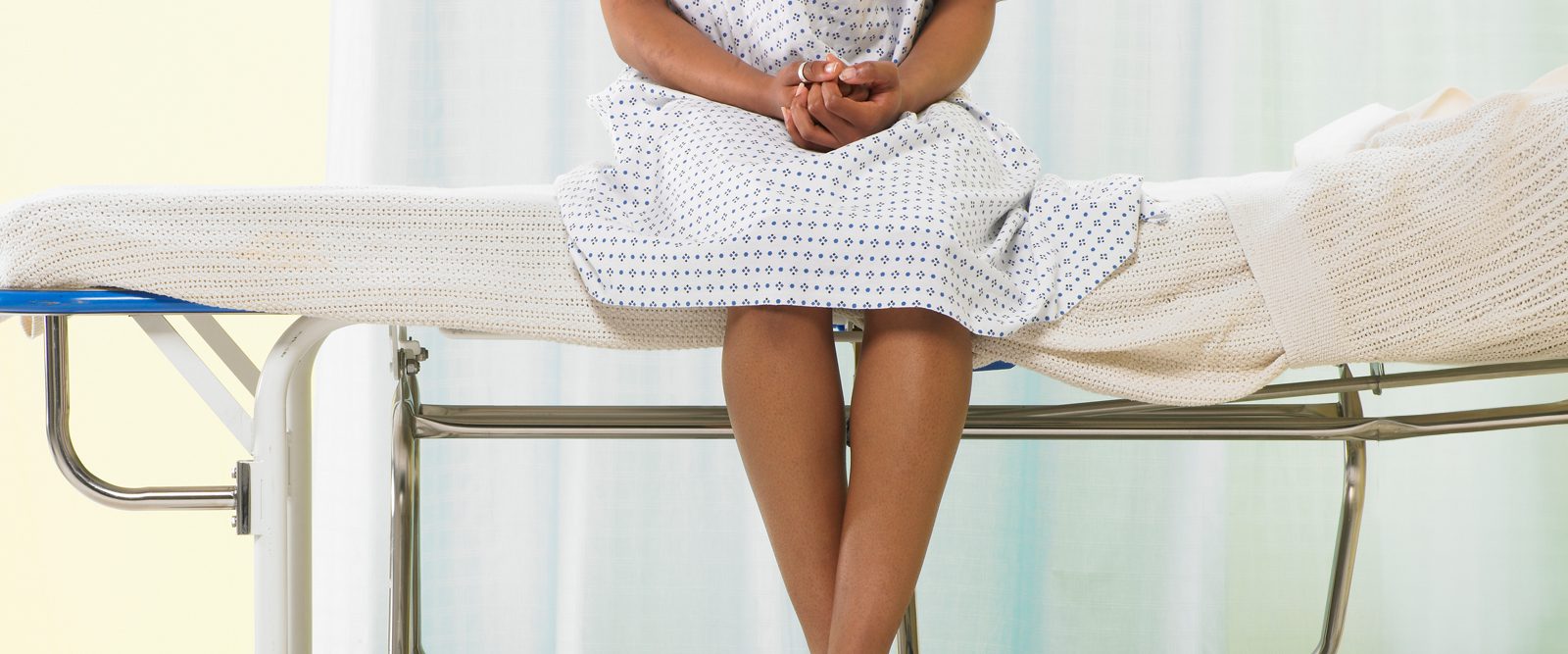
Dr. Schnoll-Sussman: Don’t worry about being embarrassed or exposed — you will wear a hospital gown, and a sheet provides extra covering. During the procedure, your gastroenterologist will be focused on a monitor displaying the inside of your colon, not on your backside.
How long does a colonoscopy take?
Dr. Schnoll-Sussman: A typical colonoscopy takes approximately 30 minutes. If polyps are found and need to be removed, it may take longer. Once the procedure is finished, you slowly wake up. Then you get dressed and meet with your gastroenterologist, who will tell you what they saw during the colonoscopy. If a biopsy was taken or a polyp removed, your doctor will contact you in a few days once the pathologist reviews the tissue sample.
What is recovery like after a colonoscopy?
Dr. Schnoll-Sussman: You can resume your normal life within 24 hours. You can eat and get back to a somewhat normal routine within an hour or two. You may experience some gas and abdominal bloating, but that dissipates within several hours. Be sure to arrange for an escort home, and plan to rest for the remainder of the day. You can resume work the next day.
A good question to ask after the test is “When do I need to do this again?” Current guidelines say that patients who have a normal, high-quality colonoscopy and who do not have a family history of colon cancer can wait up to 10 years before repeating the test.

The health and wellness newsletter you can trust
Featured Experts

Gastroenterology