



Fall Allergies: Symptoms, Causes and How to Find Relief
An ear, nose, and throat doctor shares five ways to prevent fall allergy symptoms and choose the most effective treatments.
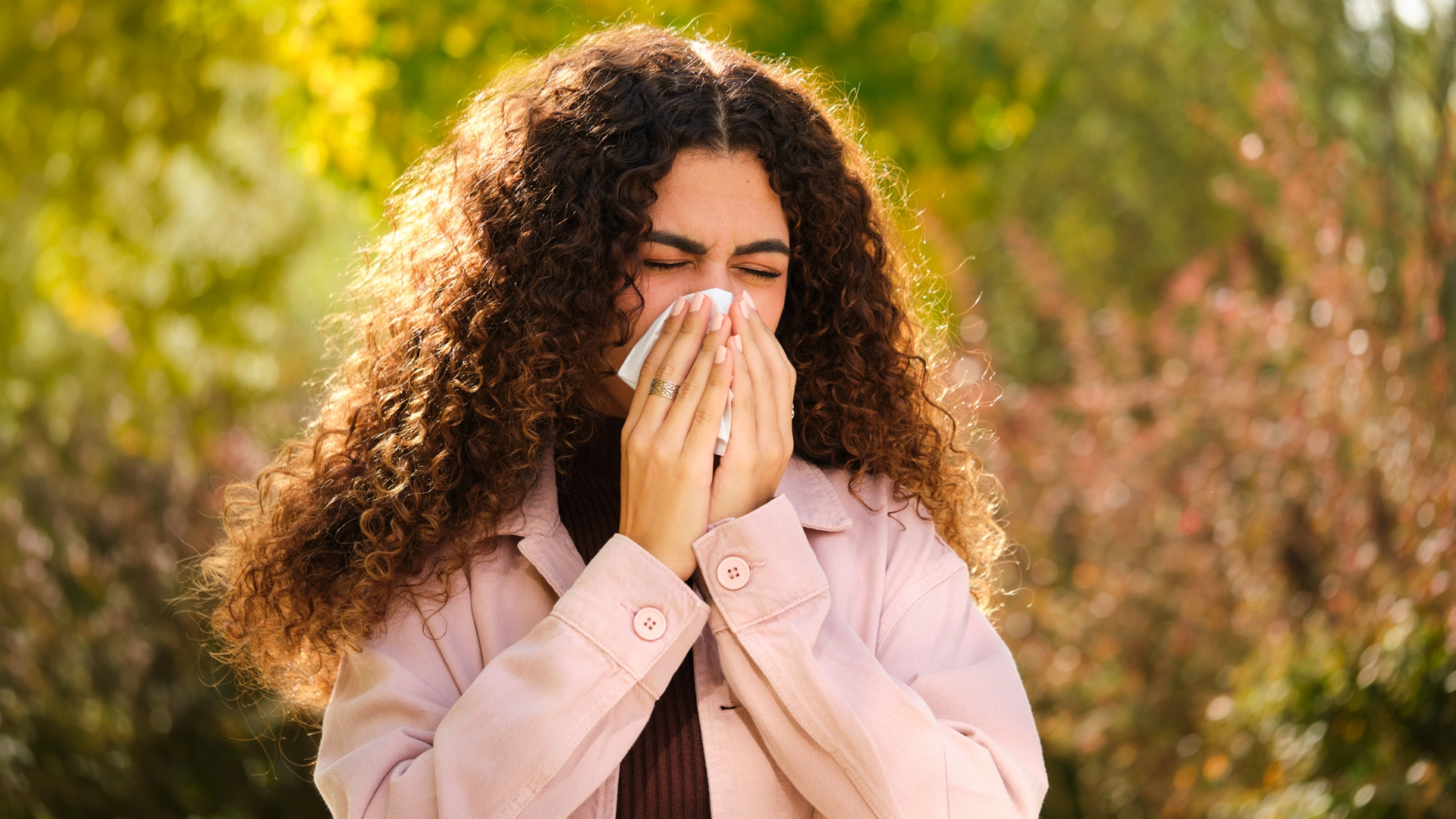
There are plenty of reasons to love autumn: crisp mornings, vibrant foliage and pumpkin spice lattes among them. But as the leaves start to change color, many people also find themselves battling nasal congestion, itchy eyes and fatigue due to fall allergies.
Seasonal allergies, also known as hay fever, occur at specific times of year when plants release pollen into the air, notably in spring and fall. In New York, seasonal allergies are most intense during two windows: April to May (triggered by tree pollen) and September to October (triggered by weed pollen). The biggest culprit of fall allergies is ragweed – a spindly, flowering plant that thrives anywhere from fields to roadsides to cracks in New York City sidewalks.
“Different people are susceptible to different allergens,” says Dr. David A. Gudis, an otolaryngologist and chief of the Division of Rhinology and Anterior Skull Base Surgery at NewYork‑Presbyterian and Columbia. “In New York, more people tend to experience spring allergies than fall allergies. But it’s important to recognize that there are numerous treatment options to help you feel better."
Dr. Gudis spoke with Health Matters and shared his biggest tips for relieving allergy symptoms this fall.
Explore Ear, Nose, and Throat Services at NewYork-Presbyterian
1. Start treatment before your allergies kick in
“I usually encourage patients to start their treatment regimen about a month before their seasonal allergies set in and continue treatment for a few weeks after the symptoms seem to resolve,” says Dr. Gudis.
For fall allergies, this might mean starting treatments in August and continuing use through November.
2. Prioritize nasal sprays in your allergy treatment regimen
“The first thing I recommend for patients is to use nasal sprays, which are usually more effective than oral antihistamines and tend to have fewer side effects,” explains Dr. Gudis.
Start with a combination of a nasal steroid spray, such as fluticasone, and a nasal antihistamine spray, such as azelastine. If symptoms persist, Dr. Gudis recommends adding a non-drowsy oral antihistamine, like loratadine, cetirizine, or fexofenadine.
If those treatments still aren’t enough to control allergy symptoms, it’s a good idea to see an allergist.
3. Pick one type of oral antihistamine and stick with it
There’s a common misconception that you should switch up the type of allergy medication you’re taking every couple of months, but there’s no evidence to support it.
“It’s more important that you’re consistent with the antihistamine that you do choose,” says Dr. Gudis. “It's not analogous to developing antibiotic resistance, where your allergens become used to that specific antihistamine.”
4. Shower at the end of the day to wash away allergens
Throughout the day, pollen can collect on your clothes, skin and hair. During allergy season, Dr. Gudis recommends showering at the end of each day and washing your outside clothes every time to avoid tracking allergens into your home and bed.
5. Don’t forget to clean out your AC unit
Temperatures can run high in New York into the fall. If you’re still running your air conditioning unit, Dr. Gudis says to make sure to clean the unit and replace or clean the air filters regularly. Using a HEPA filter can also help remove smaller airborne particles.
“Other ways to reduce allergen exposure include vacuuming and dusting frequently, removing carpets when possible, and washing bedding and linens more often," says Dr. Gudis.

The health and wellness newsletter you can trust
Featured Experts

Otolaryngology-Head & Neck Surgery