



4 Health Benefits of Pumpkin Spice, According to an Integrative Health Expert
An integrative medicine specialist explains how seasonal flavors like cinnamon, ginger and cloves support an anti-inflammatory diet.
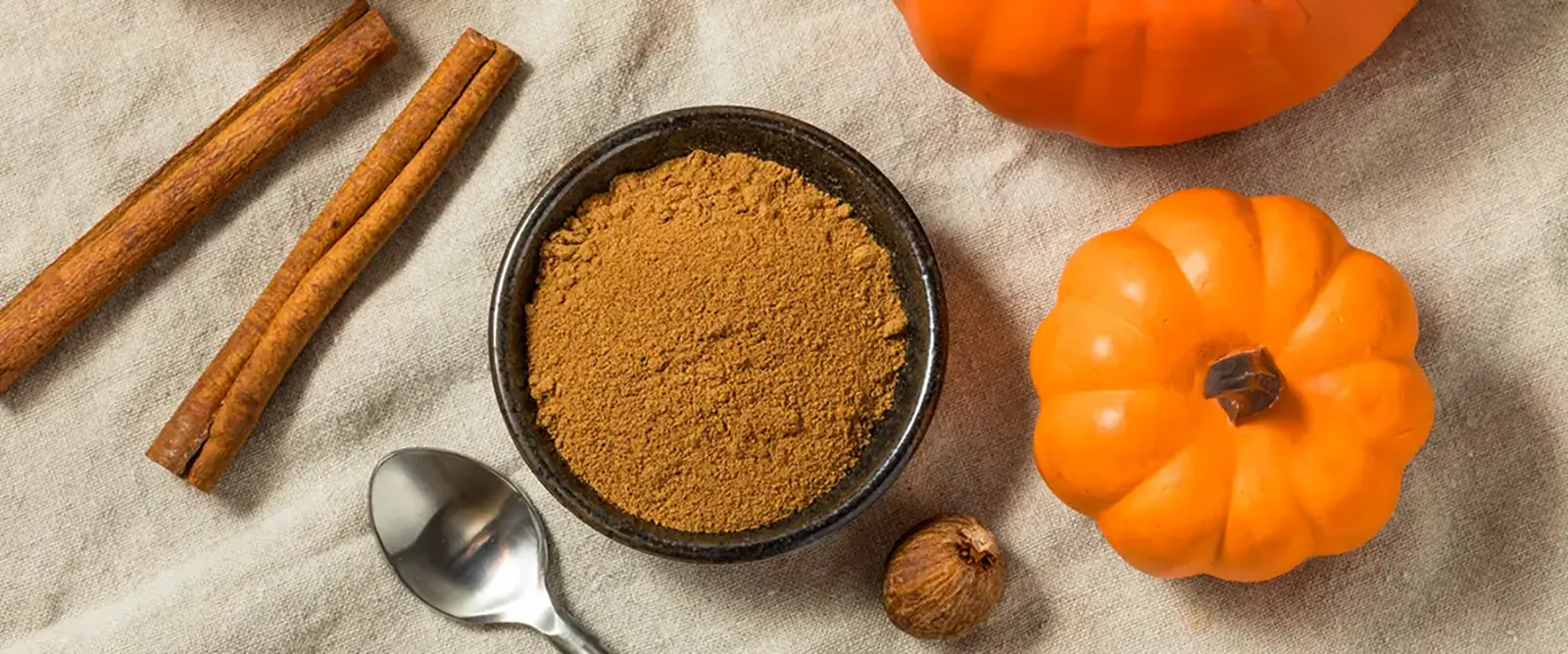
There are a few unmistakable signs that fall is here: leaves changing colors, a chill in the air — and pumpkin spice everywhere.
While pumpkin spice doesn't actually contain pumpkin, the blend — which includes spices like cinnamon, nutmeg, and ginger traditionally used to flavor pumpkin pie — is a seasonal favorite that is more than just comforting for the soul.
“Culinary spices have been used for centuries and are an important part of an anti-inflammatory diet," says Dr. Zachary Mulvihill, an integrative medicine specialist at NewYork-Presbyterian and Weill Cornell Medicine.
"Each spice has unique health benefits that are backed by modern research and particularly emphasized in Eastern medicine as a natural and safe way to help our bodies adjust to the current season and our health conditions."
Whether you’re sprinkling cinnamon and nutmeg into your pumpkin bread recipe or mulling apple cider with cloves and star anise, pumpkin spices bring both flavor and potential wellness benefits.
Explore Primary Care Services at NewYork-Presbyterian
1. Pumpkin spice supports an anti-inflammatory diet
Dr. Mulvihill: An anti-inflammatory diet is an eating style that emphasizes whole, nutrient-rich foods to help reduce chronic inflammation and lower the risk of certain diseases, like heart disease and diabetes.
Spices like clove and nutmeg are rich in naturally-occurring plant compounds that have antioxidant and anti-inflammatory properties.
Pumpkin spice works best as part of an overall healthy diet, which includes whole, biodiverse fruits and vegetables, nuts, seeds, and healthy fats, while minimizing processed foods, sugary drinks, and refined carbohydrates.
2. Pumpkin spice can help reduce added sugar
Dr. Mulvihill: Pumpkin spice's warm flavor profile can make foods taste sweeter without additional sugar.
Cinnamon not only gives a natural sweetness, but it also helps reduce the glucose spike if you eat sweet or processed carbohydrates. It’s a great example of a spice that has antioxidant, anti-inflammatory, antimicrobial and anti-tumor properties.
While one 2013 study found that cinnamon did not reduce blood glucose in patients with Type II diabetes, other studies have found that it can help decrease blood sugar, total cholesterol and triglyceride levels. Other research also suggests cinnamon can help alleviate period cramps, bad breath, tooth decay and arthritis.
It’s not a conclusive cure-all, but people should feel good about incorporating it into their recipes. The health impact depends on how you use it (think oatmeal or apples), since many pumpkin spice drinks and desserts can already be high in added sugar.
3. Pumpkin spice brings warmth and flavor to fall meals
Dr. Mulvihill: In traditional Ayurvedic and Chinese medicine, every food and every spice has either a warming or cooling effect on our body.
In the summer, we try to incorporate more cooling spices into our diet to help deal with the summer heat.
In the fall and winter, when the weather becomes colder, we gravitate towards warming spices like cinnamon, nutmeg and ginger. We also eat warmer, softer foods like soups and stews with seasonal vegetables like pumpkin. Adding pumpkin spices to warm foods and drinks can help ward off the flu and colds that come in winter months.
4. Pumpkin spice can help boost your immune system
Dr. Mulvihill: Many pumpkin spices are very good for immune health, which people may want to boost as we enter cold and flu season.
Shikimic acid, one of the main ingredients in an anti-viral medication (oseltamivir) that treats the flu, is synthesized from the star anise spice.
Every culture has their special soup that grandma makes, whether chicken soup or dahl or a black bean soup or a vegetable broth. Whatever it is, it usually has vegetables like garlic, onion, carrot, celery and different kinds of herbs and spices. Those anti-inflammatory plant foods and spices, along with some love, can help people feel better.
The Power of Pumpkin Spice
The pumpkin spice blend can include some of these warm, earth spices that support overall wellness:
- Cinnamon: Antioxidant, anti-inflammatory, antimicrobial, supports cardiovascular health
- Ginger: Anti-inflammatory, helps with nausea
- Nutmeg: Antioxidant, anti-inflammatory
- Clove: Antioxidant, supports pain relief
- Allspice: Anti-inflammatory, supports digestive health
3. Pumpkin spice brings warmth and flavor to fall meals
Dr. Mulvihill: In traditional Ayurvedic and Chinese medicine, every food and every spice has either a warming or cooling effect on our body.
In the summer, we try to incorporate more cooling spices into our diet to help deal with the summer heat.
In the fall and winter, when the weather becomes colder, we gravitate towards warming spices like cinnamon, nutmeg and ginger. We also eat warmer, softer foods like soups and stews with seasonal vegetables like pumpkin. Adding pumpkin spices to warm foods and drinks can help ward off the flu and colds that come in winter months.
4. Pumpkin spice can help boost your immune system
Dr. Mulvihill: Many pumpkin spices are very good for immune health, which people may want to boost as we enter cold and flu season.
Shikimic acid, one of the main ingredients in an anti-viral medication (oseltamivir) that treats the flu, is synthesized from the star anise spice.
Every culture has their special soup that grandma makes, whether chicken soup or dahl or a black bean soup or a vegetable broth. Whatever it is, it usually has vegetables like garlic, onion, carrot, celery and different kinds of herbs and spices. Those anti-inflammatory plant foods and spices, along with some love, can help people feel better.

The health and wellness newsletter you can trust
Featured Experts

Internal Medicine