
What Is Seasonal Affective Disorder (SAD)? A Psychologist Explains Symptoms, Causes and Treatment
Understand the difference between seasonal affective disorder and the winter blues, common SAD symptoms and causes, and treatments that can help, from light therapy to counseling.
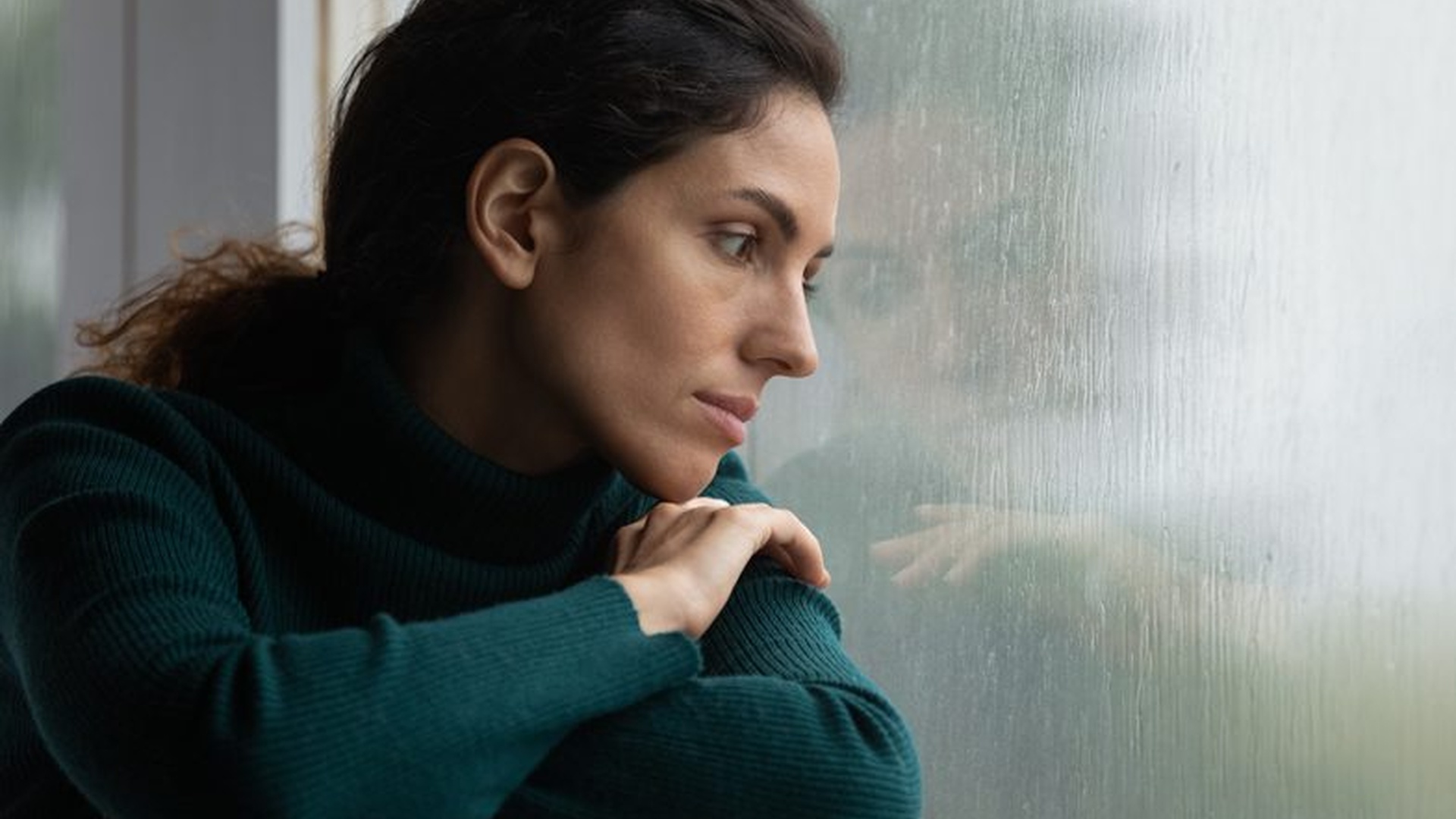
While some welcome the changing leaves of fall or snowy winter day, for others, seasonal change can bring on uncomfortable symptoms like difficulty waking in the morning, daytime fatigue and feelings of depression. While common, these can also be symptoms of seasonal affective disorder, or SAD, a subsection of a major depressive disorder with a seasonal pattern — a type of depression that comes and goes with the seasons. Onset typically begins in late fall and early winter, when temperatures drop and days are shorter, and can continue through spring.
“If the feeling of being ‘down’ or the lack of energy is lasting more than a few weeks, making it hard to do your typical everyday routine, or creating a significant amount of distress, it may be a sign that it’s not just the winter blues, but something more serious that warrants speaking with a mental health professional,” says Dr. Jin Lee, psychologist at NewYork-Presbyterian / Columbia University Irving Medical Center.
Health Matters spoke with Dr. Lee about ways to identify and treat the symptoms of seasonal affective disorder, and how to fight seasonal depression.
Explore Mental Health Services at NewYork-Presbyterian
What is seasonal affective disorder, or SAD?
Dr. Lee: Seasonal affective disorder is a form of depression in which people experience symptoms of depression in a seasonal pattern – typically in the fall or winter months when the weather is getting a little bit colder and there’s less light. Then, as the seasons change again, their depressive symptoms typically decrease or go away, and they start feeling like themselves again.
What are the symptoms of seasonal affective disorder?
Dr. Lee: Some symptoms to watch for:
- Mood changes including a sad or “low” mood, lack of energy, feelings of emptiness or hopelessness, and irritability.
- Difficulty falling or staying asleep.
- Problems making decisions or concentrating.
- Feeling restless.
- Experiencing disruptions to relationships or the ability to go to work or school.
- Some people may also experience increased thoughts of death, including thoughts of self-harm or suicide.
If you are in crisis, please call the 988 Suicide & Crisis Lifeline, or contact the Crisis Text Line by texting HOME to 741741.
Is it SAD or just winter blues?
Dr. Lee: The Diagnostic and Statistical Manual of Mental Illnesses, or DSM-5, highlights that SAD has a seasonal pattern and can be severe. Its symptoms are more than just feeling sad or down; it impacts a person’s life and daily functioning.
People with seasonal depression tend to follow the same pattern each year, feeling depressed during the fall and winter, or less commonly, spring and summer, but feeling well the rest of the year. If you’ve experienced this pattern for at least two years in a row, it’s possible you may have seasonal depression.
What causes it?
Dr. Lee: It’s not fully understood but may have something to do with reduced amounts of sunlight affecting serotonin, the neurotransmitter that helps us regulate our moods, and melatonin, the hormone that makes us sleepy. Lower levels of serotonin may have a connection with an increased risk for depression. Melatonin naturally follows the rhythmic light pattern, kicking in toward the end of the day when it gets dark. And so, during winter with those longer durations of darkness, people with seasonal affective disorder may have increased melatonin, meaning they’re sleepier and more tired, which can also increase the risk of depression.
Serotonin and melatonin help maintain the body’s rhythm and night-day cycle. For people with seasonal affective disorder, these changes disrupt the normal daily rhythms, and they have a harder time adjusting to the seasonal changes, like the shorter days.
Your circadian rhythm, or the body’s biological clock, may also get disrupted by less sunlight, which can also lead to symptoms of depression.
How common is seasonal affective disorder?
Dr. Lee: Seasonal affective disorder is estimated to affect 5% of adults in the United States. The disorder affects women four times more than men, and usually begins between the ages of 18 and 30, though children can suffer too. Those diagnosed with seasonal affective disorder experience major depression seasonally for at least two consecutive years. But there are significant geographic differences, especially in latitude since winter nights are hours longer in the north than in the south.
Who is most at risk for developing seasonal affective disorder?
Dr. Lee: We aren’t sure why, but women are more likely to suffer from seasonal affective disorder than men. And people with a history of depression or the seasonal pattern of even just feeling down are also more likely to experience the symptoms as well.
Seasonal affective disorder is less common in young children and at puberty, there is an increase for girls, but not boys.
When is it time to see a doctor?
Dr. Lee: If you’re noticing that you’re feeling down and sleepier, and you’re having these symptoms of seasonal affective disorder lasting more than two weeks, you should reach out to your health care provider or therapist and let them know what’s going on.
They may do a full clinical interview with you and discuss the seasonal pattern, the severity of the symptoms, what you’ve tried and what works to help with diagnosis and treatment recommendations.
How is seasonal affective disorder treated?
Dr. Lee: Light therapy — from a box that emits bright light, at the level of natural outdoor light shortly after sunrise — is the primary, best-investigated, and most successful intervention. It is a home-based treatment, recommended to be done immediately upon getting out of bed. People who find the light box effective find it effective very quickly and will usually see an improvement within a few weeks.
In addition, there are behavioral and routine things we can do to help depression, like getting up and moving around. Try to be regular with your eating and sleeping habits. Exercising is helpful for depression and mood.
And even if it’s cold, try to get outside for at least 20 minutes to get some sunlight and be active. It’s easy to hunker down and turn down plans, but it’s important to go out. Make plans with friends, family and do things that you would normally do and try not to let the weather limit you, because all these interactions may help with your mood, in addition to other treatments.
If lifestyle changes are not helping, seeking professional help is a great place to start. Your provider may recommend a mix of cognitive behavioral therapy (CBT) and/or medication.
Is taking vitamin D supplements a recommended therapy?
Dr. Lee: Vitamin D isn’t found to be directly linked to seasonal affective disorder. That said, these levels decline in winter both for people who experience symptoms of seasonal affective disorder and those who don’t. The common cause is reduced outdoor daylight exposure. While there is no convincing evidence that Vitamin D is therapeutic for seasonal affective disorder, many North Americans do have low levels of Vitamin D and you can check with your health care provider to see if a supplement is recommended.
What’s the most important message you have for those suffering from seasonal affective disorder?
Dr. Lee: It’s normal to have feelings about the seasons changing, whether that’s excitement or dreading the cold weather. But it’s when the dread sticks, and you don’t feel like yourself for an extended period of time, is when we get concerned. If you feel like your regular life is being impacted because of your low mood or energy, you don’t have to suffer. Don’t hesitate to reach out to your doctor or a mental health professional who will work with you to figure out the best course of action to help you feel better.

The health and wellness newsletter you can trust
Featured Experts