



What To Know About Hepatitis B
A liver expert explains why everyone get tested for the hepatitis B virus and the symptoms of and treatment for the liver infection.
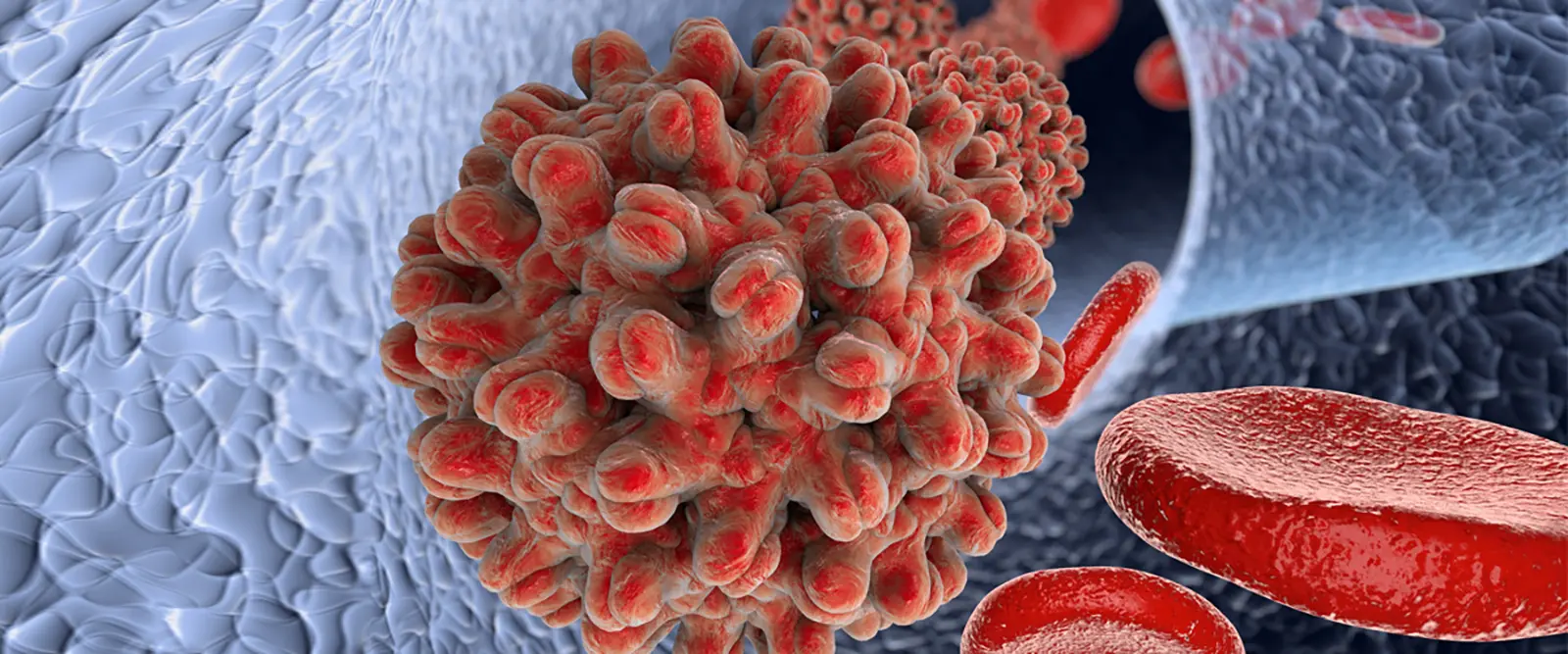
An estimated 580,000 to 2.4 million people in the United States are living with chronic hepatitis B virus (HBV), but most may not know they have the liver infection, according to the Centers for Disease Control and Prevention (CDC). When an adult contracts it, hepatitis B is often a short-term illness, but for some people, the virus can cause long-term infection leading to chronic liver disease, liver damage, scarring, or liver cancer.
“It may take a long time for someone to develop symptoms from hepatitis B, and that’s the scary part,” says Dr. Anthony Junsung Choi, transplant hepatologist at NewYork-Presbyterian/Weill Cornell Medical Center. “By the time someone feels ill effects from liver damage, their liver might already be too scarred, and they might need a transplant.”
Health Matters spoke with Dr. Choi, who is also an assistant professor of medicine at Weill Cornell Medicine, to learn more about hepatitis B and its symptoms, treatment, and prevention.
Explore Transplant Services at NewYork-Presbyterian

Dr. Anthony Junsung Choi
What are the recommendations for hepatitis B screening?
Dr. Choi: The CDC recommends that:
- All adults 18 years and older get screened at least once in their life, using a triple panel test.
- Pregnant people get screened during each pregnancy regardless of vaccination status and history of testing.
- Periodic risk-based testing be done for people who are incarcerated, people with a history of sexually transmitted infections or multiple sex partners, and people with hepatitis C virus infection.
- Testing be provided to anyone who requests it, regardless of disclosure of risk.
The triple panel test, which includes three tests, will tell you whether you’re vaccinated, if you have an active infection, or if you have a chronic infection. It is widely available and can be done along with other blood tests you may get during a doctor’s visit.
It’s also important for patients who are on immunosuppressive medications or those with diseases such as cancer or rheumatologic or autoimmune conditions to know their hepatitis B status, as the virus can flare up with their therapies or treatment.
What is hepatitis B, and what are its symptoms?
Hepatitis refers to either inflammation or infection of the liver. Hepatitis A, B and C are three different viruses that can infect the organ.
With hepatitis B, you can have a short- or long-term infection. Most people don’t have symptoms, and if they do, it may feel similar to the flu.
Acute hepatitis B is a short-term infection: A person is sick for a few weeks or months, and their body may clear the virus. Symptoms can include:
- Fatigue
- Fever
- Headache
- Nausea
- Vomiting
- Abdominal discomfort
- Light-colored stools
- Dark urine
- Yellow skin and eyes
Chronic hepatitis B is the long-term illness, in which the virus persists after the acute phase. You could live with it for decades without knowing you have it. You might feel completely fine, and symptoms might not appear until it becomes late-stage liver disease. Some symptoms include:
- Fatigue
- Abdominal discomfort
- Yellow skin and eyes
- Fluid buildup in the abdomen or legs
- Encephalopathy, a neurological disorder with symptoms including confusion due to toxins from liver disease
After years of infection with no treatment, your liver eventually harbors damage to the point of developing cirrhosis, or scarring.
Think about it like a cut on your skin. Your body stops the bleeding by closing up the wound. There may be a scar, but usually it’s minimal. But if you keep getting cut in the same place over and over, that scar tissue might never go away. It’s similar with chronic hepatitis: While the liver can regenerate, it becomes overwhelmed over time, and there isn’t enough tissue. That’s when you can get cirrhosis, or end-stage liver disease.
If you have hepatitis B, you’re also at risk for liver cancer. The virus causes repeated damage to your liver cells, leading to cancer cell mutation.
How is it spread?
Hepatitis B is typically transmitted through contact with the blood and body fluids of an infected person via:
- Sexual contact
- Sharing needles or syringes
- Sharing other items that may have blood on them, such as razors or toothbrushes
- Mother-to-child transmission during birth
- Direct contact with blood (e.g., healthcare workers treating infected patients)
If you have hepatitis B, you’re also at risk for liver cancer. The virus causes repeated damage to your liver cells, leading to cancer cell mutation.
How is hepatitis B treated?
There is no cure for hepatitis B, but there is treatment.
Individuals with chronic hepatitis B can take medicine once a day. Typically, it is for the rest of their life, to keep the virus at low levels and prevent other issues in the liver. For acute hepatitis B, treatment is dependent on the symptoms and is usually supportive, such as bed rest or fluids, but if the illness is severe early on, antiviral medicines may be administered. When potential exposure is immediately known, the vaccine as well as antibodies may be administered within 24 hours to prevent transmission.
Can hepatitis B be prevented?
Hepatitis B can be prevented through vaccination.
It’s recommended that all newborns and children be vaccinated against the virus. The younger a person is when infected with the virus, the greater their chances of developing chronic hepatitis B. About 9 in 10 infants who become infected can develop the lifelong illness, according to the CDC. The risk decreases as a child gets older, and most children over 6 and adults who get infected do not develop chronic infections.
In 2022, the CDC also recommended hepatitis B vaccination for all adults ages 19 to 59, and adults over 60 who are at risk.
To avoid infection and spread:
- Practice safe sex.
- Don’t share needles.
- Don’t share items such as toothbrushes or razors.
- Wear disposable gloves when handling blood.

The health and wellness newsletter you can trust
Featured Experts

Transplant Hepatology