



Stories by
Julia Chang

Orthopedics & Sports Medicine
What Is Frozen Shoulder?
A common but painful condition of the shoulder joint that disproportionately affects women, orthopedic experts explain how to diagnose and treat frozen shoulder.

Preventative Care
7 Ways to Boost Your Immune System
These simple lifestyle changes can help you stay healthy and bolster immunity.

Patient Stories
Reaching the Other Side of Darkness, Building a Beautiful Life in Recovery: Austin Addison’s Story
After substance use and an untreated mental health disorder upended his life, Austin decided to enter NewYork-Presbyterian Westchester Behavioral Health’s addiction rehabilitation program. Today, he lives a life of purpose in sobriety.
This story contains content about self-harm, suicide, addiction.
This story contains content about self-harm, suicide, addiction.

Breast Cancer
How This Artist and Mom Beat Metastatic Breast Cancer: Kiley Durham’s Story
When triple-negative breast cancer spread to her brain and then her spinal fluid, Kiley believed she only had months to live. Her NewYork-Presbyterian care team refused to give up, tailoring a treatment plan that helped her beat the odds.

Head Injuries
Can Concussions Lead to Parkinson’s Disease?
Concussions in sports are known to have a long-term impact on athletes’ health, but does that include Parkinson’s disease? NewYork-Presbyterian experts provide insight on whether they can raise the risk of this neurological condition and what to know about the impact of repeated head injuries.

Stress Reduction
Why Pets Are Good for Your Mental Health
Furry friends create plenty of positive emotions. A NewYork-Presbyterian psychologist explains some of the science behind how pets can benefit our health.
Children's Health
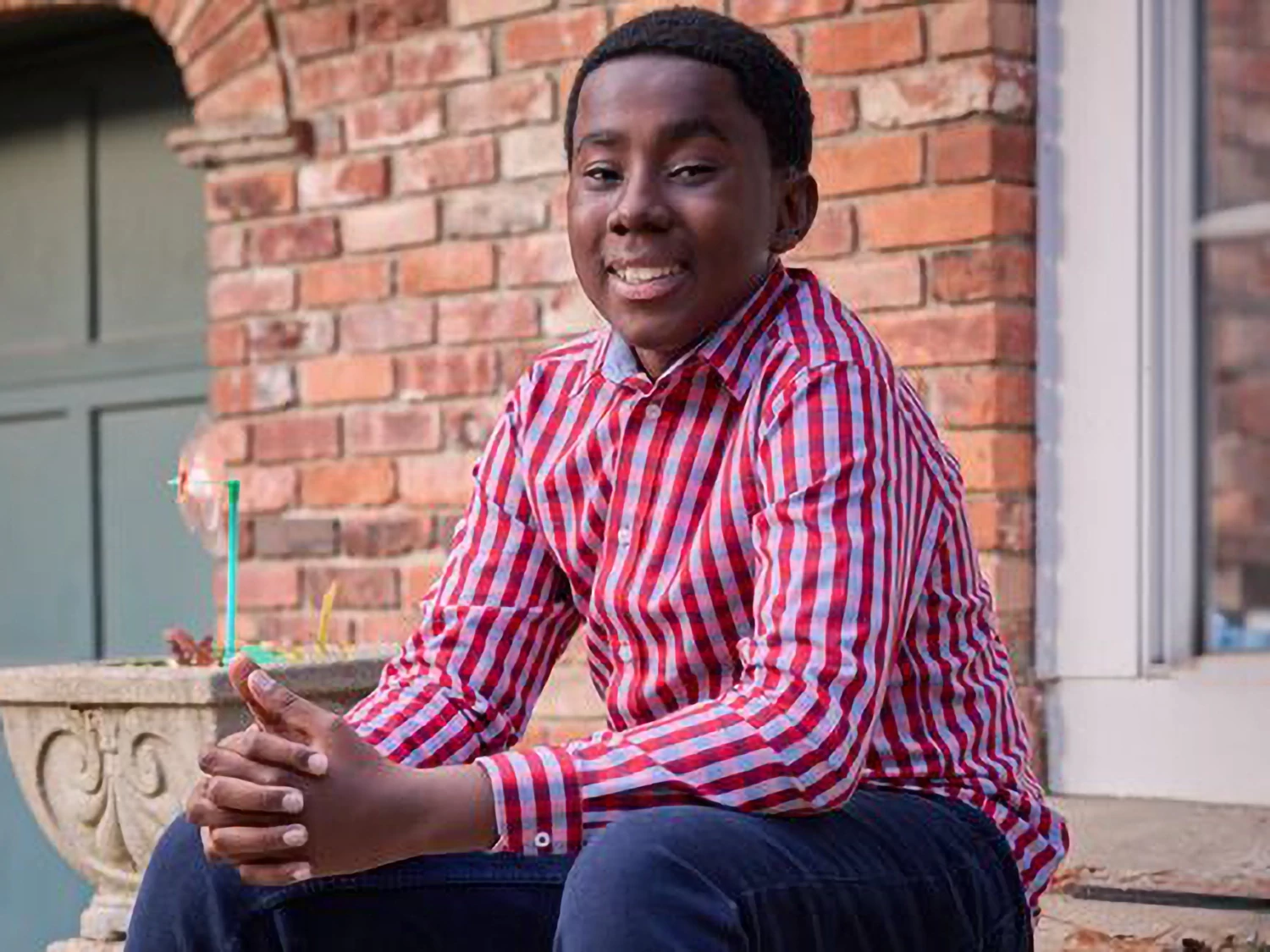
A Teen Finds Hope in a Breakthrough Sickle Cell Therapy
Jonathan Lubin’s young life was spent in and out of hospitals because of his sickle cell disease. But a new gene-editing therapy offered him the possibility of a life without pain crises.
Patient Stories
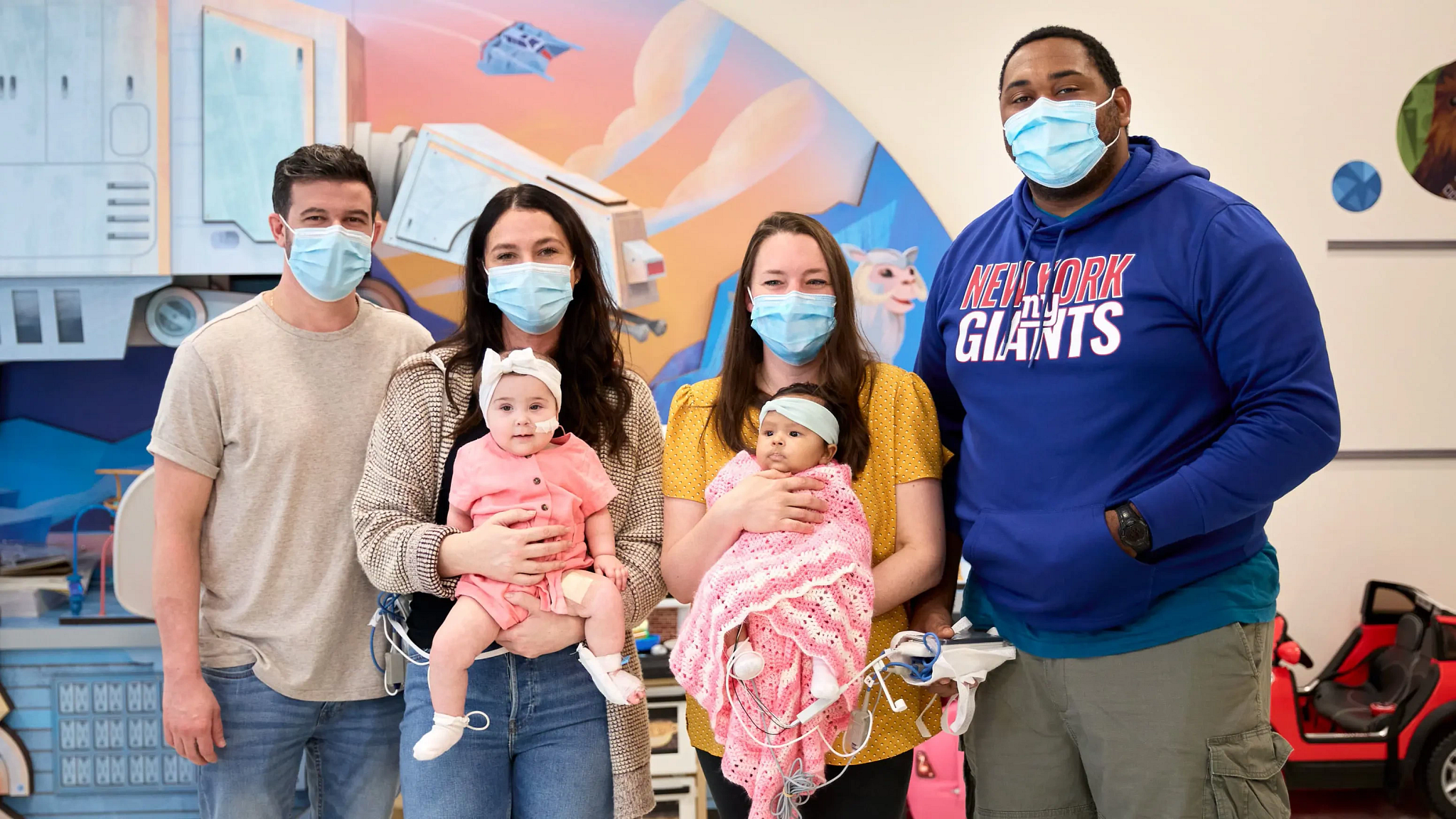
Saving Two Babies’ Lives With One Pioneering Approach to Heart Valve Transplantation
In a first-of-its-kind “domino” transplant in infants, cardiac surgeons at NewYork-Presbyterian Morgan Stanley Children’s Hospital of Children's Hospital of New York performed a heart transplant in one baby, and then transplanted valves from her old heart into another infant — saving two lives and paving the way to save more.

Common Conditions
What Is Disordered Eating?
Fad diets are everywhere, but that doesn’t mean they’re healthy. An expert explains how to spot the signs of problematic eating patterns.
Patient Stories
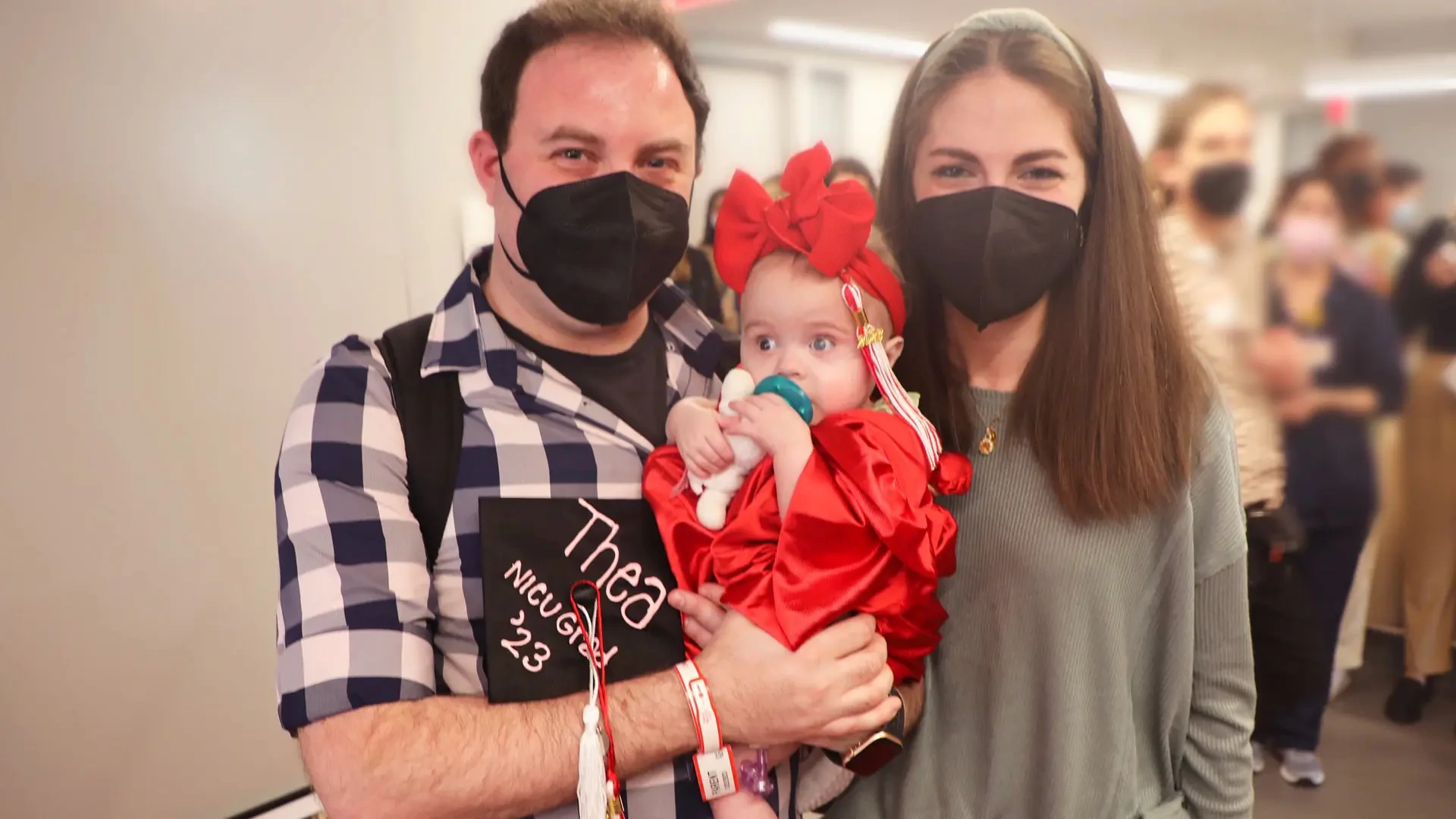
A Special NICU Graduation: After 336 Days in the NICU, Thea Rosch Goes Home!
After spending the first 11 months of her life being treated for a rare blood-cell disorder, Thea Rosch was finally able to leave the neonatal intensive care unit — with a big send-off from her NewYork-Presbyterian care team.
