



Understanding Gambling Disorder: Symptoms, Health Impacts and Treatments
An addiction psychiatrist explains the causes of gambling disorder, treatment options and the importance of reducing stigma.
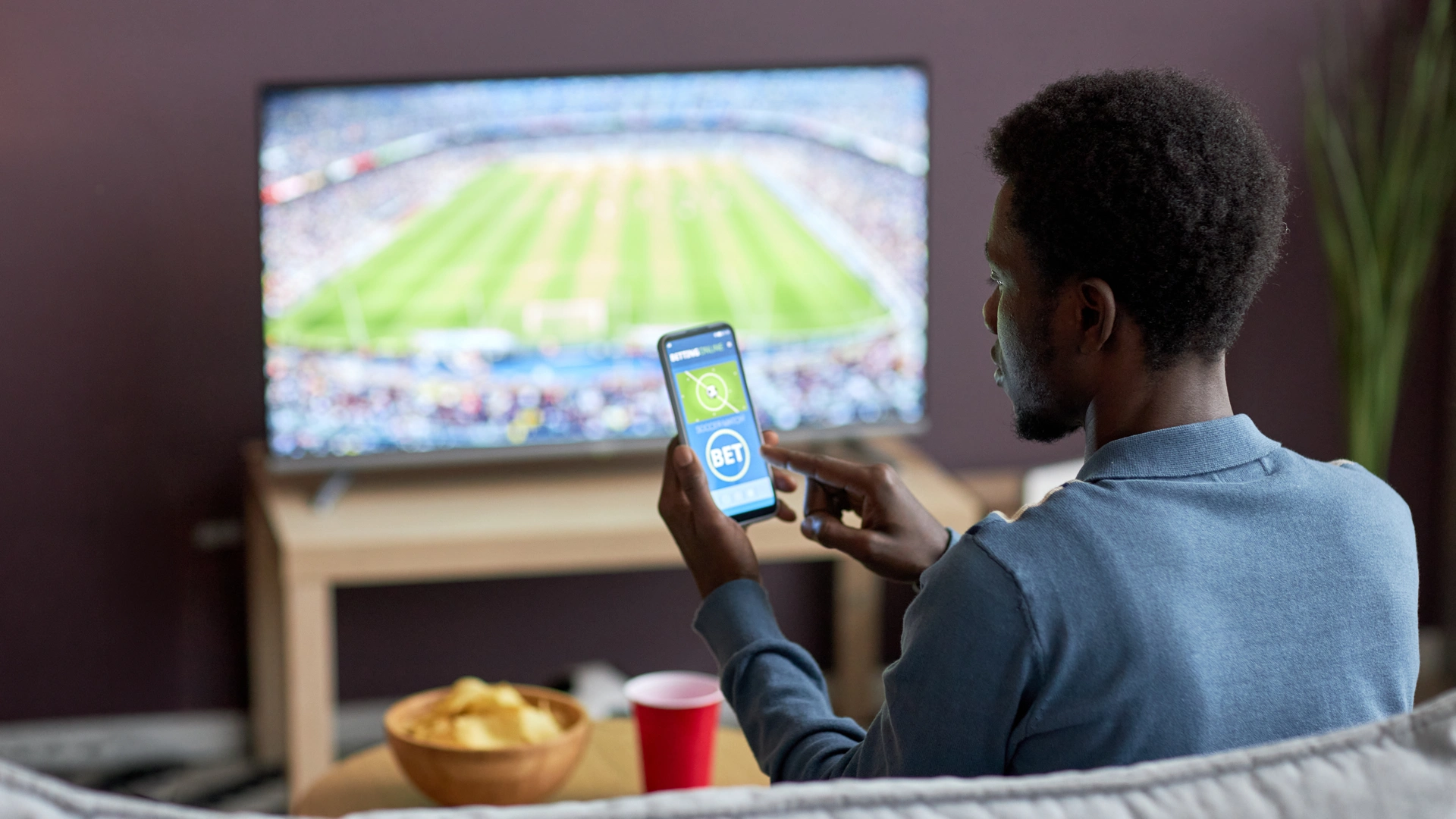
For sports fans, fall is an exciting time of year. As football season kicks off, and baseball heads towards the playoffs, millions of Americans will be watching their favorite teams and placing bets on high-stakes sporting events. But when does placing a few wagers for fun become addictive and a serious health condition?
“When you go from betting just for kicks to it affecting your livelihood, that’s when we encourage people to seek help for gambling disorder,” says Dr. Nasir Naqvi, an addiction psychiatrist at NewYork-Presbyterian/Columbia University Irving Medical Center and director of the Columbia Gambling Disorder Clinic.
Gambling disorder is a behavioral addiction defined by an uncontrollable urge to wager despite known negative consequences. This can include frequently betting on sports or playing lottery games such as drawings or scratch-offs, gambling at casinos and gaming online.
Gambling disorder and substance use disorders are both marked by a loss of control, but there are important distinctions. “People don’t develop a physiological dependence on gambling,” says Dr. Naqvi. “It’s not a chemical you’re putting into your body that your cells get used to like with drugs or alcohol, but rather a behavior and a distorted reality you get used to instead. Gambling is considered its own substance.”
Dr. Naqvi spoke to Health Matters about gambling disorder, how to recognize it in a loved one and the promise of treatment and recovery.
Explore Mental Health Services at NewYork-Presbyterian
The Causes of Gambling Disorder
“The obvious cause of gambling addiction is the gambling itself,” says Dr. Naqvi. “But there are some predisposing factors.”
Having a personal history of trauma, a family history of addictive disorders or certain psychiatric disorders can put someone at greater risk. A person’s financial standing also plays a role — though all socioeconomic groups are susceptible to gambling disorder. In fact, a recent study by the National Council on Problem Gambling found nearly two-thirds of adults participated in at least one form of gambling before the age of 21.
How Gambling Affects the Brain
Inside the brain, rates of dopamine — a neurotransmitter that controls one’s motor system, mood and behavior — naturally fluctuate based on a person’s actions. The more a person gambles and comes up short, the more they repeatedly stimulate the dopamine system and fall into a cycle of feeling like they can master the rules and keep going.
“Gambling operates on unpredictability,” says Dr. Naqvi. “Any behavior that is recurrently unpredictable and uncertain that also results in a reward helps create a condition that feeds the dopamine cycle.”
Dr. Naqvi adds that people run into trouble after they nearly win and begin to convince themselves that they can and will eventually win.
“When you go from betting just for kicks to it affecting your livelihood, that’s when we encourage people to seek help for gambling disorder.”
The Signs and Symptoms of Gambling Disorder
Classic markers of gambling disorder include:
- Spending more time gambling than with loved ones.
- Gambling away savings to the point of going into debt.
- Fixating on betting money to make money.
- Gambling to counter problems at work or with relationships.
Other telltale signs are stealing or covering up unexplained financial losses, or experiencing increased irritability, anxiety or depression. However, “these common behavioral symptoms aren’t necessarily signs of gambling disorder by themselves, so they should be viewed with caution,” emphasizes Dr. Naqvi. “Someone typically has a problem if they’re gambling with money they don’t have, especially to pay off big expenses, or they’re continually chasing losses.”
How Gambling Disorder Is Diagnosed and Treated
The most common pathway to diagnosis is typically through a spouse, parent or concerned significant other. Once a person shows clear signs of gambling disorder and is willing to seek treatment, they undergo a clinical exam to determine whether their gambling behaviors meet the diagnostic criteria that would signal addiction.
From that point, treatment strategies include counseling techniques such as cognitive behavioral therapy or motivational interviewing, 12-step meetings and group therapy. Medications can also be effective, but psychotherapy is the first line of treatment.
Family training is another option. A loved one who expresses concern can become an instrument of motivation, attending weekly support sessions to learn how to use their personal relationship with the patient to encourage change.
Recovering from Gambling Disorder
It is important to view gambling disorder as a medical diagnosis, not a shortcoming in one’s personality — a necessary distinction, according to Dr. Naqvi: “The problem is not one of moral weakness or lack of character, just like we’ve moved away from identifying someone as an ‘alcoholic’ versus someone with ‘alcohol use disorder.’”
That said, the current environment is a complicated one. Whereas gambling used to require a person physically to go somewhere such as a casino or offtrack betting location, the advent of smartphone and online sports betting has made the experience easier and more integrated. “Instead of just watching a sporting event, you can now bet on that event in real time and remain continuously engaged,” warns Dr. Naqvi. “That’s a big part of the toxicity, especially in this era of compulsively consuming information.”
But for those struggling, the promise of recovery is tangible: “The ultimate goal is to help someone stop gambling altogether,” says Dr. Naqvi. “Everyone with an addiction wishes to moderate and not abstain, and though this only works for a minority of people seeking treatment, there is always hope.”
Additional Resources
If you or someone you know has a gambling problem, visit the Columbia Gambling Disorder Clinic or the New York State HOPEline at 1-877-8HOPENY.

The health and wellness newsletter you can trust
Featured Experts
Addiction Psychiatry