



How Does Bird Flu Spread to Humans? What to Know About Avian Influenza
Infectious disease experts explain the potential risk of bird flu to humans and how to protect yourself.
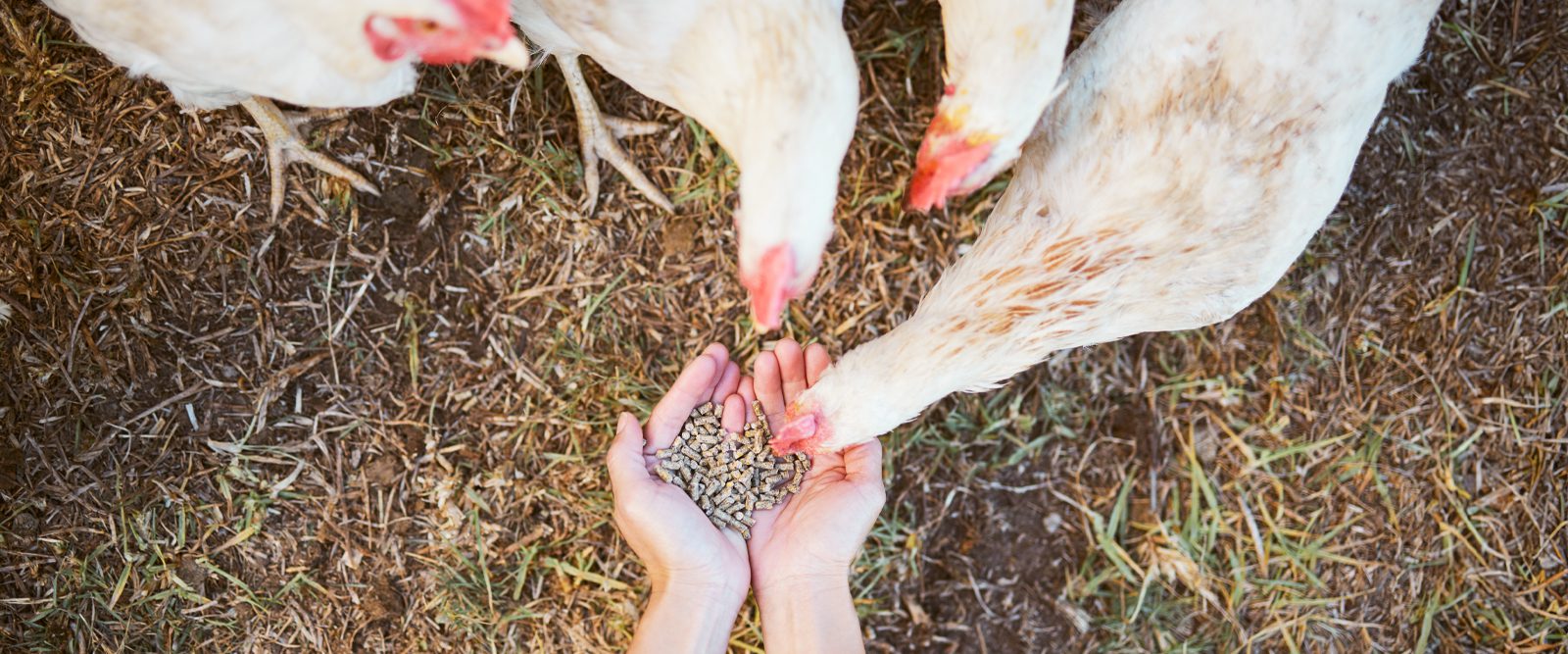
Rising egg prices from recent outbreaks of avian influenza in poultry and dairy cows have raised concerns about the disease commonly known as bird flu. Bird flu typically spreads among wild birds and other animals like dairy cows and domestic poultry. Though human-to-human transmission has not been reported, people in the United States have been infected. How does bird flu spread to humans, and how can you protect yourself?
“There is no reason for people to panic, but the general population should pay attention to developments as the situation is fast-moving and we do have to be prepared,” says Dr. Marcus R. Pereira, medical director of the Transplant Infectious Diseases Program at NewYork-Presbyterian/Columbia University Irving Medical Center. “Get the regular flu vaccine to limit opportunities for the bird flu to mutate, stay informed, wash your hands, and try to minimize contact with wild animals as much as possible.”

Dr. Magdalena Sobieszczyk
“While the public health risk remains low at this time, the CDC is following the situation very closely,” says Dr. Magdalena Sobieszczyk, chief of the Division of Infectious Diseases at NewYork-Presbyterian/Columbia University Irving Medical Center. The CDC is utilizing its flu surveillance system to track cases in humans and are working with states across the U.S. to help monitor people most at risk at this time, such as those who have been exposed to infected birds, or other animals, or environments with animals infected with the bird flu.
Health Matters spoke with Dr. Sobieszczyk and Dr. Pereira on what to know about the bird flu, such as the strains that are infecting humans, signs and symptoms, and whether it is safe to consume eggs and commercial milk.
1. The bird flu has not yet spread from human to human. Prolonged contact with infected animals put humans at risk.

Dr. Marcus R. Pereira
Dr. Sobieszczyk: There are many types of bird flu, but the most common are H5N1 and H7N9 bird flu viruses, which are found in wild birds. How does bird flu spread to humans? People become infected with the bird flu from close or prolonged unprotected contact with infected birds or animals. So far, the virus has not spread from human to human. One person who was infected in Missouri had no immediate exposure to animals, but is recovered now and there was no ongoing transmission among close contacts, according to the CDC.
Dr. Pereira: Every influenza pandemic in the 20th century has originated from animals, whether swine or bird, and the virus rearranges itself to then effectively infect humans.
A recent study found that it only takes a single mutation in the H5N1 virus found in dairy cattle and birds to make humans susceptible to the virus.
We don’t know how easy it is for that mutation to take place for the virus to become specific to humans, but it seems that the barrier for it to happen is not as high as we think it is, and that could pose a real risk.
We must seriously entertain the possibility that human-to-human transmission can happen, and then consider how severe it will be. A recent CDC report found three undetected cases in veterinarians working with cattle, including in states where dairy herds have not tested positive. This is a little bit disconcerting because it found that you can have silent infections in both cows and in humans, as none of the veterinarians who tested positive for a recent infection reported any flu-like symptoms. It underscores the importance of surveillance systems to fully understand what’s happening. It’s more widespread in animals, certainly more widespread than we think.
2. In humans, bird flu symptoms can range from mild to severe.
Mild symptoms include:
- Eye redness consistent with what we call conjunctivitis
- Fever
- Cough
- Sore throat
- Muscle aches
- Fatigue
Dr. Sobieszczyk: In more severe cases, the bird flu can cause respiratory infection, such as bronchitis, pneumonia, and respiratory failure, where the lungs get so inflamed that it is impossible for them to process oxygen. People may experience the same range of symptoms in traditional influenza A and influenza B, which is why we encourage people to get the flu vaccine to help prevent serious complications. Preventing seasonal influenza, especially in people who are exposed to the bird flu like farm workers, may reduce the risk of new strains of influenza emerging.
Explore Infectious Disease Services at NewYork-Presbyterian
3. Cooked eggs, poultry, beef, and commercial milk supply is safe to consume, says the CDC.
Dr. Pereira: Regardless of bird flu, eating raw or undercooked meat can make you sick. At this time, eating well-prepared and well-cooked meats is still safe. There could be a risk of raw beef or poultry having influenza, so people should handle them very carefully and cook any meat thoroughly.
The CDC shares recommended temperatures for cooking poultry and beef, which kills bacteria and viruses, including avian influenza A viruses.
The same with eggs. There’s a potential for eggs to have influenza, but if you cook them thoroughly and wash your hands after handling raw eggs, it should still be safe.
For pet owners, be mindful of the food you’re giving them, as there have been recent reports of contaminated cat and dog foods.
Dr. Sobieszczyk: In April 2024, concerns about bird flu in milk surged after strains were detected in samples of unpasteurized milk. But because the milk in grocery stores go through a pasteurization process, the U.S. Food and Drug Administration (FDA) said it is safe to consume.
The pasteurization process, which has been around for 100 years, removes harmful bacteria and viruses by heating milk to a specific temperature for a set period of time to make milk safer, according to the FDA. Even if virus is detected in raw milk, pasteurization is generally expected to eliminate pathogens to a level that does not pose a risk to consumer health. Recently, the FDA and U.S. Department of Agriculture announced results of a study – published in the Journal of Food Protection in August 2024 – which further confirmed the effectiveness of the pasteurization process at removing the H5N1 virus in milk and other dairy products.
4. Detecting and treating the bird flu is similar to the regular flu.
Dr. Sobieszczyk: If you feel sick, speak with your doctor, and get tested. Chances are it could be other respiratory viruses like the regular flu, COVID-19, or RSV. Testing would be with a swab to look for viral particles that are present in the nasal secretions. Flu medication (antivirals) can treat bird flu in people and treatment works best when started as soon as possible after symptoms begin.
5. There are no vaccines for the bird flu but getting vaccinated with the regular influenza shot is recommended.
Dr. Sobieszczyk: There is work and research being done to develop an mRNA vaccine that could be used for the bird flu. There is a vaccine for influenza A and B — the viruses most commonly found in humans — but it is not protective against the H5N1 bird flu. We still do not have all the data yet on exactly how this bird flu differs genetically from human influenza A and B.
While getting a seasonal flu vaccine will not protect against the H5N1 bird flu, we still recommend getting the shots. They protect us against the circulating forms of the regular virus. And flu vaccines are updated every year so that if there are new strains circulating, it will be incorporated into future vaccines. Although it is a rare and theoretical risk, it can also reduce the risk of getting sick with seasonal flu and the H5N1 bird flu simultaneously.
Other protective measures include choosing pasteurized milk and making sure poultry is properly handled and cooked. If you are a farm worker, wear personal protective equipment (PPE) when in contact with dairy cows and other animals, and raw milk. Always wash your hands with soap. If you have symptoms, get tested and start treatment after talking to a clinician.
Dr. Pereira: Getting vaccinated against the current human influenza can limit opportunities for the bird flu virus to mutate. What we don’t want is to have people co-infected with bird flu and the regular human influenzas because it has potential to create a hybrid virus that could increase likelihood of human-to-human transmission.

The health and wellness newsletter you can trust
Featured Experts

Infectious Disease

Infectious Disease