Zone Nursing in the Emergency Department
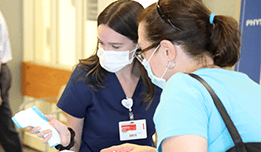
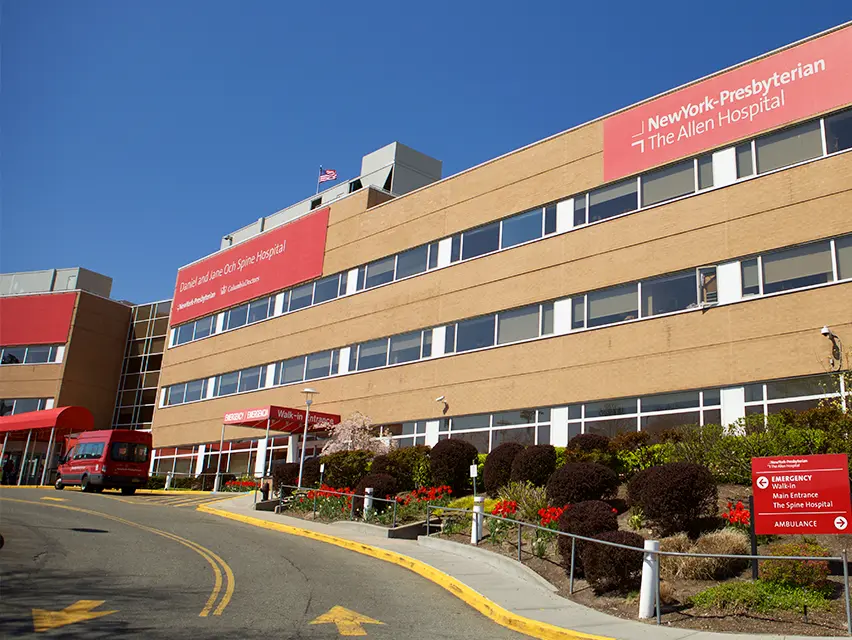
The NewYork-Presbyterian Allen Hospital Emergency Department (ED) operates within a compact space while managing nearly 50,000 visits annually. Previously, patients were not geographically assigned to nurses, leading to inefficiencies such as unbalanced and disjointed workloads, limited patient visibility, and challenges with comfort and communication. A zone nursing model was introduced to address these issues. In this model, patients are grouped into designated zones managed by a primary nurse. Team leaders were assigned to each zone to provide additional oversight and help streamline workflow.
The transition faced challenges due to the cultural shift required. The leadership team used well-established change management principles and worked with the ED front-line nurses to develop the zone-based care delivery model. ED nurses engaged their colleagues, and active collaboration with emergency providers ensured sustainable implementation. Team members were actively involved in the implementation process through feedback sessions, where their observations and recommendations helped hone the process.
Outcome
The new model yielded immediate improvements, including a sharp reduction in patient falls. Staff satisfaction improved through streamlined workflows and simplified handoffs. The zone nursing model has proven effective in enhancing patient safety, care delivery, and operational efficiency in the ED. This collaborative approach ensured that staff felt heard and valued, leading to smoother adoption and sustained use of the model.
Improvements to Care During Obstetrical Emergencies
Simulation is an integral component of the obstetrical (OB) units’ culture of safety. During simulation debriefs, nurses play a key role in identifying opportunities for improvements, developing innovative ideas to bridge a gap, and then applying these solutions in real time emergencies. In 2024, the OB nursing team implemented an OB hemorrhage simulation program. The team reviewed their experiences, including lessons learned in previous simulation programs. Nurses proposed changes and identified that the role of the recorder was most effective when they were recording on a large board that was visible for the entire team to see. They expressed that this was something that helped to improve communication when in the middle of an emergency. However, due to limited wall space, a large white board would not fit in every labor room. As a solution, the nurses collaborated with nursing leadership to bridge the gap by utilizing jumbo adhesive notes to temporarily place on the wall during an emergency for the recorder.
Outcome
The jumbo adhesive notes are now stocked on the OB hemorrhage cart and are utilized in real time. The team noted an additional benefit of the notes during the transfer of patients to the operating room (OR) to facilitate more seamless communication between care teams.
The CARE Triad
Nurses on the spine unit, 2 River West, identified the need to improve the patient experience regarding communication about medicines, while also acknowledging an opportunity to improve the rate of patient falls. 2 River West nurses developed the CARE Triad; Collaboration between different disciplines to Advocate for patients to Receive high quality care through Evidence based practice. The triad is a 3 faced card situated upright on each patient’s bedside table. One face contains medication side effects information based on what medicines the patient is prescribed, while another provides each patient with information on how to earn a prize (a “spine” shaped pen) upon discharge by discussing medication side effects with their nurse, to incentivize patient engagement. The third face reminds patients when to call for help to prevent falls. Charge nurses on 2 River West monitored implementation by completing an audit tool, making sure that the CARE Triads were in use, and that patients were confirming nurses had reviewed medication side effects and fall prevention plans.
Outcome
The CARE Triad served as a visual tool to both familiarize patients with their medication’s side effects and engage them in fall prevention and medication education plans. This innovation was associated with marked improvements in medication communication patient experience scores and patient fall rates.
Accomplishments
Awards and Recognition
External Honors
Nurse Practitioner of the Year
Lucia Amendano, DNP, FNP-BC, ENP-C
ACN-W
The Nurse Practitioner Association New York State
Clinical Excellence Recognition
- Clinical Nurse Excellence Award: Laura Mulligan, BSN, DIP, RN, CCRN, CGRN, Clinical Nurse III, Endoscopy
- Nurse in Advanced Practice Role: Marie Linton, DNP, RN, CWCN, MEDSURG-BC, Wound Care Nurse & Beth Maletz, DNP, RN, PMHNP-BC, Nurse Practitioner, ACN West, CSP Maternal Child Health
- Rising Star Award: Emely Montero, BSN, RN, Clinical Nurse, 2 Field East
- Nurse Preceptor Award: Gemma Umali, BSN, RN, MEDSURG-BC, Clinical Nurse, 2 Field East
- Nurse Leader Award: Courtney Balsam, MS, MEDSURG-BC, RN, Patient Care Director, 2 River West Spine
- Nursing Support Partner Award: Mariam Zina, Patient Care Associate, 2 River East - Stepdown
- Structural Empowerment Unit Award: 2 River West Spine
- Friend of Nursing Award: John Pathrose, PharmD, Staff Pharmacist
DAISY Award®
January,
Sherylle Rosario, BSN, RN, Clinical Nurse, 2 Field East
February,
Jennifer Kas, RN, Clinical Nurse, ACN-W Farrell Family Medicine
March,
Jenny Camchong-Perez, BSN, RN, Clinical Nurse, 2 River East - Stepdown
June,
Jessica Lukacs, BSN, RN, CCRN, Clinical Nurse, 2 River East - ICU
July,
Venise Fay Villanueva, BSN, RN, Clinical Nurse, ACN-W Audobon Peds & Ob/Gyn
August,
Enny Geronimo, BSN, RN, Clinical Nurse, Emergency Room
November,
Elisha StGermain, BSN, RN, Clinical Nurse, 2 River East - ICU
December,
Ebony Rodriguez, MSN, BBA, RN, Clinical Nurse, 2 River East - Stepdown
Quality Cup
Q1- 2 Field West
Q2- ICU
Q3- 2 River West
Q4- 2 River East
Presentations
Podium Presentations
Alley Grassetti, MS, RN, CPNP-PC, PCNB & Natasha Hoyte, MSN, MPH, RN, CPNP-PC, PNCB. Integrating Pre-Exposure Prophylaxis (PrEP) and Pose-Exposure Prophylaxis (PEP) Into the School-based Health Center. March 2024: 45th National Conference on Pediatric Health Care - National Association of Pediatric Nurse Practitioners, Denver, CO.
Poster Presentations
Jany Andrei Garcia, BSN, RN, AMB-BC, CLC & Thriscia Goettlich, BSN, RN, CLC. Delivery of Prenatal Breastfeeding Education through Telehealth Class. November 2024: Nursing Research, EBP, and Innovation Symposium. New York, NY.