


A cardiac AI tool developed by NewYork-Presbyterian and Columbia clinicians was featured in The New York Times for its potential to help doctors identify serious heart conditions earlier. The tool, EchoNext, uses artificial intelligence to analyze electrocardiograms, or ECGs, and detect patterns that may suggest structural heart disease—patterns that can be difficult to identify through standard ECG review alone.
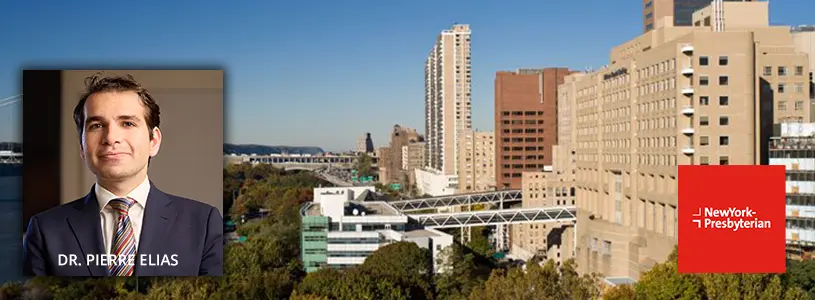
This groundbreaking artificial intelligence tool has received the world’s first clearance for AI detection of hidden heart disease through ECGs from the U.S. Food and Drug Administration (FDA). Developed through research led by Dr. Pierre Elias and his team at NewYork-Presbyterian/Columbia, EchoNext is designed to help clinicians determine which patients may need additional testing.
The technology could help make AI-assisted ECG analysis more widely available to doctors, expanding access to earlier heart disease screening.
At NewYork-Presbyterian, innovations like EchoNext reflect a larger commitment to advancing care through research, technology, and clinical expertise. Philanthropy helps make this kind of progress possible—supporting the people, programs, and discoveries that can transform care for patients in New York and beyond.
Read the New York Times feature
Discover More from Our Team of Cardiologists and Researchers
- Can AI Detect Hidden Heart Disease?
Learn more about how EchoNext may help doctors identify hidden signs of structural heart disease using ECG data.
- How EchoNext Can Help Detect Structural Heart Disease
Read more about the research behind the AI screening tool.
- Watch: Dr. Pierre Elias on AI and Cardiovascular Diagnosis
Hear Dr. Elias discuss how AI models are helping transform cardiovascular diagnosis.
Promising Results for AI-Powered Detection of Advanced Heart Failure
Read about the exploration of other AI-powered tools that may help identify advanced heart failure using cardiac ultrasound data and electronic health records.
Support Innovation at NewYork-Presbyterian
Breakthroughs like EchoNext are made possible by the vision and generosity of our donor community. To learn more about supporting cardiac care, research, and innovation at NewYork-Presbyterian visit our cardiac care page.