
Adaptability, Focus, and Community
As our patients and our communities constantly evolve, our approach to health care must remain adaptable. At NewYork-Presbyterian, our commitment to addressing social determinants of health resides firmly at the heart of our mission. We integrate holistic, community-centered approaches within traditional healthcare settings and beyond.
For more than 20 years, the Division of Community & Population Health has led the way, working closely with our neighbors to develop impactful programs, services, and resources that bridge the healthcare gaps they encounter daily. We stand strong with our communities and physician leaders — listening, learning, and striving together to improve the health and well-being of all.
Today the Division provides services in the community and in our hospitals through our community health programs and our Ambulatory Care Network (ACN). Our care encompasses key focus areas, including Maternal and Child Health, Primary Care, Chronic Disease Prevention and Management, Behavioral Health, Youth Development, Sexual and Reproductive Health, and Specialty Care.
Beyond routine medical care, the ACN outpatient practices strengthen their impact by integrating wraparound services that address social determinants of health. By embedding these resources into the care model, in partnership with community health programs, the medical practices not only improve health outcomes, but advance health equity. This commitment to community-driven care reflects our ongoing dedication to fostering healthier, more resilient populations. Whether in the community, the ACN, or in our inpatient emergency departments, each team member plays an essential role in delivering high-quality care.
Every three years, we take part in a Community Health Needs Assessment (CHNA) to gather feedback directly from community members about the issues they face. We are excited to embark on another CHNA this year. The findings of this assessment will serve as a blueprint for supporting our communities through the programs and services we provide.
Thank you for another year of remarkable achievements and milestones. Your dedication, compassion, and hard work continue to shape our success and advance our mission. I look forward to continuing this important work together.
Sincerely,
Tiffany Sullivan, MPH
Senior Vice President & Chief Operating Officer
NewYork-Presbyterian Physician Services
Our Mission
The mission of the Division of Community and Population Health at NewYork-Presbyterian Hospital, in collaboration with academic partners from Columbia and Weill Cornell, is to enhance health equity and well-being through advanced, evidence-based clinical practice, health programs, training, and scholarship in the communities we serve.
We connect community members and patients with medical, social, and behavioral health care through a wide range of community health programs and practices for children, adolescents, and adults.
The Division of Community & Population Health Includes: Ambulatory Care Network (ACN), Community Health, Care Coordination, Accountable Care Organization (ACO), Access, and Quality.
Guiding Principles
Collaborate with community partners to address shared health priorities
Deliver the highest quality, accessible, equitable, and evidence-based care, regardless of ability to pay
Train the next generation of health professionals to become lifelong advocates for community health
Advance best practices through community engaged research
Commit to a culture of teamwork, respect, safety and compassion

Community Health Assessment & Service Plan
In partnership with the New York Academy of Medicine, NewYork-Presbyterian conducts a comprehensive Community Health Assessment (CHA) every three years to gain an updated understanding of the health and social needs of the communities we serve. The findings of the CHA help inform the development of the Community Service Plan (CSP) which, in alignment with New York State’s Prevention Agenda, outlines the health priorities NewYork-Presbyterian will address and the approach to each one. In addition, the data are utilized to identify priority communities of high need where the CSP interventions are implemented.
The Division develops and implements the CSP programs across the health system by leveraging resources from both the community and within NewYork-Presbyterian. CSP programs address local health disparities through evidenced-based population health initiatives, care provider training, funding opportunities, and research. These activities are collaboratively developed, executed, and maintained in partnership with community-based organizations and departments within NewYork-Presbyterian. The combination of NewYork-Presbyterian’s skills and resources with the talents, energy, and resources of our community partners enables us to achieve our goals. These efforts also support initiatives that:
Empower individuals and families to promote health and wellness
Better navigate local systems of care and local resources
Improve school readiness and academic achievement
Ultimately improve quality of life
In 2022, the hospital selected the following Prevention Agenda priorities for its focus during the 2022-2024 Community Service Plan period.
- Prevention of Communicable Diseases
- Mental Health and Substance Use
- Women, Infants, and Children
Domains of Health
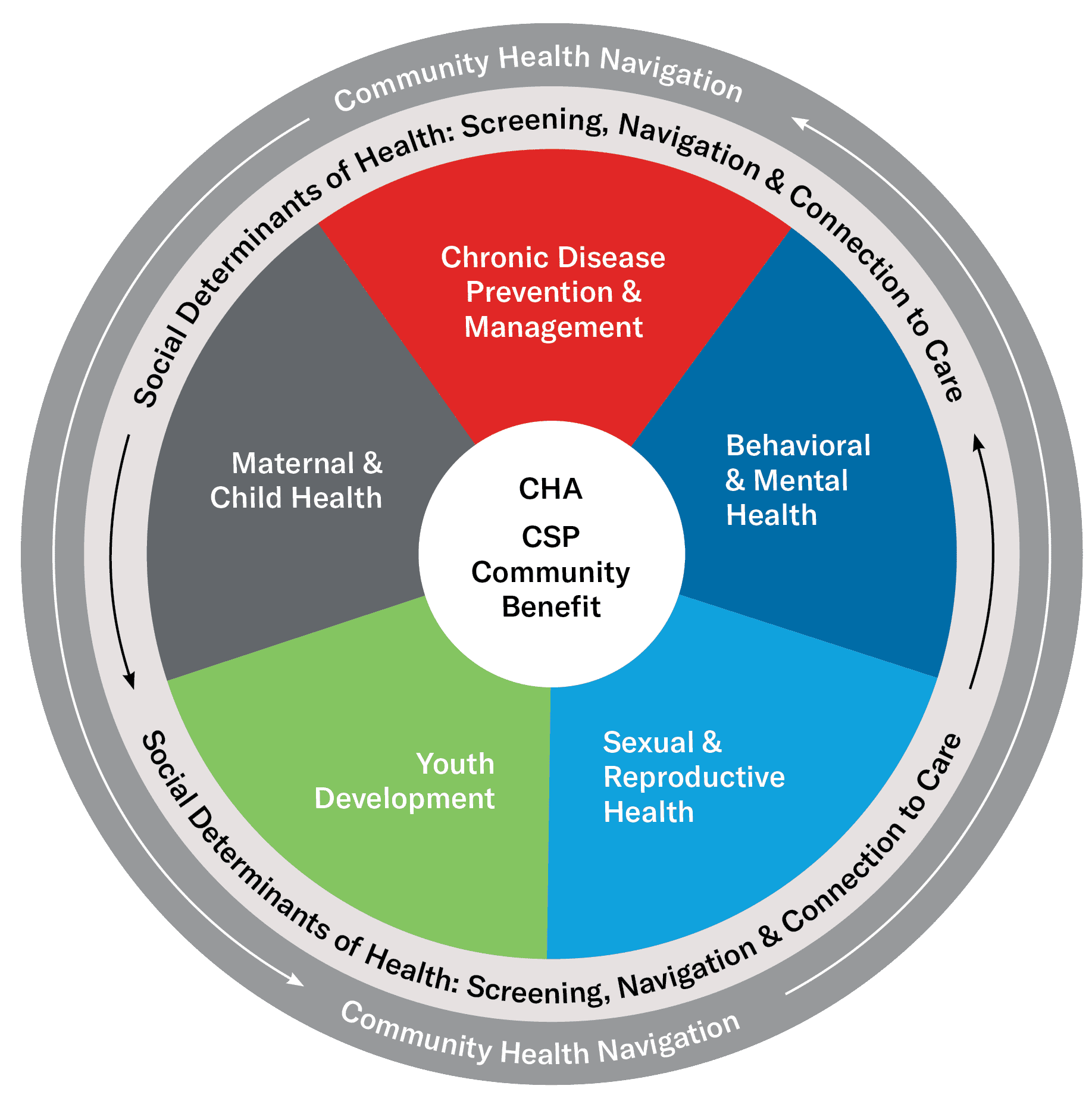
Maternal & Child Health
- Maternal and Child Integrated Mental Health Program
- Women, Infants, and Children Program
Chronic Disease Prevention & Management
- CHALK
- Health4Life
- Lower Manhattan Housing Navigation Program
- Manhattan Cancer Services Program
- Student Run-Clinics
- Targeted Community Outreach Program
- The Center for Hope and Resiliency
- TRANSiT Clinic
Youth Development
- Compass Program
- Lang Youth Medical Program
- NYPeers Wellness Educator Program
- School-Based Health Center
- Summer Youth Experience
- The Uptown Hub
Behavioral & Mental Health
- The Family PEACE Trauma Treatment Center
- Geriatric Community Psychiatry Program
- HRSA-NYP Cares
- Turn 2 Us
Sexual & Reproductive Health
- Family Planning Practice
- Project STAY
- Sexual Health Mobile Medical Unit
- The Comprehensive Health Program
Ambulatory Care Network (ACN)
The Division of Community and Population Health provides compassionate and culturally sensitive clinical services to families and individuals through its Ambulatory Care Network in Manhattan, which includes:
- Primary care sites
- School-based health centers
- School-based mental health programs
- Health and mental health
- Specialty practices
The Ambulatory Care Network makes it easier for patients of all ages to access high-quality, affordable, friendly outpatient care in their neighborhoods. We are committed to improving their physical, behavioral, and social health and well-being.
Reducing Health Inequities
Our ultimate goal is to reduce and ultimately erase health disparities by linking our neighbors with the world's best healthcare services. We work to accomplish this through initiatives that:
- Empower individuals and families to promote health and wellness
- Help people better navigate local systems of care and local resources
- Improve school readiness and academic achievement
- Enhance the quality of life for our community
Ambulatory Care Network Community Practices
| Volume | 2023 | 2024 |
|---|---|---|
| Total ACN (WC + CU) | 539,141 | 557,076 |
ACN—Payor Mix

| ACN —Payor Mix | 2023 | 2024 |
|---|---|---|
| Medicaid | 51.2% | 52.3% |
| Medicare | 29.9% | 28.2% |
| Commercial | 14.8% | 14.9% |
| Self-Pay | 3.7% | 4.1% |
| Other | 0.3% | 0.5% |
Weill Cornell-ACN Volume by Practice
| Weill Cornell—ACN Volume by Practice | 2023 | 2024 |
|---|---|---|
| Primary Care | 109,357 | 111,946 |
| ACN East - ISW Center on Aging | 10,997 | 11,473 |
| ACN East - OB/GYN | 20,093 | 19,315 |
| ACN East - Pediatrics | 13,225 | 15,203 |
| ACN East - WCIMA | 55,695 | 56,800 |
| ACN East - WCIMA at Payson House | 9,347 | 9,155 |
| Specialty Care | 39,766 | 40,371 |
| ACN East - Adult Dental | 7,381 | 4,436 |
| ACN East - Cardiology | 2,470 | 2,404 |
| ACN East - CSP Community Services | 15 | 454 |
| ACN East - CSS Baker | 11,097 | 12,124 |
| ACN East - CSS Chelsea | 11,568 | 12,358 |
| ACN East - Endocrinology | 810 | 1,120 |
| ACN East - Neurology | 2,181 | 2,246 |
| ACN East - Nutrition | 1,995 | 2,340 |
| ACN East - Pediatric Dental | 2,232 | 2,888 |
| ACN East - PFT Lab | 17 | 1 |
| Grand Total | 149,123 | 152,317 |
Methadone
| Methadone | 2023 | 2024 |
|---|---|---|
| Epic | 10,028 | 8,769 |
| MyAvatar | —— | 16,246 |
| Total Methadone | 10,028 | 25,015 |
Columbia University-ACN Volume by Practice
| Columbia University—ACN Volume by Practice | 2023 | 2024 |
|---|---|---|
| Primary Care | 214,082 | 213,355 |
| ACN West - AIM Practice - West | 73,915 | 71,953 |
| ACN West - Audubon Primary Care Practice | 37,630 | 38,797 |
| ACN West - Broadway Practice | 35,990 | 36,680 |
| ACN West - Charles Rangel Practice | 17,204 | 18,263 |
| ACN West - Farrell Family Medicine Health Center | 18,915 | 17,802 |
| ACN West - Washington Heights Family Health Center | 30,428 | 29,860 |
| Specialty Care | 175,936 | 191,404 |
| ACN West - Access & Scheduling Center | 375 | 447 |
| ACN West - Adult Psychiatry | 19,745 | 23,966 |
| ACN West - AIM Practice - East | 7,521 | 6,851 |
| ACN West - Child Advocacy Center | 8 | 2 |
| ACN West - Comprehensive Health Program | 21,085 | 21,916 |
| ACN West - CSP Community Services | 2,658 | 2,363 |
| ACN West - Dermatology | 8,483 | 10,687 |
| ACN West - Family Peace Program | 3,095 | 2,866 |
| ACN West - Family Planning Practice | 18,894 | 20,999 |
| ACN West - Fort Washington Dental | 3,346 | 3,218 |
| ACN West - Healthy Steps | 1,483 | —— |
| ACN West - Ophthalmology Clinic | 19,671 | 19,319 |
| ACN West - Pediatric Psychiatry | 32,895 | 37,425 |
| ACN West - School Based Health Centers | 15,897 | 17,836 |
| ACN West - Thyroid Clinic | 131 | —— |
| ACN West - VC10 Specialties Clinic | 13,955 | 16,194 |
| Audiology | 3,275 | 3,526 |
| Nutrition | 2,770 | 2,268 |
| Neurology | 2,690 | —— |
| Ent-Otolaryngology | 2,074 | 3,060 |
| Pulmonology | 2,004 | 2,000 |
| OB/Gyn | 496 | 910 |
| Allergy | 388 | 469 |
| Social Work | 191 | 37 |
| Pharmacy | 67 | 279 |
| Cardiology | —— | 1,973 |
| Gastroenterology | —— | 1,672 |
| ACN West - NI8 Specialties Clinic | 6,694 | 7,315 |
| Orthopedics | 5,027 | 5,331 |
| Physical Medicine/Rehabilitation | 1,164 | 932 |
| Pediatric Neurology | 498 | 513 |
| Internal Medicine | —— | 539 |
| Social Work | 5 | —— |
| Grand Total | 390,018 | 404,759 |
Grants Received
Total Grant Awards 2024
Six awards totaling approximately
$2.8M
Restricted/Donor Funds in 2024
236 awards totaling
$8.9M
Nursing
Telehealth Breastfeeding Education
The Baby Friendly Committee of the Ambulatory Care Network West Campus improved the delivery of outpatient prenatal breastfeeding education. During prenatal care, mandatory topics required by Baby Friendly USA are introduced, discussed, and reinforced with patients to create and nurture an environment that cultivates sustainable practices that embrace and promote exclusive breastfeeding. EPIC optimization allowed for standardization of prenatal breastfeeding documentation across the organization.
In 2023, the ACN Baby Friendly Committee partnered with the ACN Newborn Clinic to launch monthly telehealth prenatal breastfeeding classes via MyChart. In 2024, the program expanded to two classes per month — one in English and one in Spanish. This ongoing project supports and reinforces the efforts of ACN West, NewYork-Presbyterian Morgan Stanley Children's Hospital, and NewYork-Presbyterian Allen Hospital in promoting and supporting a breastfeeding environment.
Improving APRN Orientation
A comprehensive orientation manual is instrumental for talent development, confidence building, ease into practice, and retention of employees. In 2024, we spearheaded the Advanced Practice Registered Nurse (APRN) Orientation Index to meet the needs of NewYork-Presbyterian's APRNs.
Compiled through the collaboration of several key stakeholders, including APRNs, physicians, and Hospital leadership, the orientation index addressea requests for standardization in the communication provided to all onboarding APRNs, with the goal of improving their level of comfort during the transition to independent practice. The index sets a precedent for future endeavors, such as a formal mentorship program for ambulatory APRNs, which will further cement the commitment of leadership to support APRNs.
Nursing Recognition
NewYork-Presbyterian's nurses regularly receive professional awards in recognition of their commitment to their patients and the community.
- On World AIDS Day in 2024, Caroline Carnevale, FNP, MPH, received an award from the New York City Health Department for her contributions to addressing the HIV epidemic in this city. Ms. Carnevale has been instrumental in grant writing and expert practice at the Comprehensive Health Program clinic and beyond. She helped establish mobile vans for testing, counseling, and treatment of sexually transmitted infections in targeted neighborhoods with high rates of infection and a lack of treatment resources.
- In May 2024, Lucia Amendano, DNP, was recognized by the Nurse Practitioner Association of New York as the NP of the year. Dr. Amendano has exceptional skills in ambulatory and emergency care, occupational health, and telemedicine and works with the ACN West Clinical Telephone Triage Center. She makes presentations at national conferences, authors publications, volunteers in the community, and mentors APRNs.
- In 2024, NewYork-Presbyterian/Weill Cornell Medical Center received redesignation from the American Nurses Credentialing Center’s Magnet Recognition Program®, the highest and most prestigious distinction that a healthcare organization can earn for nursing excellence and innovation. The credential is considered the gold standard for nursing.
Telehealth
The Division of Community and Population Health leverages digital solutions to enhance opportunities for our patients to access phenomenal health care. We continue to offer virtual visits, both for acute problems and as a part of chronic care management.
The Centralized Clinical Triage Center supports primary care practices—assisting with prescription refills, forms, remote monitoring, and urgent care, while fast-tracking access for patients who need immediate care.
Our pediatric HealthySteps program allows pediatricians to sync parents/caregivers via video with a live specialist at the time of their visit if the need arises.
The Remote Patient Monitoring program helps patients with chronic conditions manage their health from home, preventing hospital readmissions and supporting transitions from hospital to home.
Patients have access to on-demand tele-lactation services and virtual breastfeeding support groups.
To minimize the digital divide, NewYork-Presbyterian provides technical support for patients navigating the Connect platform and offers referrals for low-cost mobile phone programs.
Healthcare Networks
To strengthen care transitions and address gaps in critical services, NewYork-Presbyterian has developed innovative programs that support patients with complex needs, including those requiring housing or substance use disorder care. Through partnerships with organizations like Comunilife and the Alliance for Positive Change, these initiatives provide immediate, low-barrier access to essential resources, ensuring continuity of care during vulnerable transition periods.
The Substance Use Bridge Clinic serves as a vital link between hospital-based care and long-term outpatient treatment for patients with substance use disorders, reducing the risk of relapse and promoting sustained recovery. Similarly, the Comunilife partnership enhances post-acute care through medical respite services. Both programs highlight NewYork-Presbyterian’s commitment to holistic, patient-centered care by addressing medical, behavioral, and social needs through multidisciplinary approaches and collaborative networks.
Behavioral Health and Substance Use Disorder (SUD) Referral Networks
To improve the transition from inpatient to outpatient community providers, NewYork-Presbyterian established a Substance Use Bridge Clinic designed to provide immediate, low-barrier access to care for patients with substance use disorders. The clinic serves as a critical link between hospital-based care and long-term outpatient treatment, ensuring continuity of care and reducing the risk of relapse during vulnerable transition periods. Patients are connected with a multidisciplinary team that includes addiction specialists, social workers, and care coordinators who provide comprehensive medical, behavioral, and social support tailored to individual needs.
A vital component of this initiative is our partnership with Peers from the Alliance for Positive Change. These trained individuals, many with lived experience of substance use and recovery, provide essential support and mentorship to patients. To enhance the impact of peer support, a Peer is stationed at four NewYork-Presbyterian hospital campuses—Weill Cornell Medicine, Columbia University Irving Medical Center, NewYork-Presbyterian Allen Hospital, and NewYork-Presbyterian Lower Manhattan Hospital—ensuring that patients receive consistent, accessible guidance during critical transition periods.
Peers offer a unique perspective and empathetic connection that fosters trust, reduces stigma, and empowers patients to engage actively in their recovery journey. By integrating peer support across multiple hospital sites, NewYork-Presbyterian not only enhances the quality of care, but also ensures patients have the support they need to navigate complex systems and maintain motivation as they transition toward long-term stability and well-being.
Comunilife: Medical Respite
The NewYork-Presbyterian Division of Community and Population Health and Central Post-Acute Care Services have forged a strategic partnership with Comunilife to enhance support for patients requiring housing and post-acute services. A key focus of this collaboration is medical respite care, which provides a safe and supportive environment for patients who no longer need acute hospitalization but are not ready to return to traditional housing.
We conducted a comprehensive assessment of Comunilife’s programs, emphasizing their ability to deliver high-quality care, specialized services, and culturally responsive support for vulnerable populations. This included Comunilife’s expertise in managing medical respite programs, facilitating care transitions, and addressing complex patient needs.
Through continuous communication and collaboration, we are jointly working on program development, improving patient flow to and from medical respite settings, and implementing quality-improvement initiatives. This partnership ensures that patients receive holistic, transitional care tailored to their medical, social, and emotional needs.
Social Determinants of Health
Addressing social determinants of health (SDoH) is a primary approach to achieving health equity. SDoH, which includes factors such as food insecurity, inadequate or unstable housing, and lack of transportation, significantly contribute to health disparities within communities. By understanding and addressing these underlying social needs, health care institutions can better support vulnerable populations and enhance overall health outcomes.
The Division of Community & Population Health leads innovative programs designed to tackle these challenges and strengthen our communities.
Center for Community Health Navigation
The Center for Community Health Navigation (CCHN) supports the health and well-being of patients by delivering peer-based, culturally sensitive care in the emergency department, inpatient, outpatient, and community settings.
Emergency-Department Patient Navigator Program
Our complex healthcare system can be challenging to navigate, especially for uninsured, undocumented people who are living in poverty and/or have limited English proficiency. NewYork-Presbyterian's emergency-department (ED)-based Patient Navigator Program helps patients effectively navigate the healthcare system. Located in seven EDs, bilingual Patient Navigators offer peer-based culturally sensitive education and support and connect patients to health insurance and financial assistance. They also schedule primary care and specialty appointments and provide appointment reminders and follow-up calls.
Key Accomplishments & Outcomes, 2023-24
Patient navigators supported over
429K
between December 2008 and June 2024
73%
of the nearly 210,000 patients attended their scheduled appointments
95%
of the nearly 99,000 patients without a primary care provider had an appointment with a new provider upon discharge
Community Health Worker Program
Community Health Workers (CHWs) are based in local community-based organizations and also work as members of healthcare teams in NewYork-Presbyterian primary care settings. There are pediatric and adult CHW programs as well as one for obstetric patients. The CHW Program empowers participants with the education, tools, and resources needed to improve their health and well-being.
Key Accomplishments & Outcomes, 2023-24
Pediatric Program
2,711
caregivers enrolled by pediatric CHWs between July 2006 and June 2024
Among graduates
79%
of caregivers reported a decreased level of stress upon discharge
97%
of graduates reported knowing how to access care for their children
86%
of graduates said they felt in control of their child’s condition
Adult CHW Program
3,059
patients enrolled by adult CHWs between July 2006 and June 2024
90%
of graduates met their medication management goals
91%
of graduates met their patient navigation goals
90%
of graduates met their social determinant goals
Obstetric CHW Program
183
participants enrolled by obstetric CHWs between May 2022 and June 2024
Among graduates
85%
of patients completed patient navigation goals upon discharge
Health Promotion Program
The CCHN Health Promotion Program supports equitable access to health-related information, resources, and support for patients. Health Promotion Advocates proactively reach out to patients who have not completed the social determinant of health screening to administer the screening and, if needs are identified, to help connect patients to the right support. The team also helps patients navigate the increasingly digital healthcare system.
Key Accomplishments & Outcomes, 2023-24
From the program's inception
31,338
patients have been supported
10%
were identified as rising/high-risk
29%
were identified as low-risk
61%
had no risks identified
Between January and June 2024, the Health Promotion Program supported
5,436
patients who had not completed the social determinants of health screening prior to their primary care appointments