
In August 2021, the Dalio Center launched its annual Health Justice Research Grant program to support innovative research aimed at reducing health inequities and disparities. Since its inception, the program has funded 20 projects led by researchers at Columbia University Vagelos College of Physicians and Surgeons and Weill Cornell Medicine, driving new insights and solutions to advance equity in health care.
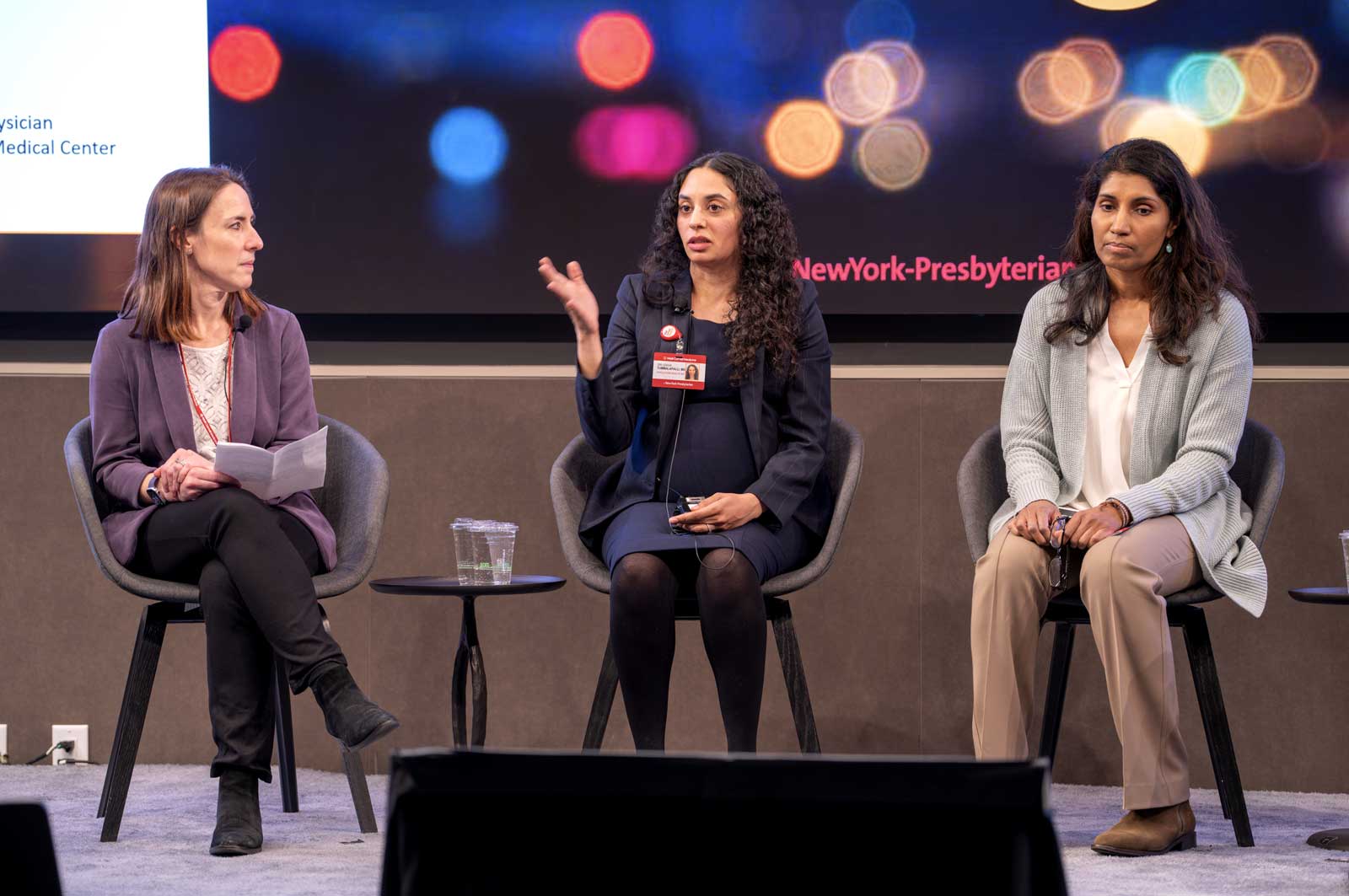
Erika Abramson, MD, Sri Lekha Tummalapalli, MD, and Srilaxmi Bearelly MD
$1.85M
health justice grant funding since inception
Four health equity grants were selected in the second cohort of grantees. As their project comes to an end, we are featuring their final progress and interviews here with each research team lead.

Srilaxmi Bearelly, MD, MHS
CUIMC

Ronald Wapner, MD
CUIMC
Andrew Laine, DSc
CUIMC
Liat Shenhav, PhD
New York University
Matt Hoffman, MD, MPH
CUIMC

Arnab K Ghosh, MD, MSc, MA
WCM
Cecilia Sorensen, MD
CUIMC
Fei Wang, PhD
WCM

Donald Edmondson, PhD, MPH
CUIMC
Anaïs Rameau, MDCM, MPhil, MS, FACS
WCM
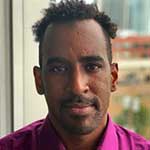
Jerel Ezell, PhD MPH
University of California, Berkeley School of Public Health
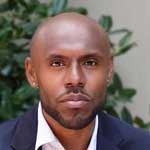
Dustin Duncan, ScD
CUIMC
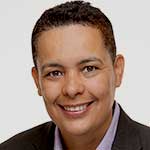
Asa Radix, MD PhD
CUIMC
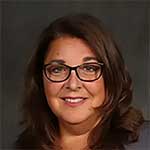
Mary Pitti, MS
Ithaca College
Keith Chadwick, MD, MS
Stony Brook Medicine
Rachel Coleman, MS-CCC/SLP
WCM

Katerina Andreadis
New York University
Sara Albert, BA
WCM
David Bayne, PhD,
CCC-SLP
Ithaca College
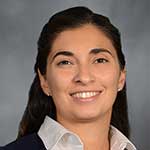
Kalliope Tsirilakis, MD
WCM

Perdita Permaul, MD, FAAAAI, FAAP
WCM
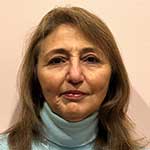
Maria D’Urso, MSN, MBA, RN, FACHE
NYP Queens
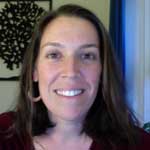
Rachel Schwartz, RN, MSW, MPH
Public Health Solutions
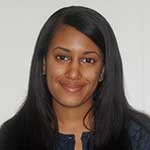
Zenna Solomon, MD
WCM
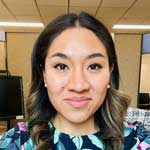
Maria Gabriella Serrano
Public Health Solutions
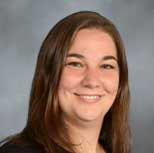
Hilary Carlson, PNP
WCM
In 2024, the Dalio Center partnered with the EQUIP Center for Learning Health System Science to create the Learning Health System Health Justice Research and Training Award.
In 2024, the Dalio Center partnered with the EQUIP Center for Learning Health System Science to create the Learning Health System Health Justice Research and Training Award. This award supports Weill Cornell Medicine and Columbia University Vagelos College of Physicians and Surgeons faculty conducting system-wide research on topics at the intersection of health equity and quality in health care. The EQUIP team provides guidance, foundational knowledge, and skill-building to advance awardees' careers as clinician-researchers. Two faculty from Weill Cornell Medicine and two faculty from Columbia University Vagelos College of Physicians and Surgeons were chosen from a competitive pool of applicants. Their projects and mid-point progress are described here.
Most patients with end-stage kidney disease in the U.S. are never waitlisted for transplant, largely due to delayed or incomplete kidney transplant evaluations (KTEs). This project aims to improve KTE completion and optimize pre-transplant resources by developing a machine learning (ML) model to identify patients at high risk for a delayed or incomplete KTE, creating a point-of-care checklist and population-level dashboard to track KTE tasks and milestones, and implementing these tools for highrisk patients.
In Year 1, the team developed several ML models and continued to enhance performance through hyperparameter tuning, integrating clinical note data, and testing alternative algorithms. They also implemented KTE checklists as Epic SmartPhrases, which will inform the design of a real-time population-level dashboard. Pilot implementation of both tools is planned for Year 2.
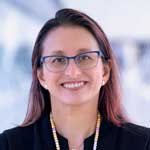
Hilda Fernandez, MD
CUIMC
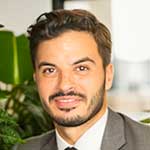
Harry Reyes Nieva, PhD, MAS
CUIMC

Karthik Natarajan, PhD
NYP
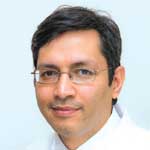
Sumit Mohan, MD, MPH, FASN
CUIMC
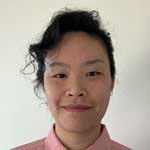
Miko Yu, MPH
CUIMC
Current emergency department (ED) discharge processes often lead to unplanned revisits and hospitalizations, particularly among non-English language preferring (NELP) patients who face barriers to health care access and health literacy. This project aims to improve safety and equity by redesigning the discharge process to better meet patients’ needs.
Since the start of funding, they have completed 29 in-depth interviews with a diverse group of recently discharged patients and are using these insights to inform modifications to the current discharge process to make it more patient-centered. Next, they will present these proposed changes to frontline providers to collaboratively develop a pragmatic, operationally feasible discharge model for pilot implementation and evaluation.
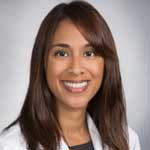
Radhika Sundararajan, MD, PhD
WCMC
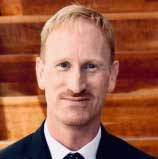
Peter A.D. Steel, MA, MBBS, FACEP
WCMC
Natalie Benda, PhD
CUIMC
This project aims to improve technology-based screening for health-related social needs (HRSNs) among cancer patients and connect them to appropriate interventions. Over the first year of the grant, the team expanded a PowerBI dashboard that now integrates data from the NYP warehouse via Clarity, including oncology clinic visits, social and financial screening responses, demographics, treatments, admissions, and diagnoses. This will serve as a robust database to support future project aims.
Key accomplishments include developing a dashboard in collaboration with the Epic, informatics, and biostatistics teams; submitting secondary analyses to the American Society of Clinical Oncology (ASCO) Quality Care Symposium; and giving multiple presentations to scientific, advocacy, and community audiences. Through these dissemination efforts and community-engaged discussions, the team has refined its qualitative aim to capture multiple perspectives from patients, providers, and administrators.
Melissa Beauchemin, PhD
CUIMC
Claire Sathe, MD, JD
CUIMC
Dave DeStephano, MPH
CUIMC
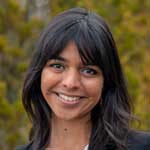
Rhea Khurana, BS
CUIMC
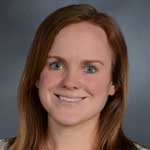
Nat Benda, PhD
CUIMC
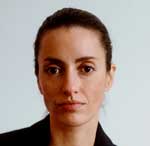
Justine Kahn, MD, MPH
CUIMC
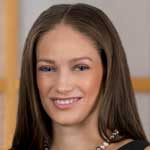
Melissa Accordino,
MD, MS
CUIMC
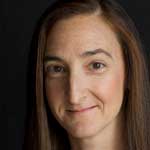
Dawn Hershman,
MD, MS
CUIMC
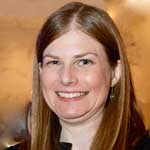
Shoshana Rosenberg, ScD
WCM
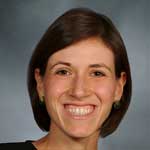
Laura Pinheiro,
PhD, MPH
WCM
In the U.S., hospice care remains underutilized among racial and ethnic minority groups and individuals with limited English proficiency. The GOComm-PC initiative aims to reduce these disparities by engaging communities to develop patient-centered training programs.
Since late 2024, the team has built essential infrastructure, including staff recruitment, data systems, and IRB exemption across campuses. Guided by input from community-engaged research experts and a Community Advisory Council, the team developed the GOComm-PC curriculum, integrating health disparities content and culturally diverse simulations for primary care providers. They also advanced structured clinical examinations, case development, actor recruitment, and stakeholder engagement for clinician training. Training workshops will begin in early 2026 and will be informed by ongoing community feedback.

Cynthia X Pan, MD (PI)
WC, NYPQ
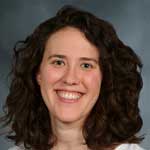
Kimberly Bloom-Feshbach, MD
WCM
Melissa Patterson, MD
CUIMC
Milagros D. Silva, MD
WCM
Andrea Card, MD
WCM
Evgenia Litrivis, MD
WCM
Kerrianne P. Page, MD
CUIMC
Stroke remains a leading cause of mortality and long-term disability. Post-acute care is a critical component of recovery, with Inpatient Rehabilitation Facilities (IRFs) offering intensive therapy that can significantly improve independence and reduce disability. Yet, IRFs are inconsistently utilized, with substantial variation in practice and disparities in access. The project aims to address this challenge by developing a reliable decision-support tool to guide clinicians in selecting the most appropriate level of post-stroke rehabilitation care. By standardizing recommendations, the tool has the potential to reduce inequities tied to sociodemographic factors.
The team has already produced an initial draft of the tool and engaged a network of over 450 stakeholders to provide feedback. Insights gained from this survey will be used to refine the tool before moving forward with field testing across NYP hospitals.
Joel Stein, MD
CUIMC
Robin Hedeman, OTR/L
Steven Levine, MD
SUNY Downstate
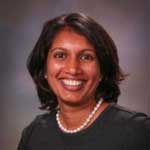
Zainab Magdon-Ismail, DrPh
HealthTap
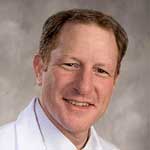
Barry Rodstein, MD, MPH
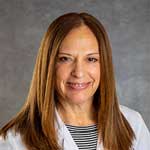
Alyse Sicklick, MD
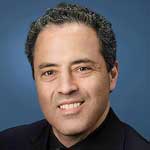
Brian Silver, MD
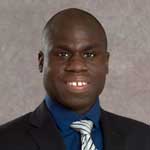
Akinpelumi "Akin" Beckley,
MD, MBA
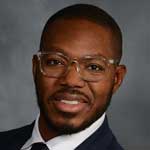
Leroy Lindsay, MD
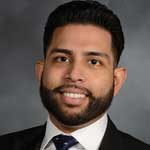
Nasim Chowdhury, MD
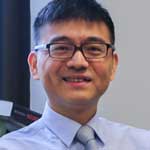
Ken Yeung, PhD
Heart failure (HF) affects nearly 7 million people in the U.S. and is a leading cause of illness and death. Significant disparities in diagnosis and treatment by race, ethnicity, sex, age, and socioeconomic status contribute to worse outcomes for minority groups. Transthyretin amyloid cardiomyopathy (ATTR-CM) is recognized as a key cause of HF, particularly among Hispanic and non-Hispanic Black populations, where it carries a poorer prognosis. New therapies that stabilize or silence the transthyretin (TTR) gene can slow disease progression, but are most effective when started early, highlighting the need for better screening.
This study will evaluate a deep learning model that uses electrocardiograms, echocardiograms, and clinical data to improve early detection of ATTR-CM and make screening more accurate and equitable across diverse populations.

Heidi Hartman, MD, MS
CUIMC
Pierre Elias, MD
CUIMC
Mathew S, Maurer, MD
CUIMC
Weston Hughes, PhD
CUIMC
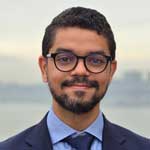
Francisco Roedan Oliver, MD
CUIMC
C’s the Day seeks to increase access to curative hepatitis C (HCV) treatment for hospitalized patients at NYP/Weill Cornell and NYP Lower Manhattan Hospital. The inpatient HCV treatment team educates patients, prescribes direct-acting antivirals, and facilitates bedside medication delivery before discharge, with streamlined outpatient follow-up to support adherence. The program specifically targets individuals facing barriers such as drug use or unstable housing. In addition to implementing this care model, they will rigorously evaluate the project by measuring treatment initiation, adherence, and cure rates, and by identifying implementation barriers and facilitators. This review will inform broader efforts to improve HCV care delivery in vulnerable populations.
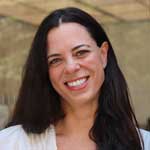
Fiona Gispen, MD, MS
WCM
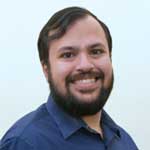
Shashi Kapadia, MD, MS
WCM
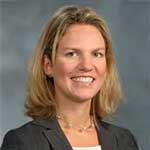
Kristen Marks, MD, MS
WCM
Harjot Singh, MD
WCM
Stephanie Rutledge, MD
WCM
Children from families with non-English language preference and limited English proficiency are at higher risk for medication errors and adverse events after ED visits, in part because personalized written discharge instructions are not consistently provided in their preferred language. This project is evaluating the accuracy and safety of AI models in translating personalized, free text discharge instructions to explore how they might complement professional human translation to improve care. By analyzing over 600 real pediatric ED encounters, the team is directly comparing clinically significant translation errors, adequacy, and meaning across human and machine translations. The results will inform whether AI can be reliably implemented in real-time to improve equity, safety, and quality of care for patients and families.
David Kessler, MD, MSc
CUIMC
Erin Hannon, MD, MS
CUIMC
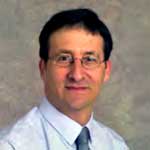
Peter Dayan, MD, MSc
CUIMC
Energy insecurity, defined as the inability to adequately meet household energy needs, is a growing social need linked to respiratory conditions such as asthma. Both energy insecurity and childhood asthma have disparities; however, little is known about their intersection. The team is examining how energy insecurity affects children with asthma in New York City who are at substantial risk for asthma morbidity. Using data from NYP’s social needs screening program, longitudinal assessments, and home visits, the study aims to determine whether severe energy insecurity and indoor energy-related coping strategies are associated with high asthma morbidity. Findings will inform strategies to raise awareness and improve access to existing programs that address energy insecurity for patients and families.
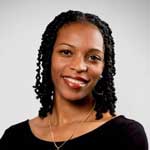
Stephanie Lovinsky-Desir,
MD, MS
CUIMC
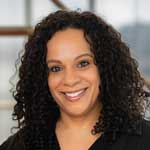
Diana Hernández, PhD
CUIMC
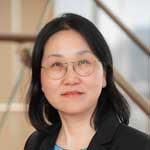
Qian Li, PhD
CUIMC
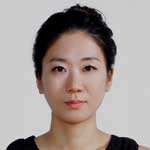
Kyung Hwa Jung, PhD
CUIMC
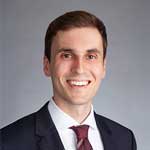
Anthony Milki, MD
CUIMC
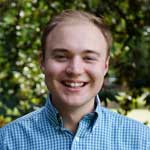
Micah Jordan, MPhil
CUIMC
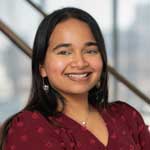
Farzana Y. Khan, MPH
CUIMC

Sofia Pollack
CUIMC

Tamanna Chowdhury
CUIMC
Sherry Guo
CUIMC
Lydia Martinez Sepulveda
CUIMC
Alzheimer’s disease (AD) is a very common disease in aging populations, disproportionately affecting communities at highest risk of experiencing health inequities. Diagnostic and care delays are unfortunately common and are strongly driven by low AD health literacy. AD care has been transformed by newly available diagnostic tools and disease-modifying therapies. With new treatments, timely AD diagnosis has become even more important.
Old SCHOOL Hip Hop (OSHH) is a fun, educational, school-based multimedia program which teaches fourth to sixth grade children in New York City about AD through Hip Hop music, using “child mediated health communication.” The approach fosters intergenerational family communication that promotes dementia literacy and healthy aging attitudes and ultimately care-seeking behavior. Previously, a large, randomized trial of OSHH in NYC showed significant improvements in knowledge in children and their parents. The next phase of OSHH aims to shorten the program and expand to more communities in need.
James Noble, MD, MS, CPH, FAAN
CUIMC
Sandra G. Minchala, BS
CUIMC

Yejin Lee, MS, EdD
CUIMC

Artie Green
CUIMC
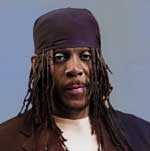
Easy A.D. Harris
CUIMC
Dr. Taylor’s team will use SDoH data from NYP’s electronic health records to identify which social factors most affect patient health and to collaboratively design a community-based intervention that reduces health disparities and supports healthy aging. This project will establish an EHR-based patient cohort to evaluate links between SDoH, age-related diseases, and biomarkers of biological aging, while also conducting qualitative interviews with patients and community stakeholders to identify feasible, culturally-grounded solutions. In collaboration with community organizations, the project emphasizes co-design and community engagement to ensure long-term sustainability and relevance. The anticipated impact includes generating preliminary data to support future intervention trials and establishing scalable methods for integrating biological aging measures into health equity research.
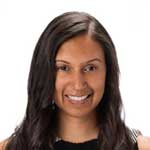
Jacquelyn Taylor, PhD, PNP-BC, RN, FAHA, FAAN
CUIMC

Olajide Williams MD, MS
CUIMC
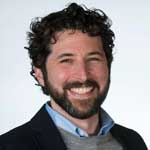
Daniel Belsky, PhD
CUIMC
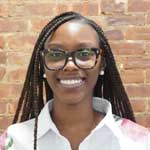
Morgan Morrison, MA
CUIMC
This project aims to investigate the causes, predictors, and consequences of delays in initiating neoadjuvant chemotherapy for patients with muscle-invasive bladder cancer. Using a three-pronged approach, the study will combine retrospective chart reviews at CUIMC, population-level analyses of the National Cancer Database, and direct input from patients through surveys and interviews. The research will assess the incidence and reasons for treatment delays, identify disparities related to age, race, ethnicity, and insurance status, and capture patient perspectives on barriers such as transportation, caregiving responsibilities, and logistical challenges. Together, these methods will provide a comprehensive understanding of the multifactorial causes of delayed care in bladder cancer.
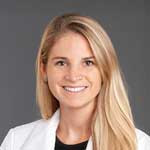
Margaux Wooster, MD
CUIMC
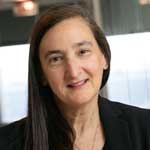
Dawn L Hershman,
MD, MS
CUIMC
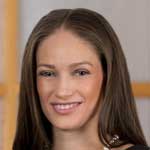
Melissa K. Accordino, MD, MS
CUIMC
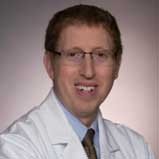
Mark Stein, MD
CUIMC
Rohit Raghunathan, MS
CUIMC
