Hospital News
Return to Rehabilitation Medicine Overview
More on Rehabilitation Medicine
- New Alternative to Hip Replacement Designed for Patients with Active Lifestyles
- Lending a Helping Hand: New Device for Stroke Patients Restores Hand Mobility
- 70% of Spinal Cord Injuries In Children Result From Motor Vehicle Accidents
- Adolescent Girl Athletes More Likely to Injure Knees Than Boys
- Alcides Moreno, Survivor of 47-Story Fall, Discharged From NewYork-Presbyterian Hospital/Weill Cornell Medical Center
- A New Year's Guide to Shaping Up
- Backpacks Can Mean Backaches for Back-to-Schoolers
- Bone Density Screening May Reduce Hip Fracture Risk
- Cancer Stem Cells: Know Thine Enemy
- Coping With Chronic Cancer Pain
- Dr. Nicholas Schiff of Weill Cornell Discusses "The Challenge of Detecting Consciousness in Severely Brain-Injured Persons"
- Dr. Nicholas Schiff Receives Research Award for Innovation in Neuroscience
- Journey to the Center of the Brain
- Local Pediatric Patient Heads to Capitol Hill Today in Hopes of Preserving Children's Hospital Funding
- Message to the Elderly: It's Never Too Late to Prevent Illness!
- New Device for Stroke Patients Improves Walking
- New Hope for Stroke Patients
- New Procedure Offers Hope to Patients at High Risk for Recurrent Stroke
- New York Brain Tumor Project Launched at New York Weill Cornell Medical Center
- New York Chapter of the Arthritis Foundation Honors NewYork-Presbyterian's Dr. Louis Bigliani with Lifetime Achievement Award
- NewYork-Presbyterian/Columbia Trains Surgeons in New Alternative to Hip Replacement
- NewYork-Presbyterian/Weill Cornell Physician-Scientists Present at 2007 American Academy of Neurology (AAN) Conference in Boston
- NewYork-Presbyterian and Wyckoff Surgeons Implant Artificial Disc in Spine
- NewYork-Presbyterian Receives NY State Stroke Center Designation
- New York Presbyterian Researchers Determine That Moderate Alcohol Consumption Reduces Stroke Risk
- New York Weill Cornell Researchers Find Genetic Basis to Cognitive Problems Suffered by Professional Football Players
- Novel Brain Tumor Drug Treatment Available Exclusively at NewYork-Presbyterian Hospital and Columbia University Medical Center
- Oh, My Aching Back! Tips on Avoiding Back Injury From NewYork-Presbyterian's Spine Center
- Orthopaedic Surgeon Inducted into Academy
- Patient with Severe Traumatic Brain Injury in "Minimally Conscious State" Shows Functional Improvement After Deep Brain Stimulation
- Scientists Identify Brain Abnormalities Underlying Key Element of Borderline Personality Disorder
- Severely Brain Injured Deserve More Research, Says Weill Cornell Physician-Ethicist
- Stay Injury-Free While Exercising This Summer
- The Ties That Bind Us Can Also Heal Us
- Total Hip Resurfacing Webcast
- Toward Our Understanding of Tourette Syndrome
- Two of 13 Members of White House Commission on Complementary and Alternative Medicine Policy Are From Weill Cornell
- Weill Cornell Establishes New Center for Complementary and Integrative Medicine
- Weill Cornell Researchers Identify a Likely Genetic Cause of Atherosclerosis
- Weill Cornell Scientists Identify Mechanism Governing Immune System Suppression
Research and Clinical Trials
Return to Rehabilitation Medicine Overview
More on Rehabilitation Medicine
Health Library
Return to Rehabilitation Medicine Overview
More on Rehabilitation Medicine
- Aging and Exercise
- Amputation
- Amyotrophic Lateral Sclerosis (ALS)
- Ankylosing Spondylitis
- Aphasia
- Arthritis
- Arthritis and Other Rheumatic Diseases
- Arthritis Treatment
- Assistive Equipment for the Home
- Avascular Necrosis
- Back and Neck Pain
- Bell's Palsy
- Biofeedback
- Body Movement
- Brain Injury, Acquired
- Brainstem Gliomas
- Brain Tumors: Overview
- Burns
- Bursitis
- Cancer Rehabilitation
- Cardiac Rehabilitation
- Carpal Tunnel Syndrome
- Chronic Obstructive Pulmonary Disease
- Chronic Pain
- Cognitive Rehabilitation
- Cubital Tunnel Syndrome
- Diabetes and Foot Problems
- Diabetic Neuropathy (Nerve Problems)
- Disability Statistics
- Dupuytren's Contracture
- Elbow Pain and Problems
- Emphysema
- Exercise: Designing a Cardiac Exercise Program
- Fall Prevention
- Foot Pain and Problems
- Fractures
- Hand Deformities, Congenital
- Hand Pain
- Hand Surgery: Recovery
- Head Injuries in Adults
- Herniated Disc
- Hip Problems
- Hip Replacement
- Ice Packs vs. Warm Compresses For Pain
- Joint Anatomy
- Joint Replacement
- Juvenile Rheumatoid Arthritis
- Knee Pain and Problems
- Knee Replacement
- Kyphosis
- Lateral Epicondylitis (Tennis Elbow)
- Ligament Injuries to the Knee
- Low Back Pain
- Lumbar Strain (Weight Lifter's Back)
- Making the Home Environment Safe
- Massage
- Medial Epicondylitis (Golfer's and Baseball Elbow)
- Meniere's Disease
- Multiple Sclerosis (MS)
- Muscular Dystrophy
- Muscular Dystrophy and Neuromuscular Diseases
- Musculoskeletal Rehabilitation
- Myasthenia Gravis
- Neck Pain
- Nervous System Disorders: Overview
- Neurological Conditions
- Neurological Rehabilitation
- Neuropathy
- Occupational Therapist
- Orthopaedics and the Orthopaedic Team
- Orthopaedic Treatment Plans
- Orthopedic Evaluation Procedures
- Orthotist and Prosthetist
- Osteoarthritis
- Osteogenesis Imperfecta
- Osteomyelitis
- Overuse Injuries
- Paget's Disease of the Bone
- Patellar Tendonitis (Jumper's Knee)
- Preventing Cardiovascular Diseases
- Repetitive Motion Injury
- Rheumatoid Arthritis
- Rotator Cuff Injury
- Runner's Knee (Patellofemoral Stress Syndrome)
- Scleroderma
- Shin Splints
- Shoulder Pain and Problems
- Soft-Tissue Injuries
- Spinal Cord Injury
- Spinal Sports Injury Prevention
- Spine, Shoulder, and Pelvis Physicians
- Sports and Fractures
- Sports-Related Injuries
- Sports Safety
- Sprains and Strains
- Stroke and Transient Ischemic Attack (TIA)
- Stroke Evaluation Procedures
- Stroke Rehabilitation
- Torn Meniscus
- Vocal Cord Disorders
- Vocational Counselor
- Whiplash Injury
Clinical Services
Return to Rehabilitation Medicine Overview
More on Rehabilitation Medicine
- Brain Cancer
- Complementary, Alternative, and Integrative Medicine
- Ear, Nose, and Throat (Otorhinolaryngology)
- Epilepsy
- Epilepsy
- Geriatrics
- Hand Surgery
- Neuroendovascular Therapies
- Neuroimmunology
- Neurological Rehabilitation
- Neurological Surgery
- Neurology and Neuroscience
- Neuromuscular Disease
- Neurooncology
- Orthopedic Surgery and Trauma Service
- Pediatric Neurology
- Pediatric Neurosurgery
- Pediatric Surgery
- Radiosurgery
- Rheumatology
- Spine Center
Rehabilitation Medicine
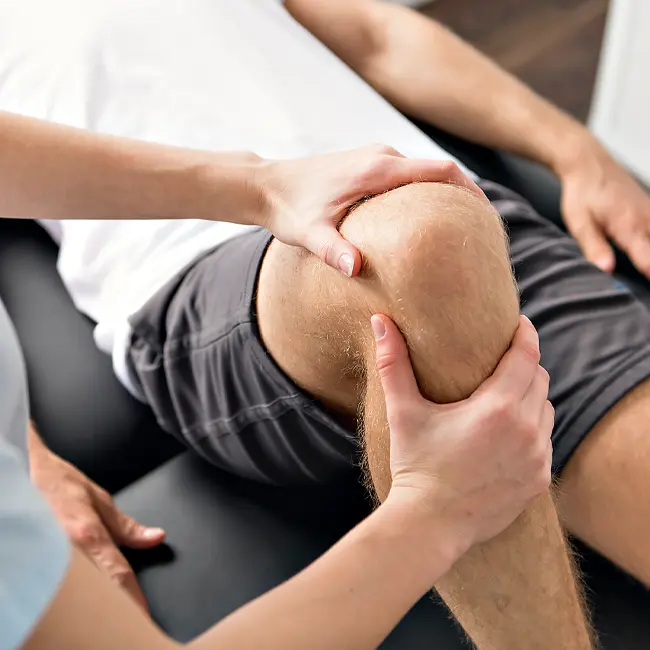
The Departments of Rehabilitation Medicine at NewYork-Presbyterian Hospital are among the leading programs in the United States in clinical care and research. We provide patients who have suffered illness or injury with specialized rehabilitative therapy to help them regain function and return to everyday life. Such therapy is highly individualized to each patient's condition and, therefore, is based on a thorough evaluation and periodic re-evaluation. Our approach focuses not only on the patient's physical needs but also on the emotional challenges of learning to cope with the rehabilitation process and changed abilities.
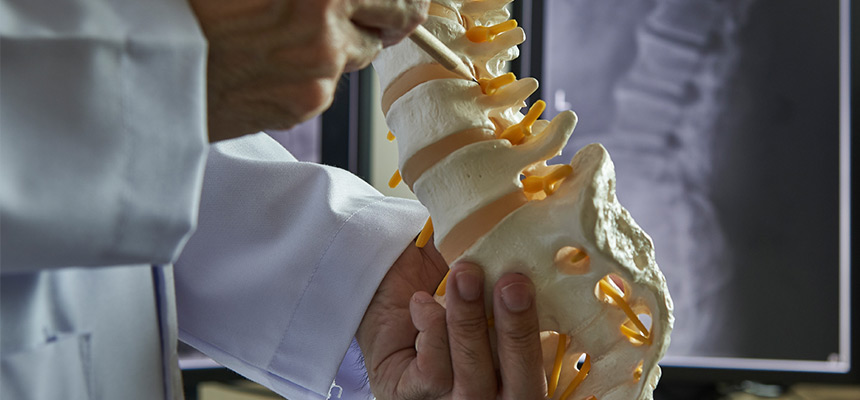
The Departments of Rehabilitation Medicine specialize in the non-surgical management of musculoskeletal and neurologic disorders and are recognized as one of the nation's leaders in lumbar spine care. We treat patients with a range of disorders and diseases, including neurological conditions such as stroke and movement disorders, back and shoulder conditions, sports injuries, carpal tunnel syndrome, neck pain, and cancer rehabilitation.
Our multi-disciplinary teams of rehabilitation specialists coordinate diagnostic testing and the prescription of treatments and devices for each patient. For both in- and outpatients, the most significant time may be spent with physical and occupational therapists who help them learn how to regain their individual lifestyle. Depending on each patient's needs, this team may also include: physiatrists; rehabilitation nurses; physical, occupational and recreational therapists; speech and language pathologists; orthotists and prosthetists; and social workers. In addition, we offer a wide range of complementary medicine techniques, including acupuncture, hypnosis, and biofeedback.