

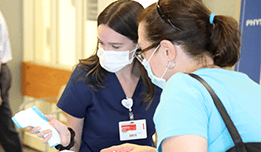

STAY AMAZING
Find a Doctor
450+ Locations in NYC & Westchester
With over 450 locations throughout Manhattan, Queens, Brooklyn, Westchester, and Putnam Counties, you can access amazing care close to where you live or work.
Virtual Care From the Comfort of Your Couch
Our suite of telehealth services lets us bring you expert care beyond the hospital walls, giving you easy access to expert doctors from Columbia University and Weill Cornell Medicine. Using the latest digital technologies and innovations, we’re more committed than ever to providing all of our patients with amazing care.

450+
Locations in NYC and the Westchester Area
Doctors from Columbia and Weill Cornell
The only hospital affiliated with two Ivy League medical schools
National Recognition for Excellence in Nursing from the ANCC

Our Services

Health Library
Get Answers to Your Medical Questions
Featured Topics
Featured Stories

Health Matters 10 Min Read
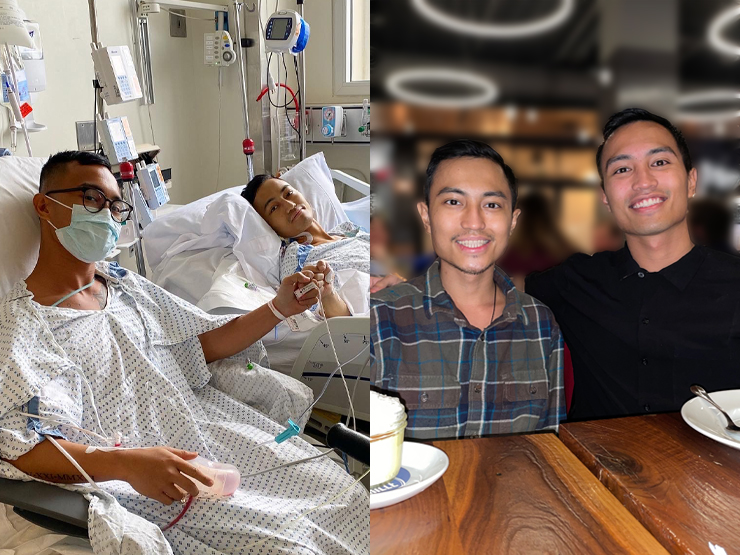
Unbreakable Bond: A Twin Donates a Part of His Liver to His Brother




World-class doctors from World-Class Institutions
Whatever your medical needs, we’ve got you covered with world-class doctors from Columbia University and Weill Cornell Medicine. With our newly expanded services, you’ll have more access to extraordinary care – from every day care to access to top specialists in every field, all designed to fit your needs.