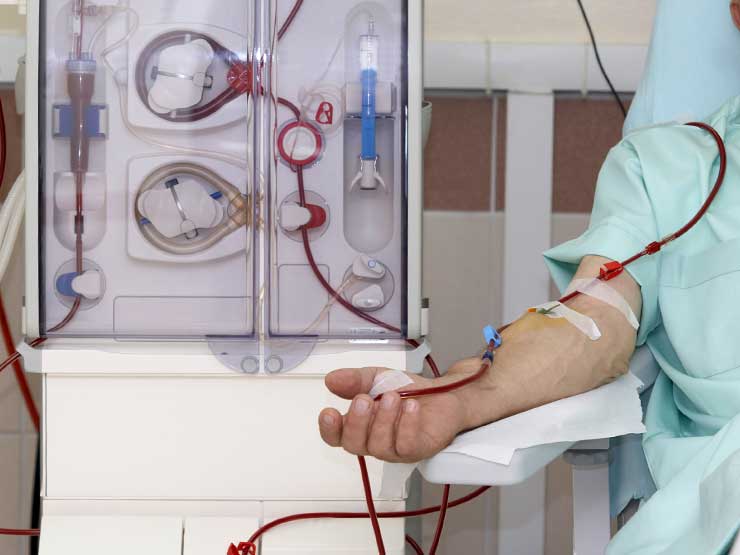
Illustration of Thoracoscopic Sympathectomy for Hyperhidrosis


Thoracoscopic Sympathectomy for Hyperhidrosis
Primary palmar hyperhydrosis is a pathological condition of overperspiration caused by excessive secretion of the sweat glands, the etiology of which is unknown. This disorder affects a small but significant proportion of the young population all over the world. Hyperhidrosis is often a debilitating condition in which patients suffer from the social stigmata associated with excessive hand and underarm sweating. The cause of the sweating is believed to be over stimulation of the sympathetic nerve which supplies the offending sweat glands. Patients will often be advised that little can be done for the condition that they must endure. However, a minimally invasive thoracoscopic approach allows for division of the nerves and relief from this disorder.

Surgical sympathectomy is the gold standard of treatment for this disease, by which all other treatments must be judged. Upper thoracic sympathectomy has been performed for many years as therapy for hyperhydrosis and several other diseases. There are various surgical approaches available. Prior to the advent of endoscopic transthoracic sympathectomy (ETS), these approaches involved either painful back or neck incisions with possible risk of brachial plexus, or phrenic nerve injury, or Horners syndrome. The introduction of ETS for excessive hand and facial sweating has revolutionized the treatment of this disease. The success rate is in excess of 98%, with very few side effects or serious complications.

We perform bilateral sympathectomies under general anesthesia. A 5-mm. endoscope is used to identify the second through fourth ganglia. The branches to the main sympathetic chain at each level are identified and divided, then the main chain is removed. After completing one side, the opposite side is done. We feel that division of these branches is critical to preventing recurrent symptoms years later. We have performed over 100 procedures in the past two years with excellent results. All patients have had complete relief of palmar hyperhydrosis, and, for most, additional relief of plantar hyperhydrosis. There were no cases of Horners syndrome. The most common side effect, compensatory truncal sweating, occurred in about 50% of patients. Several patients had a small pneumothorax postoperatively, but none required any intervention, and all patients left the hospital within 24 hours.

Endoscopic sympathectomy is a highly-effective treatment for patients with palmar or facial hyperhydrosis. ETS allows simultaneous treatment of both sides with a very low risk of complications. Attention to surgical detail is important to achieve excellent long-term results. We continue to lead the New York metropolitan area in minimally invasive thoracoscopic procedures, and especially ETS.

 
Video interview of Dr. Lyall Gorenstein on laparoscopic thoracic surgery
Video of Thoracoscopic Sympathectomy for Hyperhidrosis
FAQ for Laparoscopic Thoracic Surgery